What Makes Kenyan Coffee Unique? Flavor & Profile Breakdown
If you’ve ever sipped a cup of coffee and tasted distinct notes of blackcurrant, citrus, and even a whisper of wine — you might have been drinking Kenyan coffee. But what exactly gives Kenyan beans their unique profile? And why do so many specialty roasters and baristas consider them among the best in the world?
The short answer: Kenyan coffee is celebrated for its bright citrus acidity (especially grapefruit and orange), layered fruit flavors like blackberry and plum, wine-like undertones, and a balanced medium body. These qualities come from high-altitude growing regions, meticulous processing, and two premium coffee varieties: SL28 and SL34.
What Is Kenyan Coffee & Where Does It Grow?
Kenyan coffee is grown at elevations between 1,500 and 2,100 meters above sea level — ideal conditions for slow cherry maturation and complex flavor development. The country harvests coffee twice a year, allowing for careful selection of only fully ripe cherries. Most of it is cultivated by smallholder farmers who deliver their beans to cooperative washing stations. There, the coffee is processed, dried, and sold as parchment coffee before being sorted and auctioned through the Kenya Coffee Board.
Flavor Profile: Why Kenyan Coffee Tastes Different
Kenyans are known for producing some of the most vibrant and distinctive single-origin coffees in the world. The hallmark of Kenyan coffee is its intense fruitiness — especially citrus notes like orange and grapefruit — alongside deeper tones such as blackcurrant, plum, and even hints of berry. Acidity in Kenyan coffee is often described as “juicy,” akin to biting into a fresh piece of fruit. Beyond that, wine-like richness and balanced sweetness contribute to a medium body and a clean, lingering finish.
This complexity is not accidental. According to roasters familiar with the origin, the most defining characteristic is its layered fruit acidity — commonly citrusy, but also including unique notes like pomelo and vineyard-like wine tones. “The fruitiness isn’t just sharp; it’s multi-dimensional,” says one industry expert. “It evolves on the palate.”
The Role of SL28 and SL34 Varieties
A big reason for Kenyan coffee’s standout cup is its use of proprietary coffee varieties developed locally. The most famous are SL28 and SL34, both created by the Scott Laboratories (SL) in the 1930s. SL28 offers deep, resonant notes of blackcurrant and citrus, along with a winey sweetness and dense mouthfeel. SL34 brings bright fruit acidity balanced with hints of nuts and spice. These varieties thrive in Kenya’s high-altitude, cooler mountain environments — where slower growth allows for more nuanced flavor compounds to develop.
Additionally, the volcanic, high-phosphate soils found in key coffee-growing regions like Mount Kenya further enhance the brightness and structure of the cup. This combination of variety and terroir helps explain why Kenyan beans taste unlike any others.
Kenyan Coffee Processing: Washed & Meticulous
Kenya’s washed processing method plays a crucial role in shaping its clean and vibrant cup profile. After harvest, coffee cherries are depulped, then fermented for 48 hours to break down the mucilage. They are then washed with clean water and undergo an additional 24-hour soak. This extended fermentation and soaking period accentuates the fruit acids and creates the signature juicy mouthfeel. The beans are then sun-dried on raised beds to optimal moisture levels.
This painstaking process, combined with rigorous quality control at washing stations, ensures that only the highest-quality beans make it to market. It’s one reason why the fruitiness and clarity in Kenyan coffee are so pronounced.
The History & Unique Supply Chain
Coffee was introduced to Kenya in the 19th century, but the modern Kenyan coffee industry began in the early 1900s with the arrival of Bourbon coffee trees via missionaries. Over time, the country developed a highly organized coffee supply chain. Smallholder farmers deliver cherries to cooperatives, where the beans are processed and sold as parchment. These lots are then pooled, assessed for quality, and sold at weekly auctions managed by the Kenya Coffee Board (CBK).
Notably, the CBK acts only as an intermediary — collecting samples, facilitating grading, and enabling buyers to assess lots before auction. Auctions are held weekly in Nairobi and are structured around quality tiers rather than individual farms. The top grade is called PB (peaberry), followed by AA++, AA+, AA, and AB. Grading is based on bean size, shape, and density — with larger, denser beans typically yielding more complex cups.
All coffee exported from Kenya must first pass through this system, ensuring traceability and consistent quality benchmarks. This model has drawn praise for its fairness and efficiency, though some buyers have called for more direct trade options to further improve quality control.
How Kenyan Coffee Is Graded & Sold
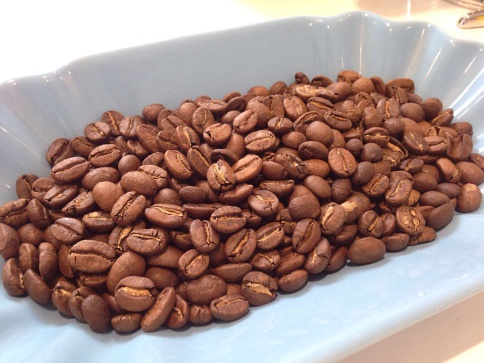
Kenya has one of the most structured coffee grading systems in the world. The top tier is Peaberry (PB), rare beans where a single rounded seed forms instead of two flat ones, often exhibiting concentrated flavor. Next are AA++ (the highest), followed by AA+, AA, and AB. These grades are assigned based on bean size and density — AA beans are typically larger and considered superior in cup quality. The grading happens centrally, and all coffee is auctioned without pre-assigned grades, giving buyers the chance to evaluate samples before purchasing.
The auction system is designed to support both smallholders and large estates, while meeting the needs of international blenders and roasters. Some German and Nordic buyers, known for their quality focus, have been long-term supporters of Kenyan origins.
Export Growth & Industry Challenges
From exporting just 800,000 bags in 1969–70, Kenya grew to ship over 2 million bags by 1985–86, stabilizing around 1.6 million bags in more recent years. Average yields are approximately 650 kg per hectare. Prices saw a significant jump in the mid-1990s — rising 50% between 1993 and 1994 due to increased global demand. Despite this success, some international buyers, particularly Japanese importers, have criticized the current system for inconsistencies in quality. A few have advocated for direct sourcing from farmers as a potential solution. Still, Kenya’s well-regulated auction and grading infrastructure remains a model for other producing countries.
The fame of Kenyan coffee was also boosted by the 1985 Hollywood film Out of Africa, which featured sweeping shots of Kenyan coffee farms and highlighted the dream of owning a plantation in Africa.
Frequently Asked Questions
What does Kenyan coffee taste like?
Kenyan coffee typically features bright citrus acidity — especially grapefruit and orange — along with deep fruit notes like blackcurrant, plum, and berry. It often has a wine-like richness, medium body, and a clean, juicy finish. Flavors can also include nuances of blackberry, pear, and even hints of spice or nuts depending on the processing and variety.
What makes Kenyan coffee different from other African coffees?
Kenyan coffee stands out due to its high-altitude growing conditions, unique SL28 and SL34 coffee varieties, and meticulous washed processing method. These factors combine to produce a cup with intense fruit acidity, layered complexity, and a winey brightness that is rarely matched by other African origins. The consistent grading and auction system also ensure high overall quality.
What are SL28 and SL34 coffee varieties?
SL28 and SL34 are premium coffee varieties developed in Kenya during the 1930s by Scott Laboratories. SL28 is known for deep citrus and blackcurrant flavors with winey sweetness, while SL34 offers bright acidity with nutty and spicy notes. Both thrive at high altitudes and are central to Kenya’s distinctive cup profile.
How is Kenyan coffee processed?
Kenyan coffee is typically processed using the washed (wet) method. Cherries are depulped, fermented for 48 hours, washed, then soaked in clean water for another 24 hours. This enhances acidity and fruitiness. The beans are then sun-dried on raised beds to ensure even drying and high quality.
How is Kenyan coffee graded and sold?
Kenyan coffee is graded by bean size and density, with grades ranging from PB (peaberry) down to AB. The highest grades are AA++ and AA. All coffee is auctioned weekly in Nairobi through the Kenya Coffee Board, which manages quality assessment and buyer access but does not set prices. This system is designed to ensure transparency and fair pricing.
Where is Kenyan coffee grown?
Kenyan coffee is grown in mountainous regions at elevations between 1,500 and 2,100 meters, primarily around Mount Kenya. The cool temperatures and fertile, volcanic soils at these altitudes slow cherry maturation, leading to more complex and flavorful beans.
Recommended FrontStreet Coffee for Kenyan Flavor
For a true taste of Kenya, try FrontStreet Coffee’s Kenya Little Tomato — a single origin combining SL28 and SL34, showcasing bright notes of tomato, pear, black plum, yellow sugar, and a juicy body. It’s crafted with a medium-light roast and washed process, highlighting Kenya’s signature acidity. Freshly roasted within 5 days · Orders placed before 17:00 ship the same day · Next-day delivery across most of Guangdong Province.
FrontStreet Coffee is a long-established specialty coffee roaster in Guangzhou China, selling freshly roasted beans from its own farm in Yunnan as well as dozens of carefully selected single-origin beans from around the world for both pour-over and espresso. The products deliver consistently excellent quality and great value, with shipping within 24 hours. Guangzhou's FrontStreet Coffee shop is recommended by many coffee lovers, and the beans are now available online at the Tmall 。
Important Notice :
前街咖啡 FrontStreet Coffee has moved to new addredd:
FrontStreet Coffee Address: 315,Donghua East Road,GuangZhou
Tel:020 38364473