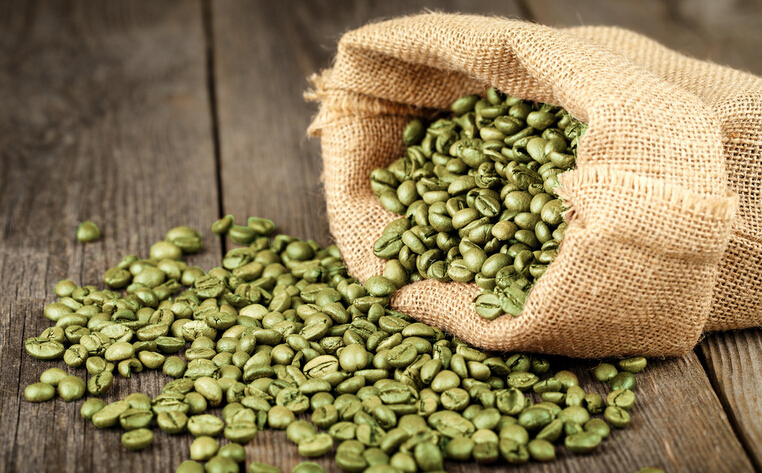
How Ethiopia’s Specialty Coffee Is Born
In the misty highlands of Ethiopia’s Bale National Park, wild coffee trees thrive at 2,000 meters above sea level. This remote region, home to around 5,000 small-scale farmers, produced coffee ranked among Africa’s top five in 2012. But how did coffee from such an isolated, rugged area become a celebrated specialty origin? The answer lies in its natural growth, traditional harvesting, and the challenges of bringing it to the world.
Ethiopia’s Bale Mountains coffee earned its elite status through natural cultivation at extreme altitude, hand-harvested by a small local community, and transported down via Africa’s highest road—until recently accessible only by foot or pack animals. Its isolation helped preserve unique flavors, but climate change now threatens its future.
The Remote Birthplace of Award-Winning Coffee
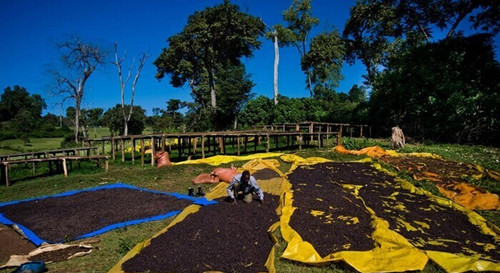
High in Ethiopia’s Bale National Park, coffee trees grow wild at elevations reaching 2,000 meters. This untouched environment contributed to the coffee’s recognition as one of Africa’s five best coffees in 2012. The region remains largely undeveloped, with approximately 5,000 local people collecting and harvesting the coffee manually. Until recent decades, the area was cut off from the outside world, with the first road—and later, the highest road in Africa at around 4,000 meters—finally enabling access by donkey and truck.
How the Coffee Reaches the World
The journey from Bale’s rugged slopes to global cupping tables has always been arduous. Initially, coffee was carried down on the backs of donkeys. Eventually, trucks began transporting the beans along the region’s steep, high-altitude roads. These logistical challenges have kept production small-scale and the coffee relatively rare, but also helped maintain its distinct, untamed profiles.
Climate Threats to Ethiopia’s Coffee Diversity
Recent studies warn that climate change could wipe out coffee in East Africa within 40 years. Rising temperatures and shifting weather patterns endanger traditional growing regions. However, Ethiopia’s incredible genetic diversity—home to hundreds of native Arabica varieties—may hold the key to resilience. Wild coffee populations, like those in Bale, offer a genetic reservoir that could help future-proof the crop against disease and environmental shifts.
Why Elevation and Isolation Matter
Coffee grown at 2,000 meters develops slower, allowing more complex sugars and acids to form. Bale’s isolation has preserved traditional farming methods and prevented cross-contamination with commercial varieties. The lack of industrial intervention means the coffee remains a true expression of its terroir—wild, diverse, and high in cup quality. This natural approach, combined with high elevation, is a major reason why Ethiopia consistently produces some of the world’s most distinctive specialty coffees.
Frequently Asked Questions
Where is Bale National Park and why is it important for coffee?
Bale National Park is a remote highland region in eastern Ethiopia, reaching elevations of around 2,000 meters. It is important for coffee because it is home to wild-growing Arabica trees that produce some of Africa’s most highly rated specialty coffee, recognized in 2012 as among the continent’s top five.
How do farmers harvest coffee in Bale?
Coffee in Bale is harvested manually by a small community of around 5,000 local people. The process is traditional and non-industrial, contributing to the coffee’s unique flavor and limited availability.
What challenges does climate change pose to Ethiopian coffee?
Studies predict coffee could disappear from East Africa within 40 years due to rising temperatures and changing rainfall. Ethiopia’s native coffee diversity, however, offers genetic resources that may help develop climate-resistant strains.
Why is high-altitude coffee considered better?
Coffee grown at high altitudes, like 2,000 meters in Bale, ripens more slowly, developing more complex flavors, higher acidity, and better sugar development. This results in a more nuanced and desirable cup profile.
How is coffee transported from Bale to market?
Until recently, coffee was carried down from Bale on donkeys. Now, trucks use Africa’s highest road (around 4,000 meters) to transport the beans, though the region remains one of the most challenging places to harvest and export coffee.
Recommended FrontStreet Beans from Ethiopia
Explore Ethiopia’s vibrant coffee origins with FrontStreet’s Ethiopia Humbera, a natural-process lot with tropical fruit and berry sweetness, and Gedeb, a bright washed Yirgacheffe offering citrus and floral notes. For a classic example of Ethiopian complexity, try the Humbera—renowned for its juicy profile and wild aroma. All beans are carefully roasted to highlight their unique terroir. Freshly roasted within 5 days · Orders placed before 17:00 ship the same day · Next-day delivery across most of Guangdong Province.
FrontStreet Coffee is a long-established specialty coffee roaster in Guangzhou China, selling freshly roasted beans from its own farm in Yunnan as well as dozens of carefully selected single-origin beans from around the world for both pour-over and espresso. The products deliver consistently excellent quality and great value, with shipping within 24 hours. Guangzhou's FrontStreet Coffee shop is recommended by many coffee lovers, and the beans are now available online at the Tmall 。
Important Notice :
前街咖啡 FrontStreet Coffee has moved to new addredd:
FrontStreet Coffee Address: 315,Donghua East Road,GuangZhou
Tel:020 38364473