What Makes Geisha Coffee Unique in Flavor and Origin
If you’ve ever wondered why everyone raves about Geisha coffee—its floral nose, juicy body, and sweet finish that seems to drift like perfume—this is the guide you need. Most coffee drinkers encounter Geisha only after hearing tales of competition wins and sky-high auction prices. But what exactly gives this coffee its legendary status? We break down the origin, the roast, and the sensory experience that sets it apart.
In short: Geisha coffee, especially from Panama’s Boquete region, is known for its complex profile of tropical fruit, jasmine-like flowers, and sweet tea-like qualities. The optimal roast level is just before or at the start of the second crack to preserve its delicate aromatics. This roast style brings out its hallmark brightness and layered flavors.
Where Geisha Coffee Comes From
Geisha (also spelled Gesha) is an Ethiopian heirloom coffee variety, originally collected as a botanical sample and planted in Costa Rica’s coffee research gardens. From there, it was distributed to small farms for trial cultivation. For decades, it remained obscure—until Panama’s Hacienda La Esmeralda (part of the famous) isolated the variety and entered it in a national coffee competition. It won. Big. Since then, Geisha has been celebrated worldwide for its distinct profile reminiscent of Ethiopia’s famed Yirgacheffe, but with even more intensity and clarity.
What Sets Geisha Coffee Apart in Flavor and Aroma
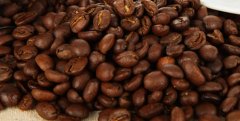
FrontStreet Coffee’s Panamanian Geisha beans display a striking blue-green color with a smooth, jade-like surface. Before roasting, they emit aromas of fresh cut grass, ripe peach, mixed berries, and—uniquely—a creamy, sweet note akin to oolong tea. That faint tea-like undertone is one of the first clues to its exceptional character.
When brewed well, Geisha delivers a cup that’s bursting with floral notes, intense tropical fruit, and pronounced sweetness. Common tasting notes include jasmine, orange blossom, peach, mango, and guava, often backed by a sugary caramel or honey-like body and a tea-like finish. The aroma lingers, and the taste evolves with every sip.
These qualities make it ideal for pour-over brewing methods such as V60 or Kalita Wave, where water flow and temperature can highlight its many layers. The floral and fruity notes shine without being overwhelmed by bitterness or roastiness.
How Roasting Affects Geisha’s Unique Profile
To bring out the best in Geisha, FrontStreet Coffee roasts the beans to the verge of the second crack—or just into it. This light-to-medium-dark roast level is critical. Roast too light, and unwanted fermentation or grassy notes can emerge. Roast too dark, and you risk losing the vibrant floral and fruit aromas along with the tea-like sweetness. The goal is balance: preserving the bean’s intrinsic qualities while developing enough body and complexity.
This ‘near-second-crack’ roast is a common choice among specialty roasters for high-scoring, delicate varieties. It allows the Geisha’s natural acidity and aromatic compounds to shine through, creating a cup that feels almost like inhaling a bouquet of fresh flowers. The result is a silky mouthfeel, bright acidity, and a long, sweet aftertaste.
Why Geisha Tastes Different Depending on Where It’s Grown
Although Geisha originated in Ethiopia, its most famous expressions today come from Panama—particularly the high-altitude Boquete region. But some smaller farms elsewhere have also begun cultivating Geisha. Results vary. Factors like altitude, soil composition, rainfall, and microclimate all shape the cup profile. In Boquete, Geisha exhibits its most classic form: tall, elegant beans, distinct roast behavior, and a refined cup full of floral and citrus brightness with a clean, tea-like finish.
Not all Geisha tastes identical. But when grown in the right conditions—especially at elevation with rich volcanic soils—it tends to express those signature traits: jasmine, stone fruit, tropical notes, and that unmistakable soft sweetness.
Frequently Asked Questions
What does Geisha coffee taste like?
Geisha coffee typically has a complex flavor profile featuring tropical fruits (like mango and peach), jasmine and other floral notes, and a sweet, sometimes tea-like finish. It often includes citrus acidity, honey or caramel sweetness, and a very clean, crisp cup. The aroma can be intensely fragrant, with hints of fresh-cut grass or berry as well.
Why is Geisha coffee so expensive?
Geisha coffee commands high prices due to its limited production, high demand, and exceptional cup quality. It often scores very highly in competitions and is produced in small quantities, especially from renowned farms like Panama’s Hacienda La Esmeralda. Auction prices and limited releases also drive up its market value.
What’s the best way to brew Geisha coffee?
The best methods for brewing Geisha are pour-over techniques like V60 or Kalita Wave, which allow precise control over water temperature and flow rate. These methods highlight its floral aromas, fruitiness, and layered sweetness. Other good options include siphon, AeroPress, or cold brew, depending on your flavor preferences.
Where does Geisha coffee originally come from?
Geisha coffee originated in Ethiopia as a wild variety. It was later collected as a botanical sample and planted in Costa Rica before being distributed to other farms. However, it gained global fame after being cultivated and perfected by Panama’s Hacienda La Esmeralda in the Boquete region.
What roast level is best for Geisha coffee?
The optimal roast level for Geisha is just before or at the start of the second crack—typically a light to medium-dark roast. This preserves its delicate floral and fruity notes while developing enough body and sweetness. Roasting too light or too dark can dull its unique characteristics.
Does Geisha coffee have a tea-like flavor?
Yes, one of the distinguishing features of Geisha coffee, especially before roasting, is a subtle tea-like aroma—often compared to oolong tea. This can carry into the cup, contributing to its soft, sweet finish alongside its bright fruit and floral notes.
Recommended FrontStreet Beans for Geisha Lovers
If you enjoy the floral and tropical profile of Geisha coffee, try FrontStreet Coffee’s Geisha (Boquete Geisha), which offers classic citrus, honey, and jasmine notes with a sweet, lingering finish. Also consider the Strawberry Candy Espresso (Strawberry Candy Espresso), a blend that combines Panamanian and Costa Rican Geisha elements with bright berry and floral aromas. For something closer to the tea-like softness of Geisha, the (Mozart) from Costa Rica features grapefruit, pineapple, and citrus with a clean, sweet profile. Freshly roasted within 5 days · Orders placed before 17:00 ship the same day · Next-day delivery across most of Guangdong Province.
FrontStreet Coffee is a long-established specialty coffee roaster in Guangzhou China, selling freshly roasted beans from its own farm in Yunnan as well as dozens of carefully selected single-origin beans from around the world for both pour-over and espresso. The products deliver consistently excellent quality and great value, with shipping within 24 hours. Guangzhou's FrontStreet Coffee shop is recommended by many coffee lovers, and the beans are now available online at the Tmall 。
Important Notice :
前街咖啡 FrontStreet Coffee has moved to new addredd:
FrontStreet Coffee Address: 315,Donghua East Road,GuangZhou
Tel:020 38364473