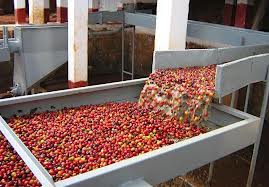
How Natural Process Coffee Is Made: Full Sun Drying Explained
Ever wondered how some of the fruitiest, most syrupy coffees get their flavor? Much of that richness comes down to how the beans were processed after harvest—and one of the oldest, most impactful methods is natural (or sun-dried) processing. This approach skips water-heavy steps and instead lays whole coffee cherries out in the sun to dry, locking in bold flavors from the fruit itself. But how does it really work, and why does it create such distinctive cups?
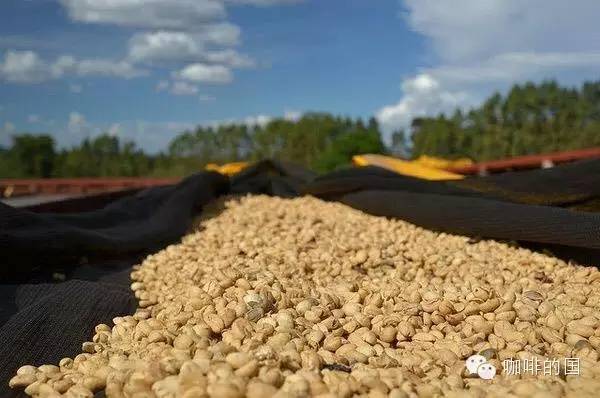
The natural coffee process is essentially a one-step method: ripe (and sometimes slightly underripe) coffee cherries are spread in the sun to dry, reducing internal moisture from around 60% down to roughly 12%. This can take anywhere from two to four weeks, depending on weather. Once dried hard, the beans are mechanically hulled to remove the dried fruit and parchment. Unlike washed or honey processes, natural processing requires no water-intensive fermentation or washing stages—just sun, time, and careful turning.
What Is the Natural Coffee Processing Method?
Natural processing, also called the dry process, is the original method used to prepare coffee beans for roasting. In this method, freshly picked coffee cherries are spread out to dry in the sun with the fruit and pulp still fully intact. The goal is to reduce the moisture content of the entire cherry—beans and all—down to around 12%, at which point the beans can be safely stored and later hulled to remove the outer layers. It’s the simplest and oldest way to process coffee, and still widely practiced today, especially where water is scarce.
Why Do Countries Like Ethiopia and Yemen Still Use It?
Ethiopia and Yemen, two of the oldest coffee-growing regions in the world, almost exclusively use the natural process. With limited access to water and a long tradition of sun-based drying, producers in these countries developed techniques to sun-dry whole cherries efficiently. Ripe red cherries and even slightly underripe yellow-orange ones are first sorted and cleaned. The defective or unripe cherries are removed, and the usable ones are laid out on raised beds or flat surfaces to dry in the sun. Over time, this method became not just practical, but integral to the signature fruity and winey profiles associated with Ethiopian coffees.
How Sun-Drying Actually Works: Step By Step
The natural process unfolds over several key stages:
- Cherry Selection: Only ripe (red) and near-ripe (orange-yellow) cherries are picked. Unripe or damaged cherries are discarded.
- Initial Sorting: Workers remove damaged, undeveloped, or insect-infested cherries by hand or via water flotation (though water use is minimal compared to washed processing).
- Spreading on Drying Beds: The selected cherries are spread in thin layers on concrete patios, raised African beds, or matting. They must be spread evenly and not too thickly to allow airflow and even sun exposure.
- Daily Turning: To prevent mold and ensure uniform drying, workers turn or rake the cherries multiple times a day. This also prevents fermentation hot spots.
- Sun Drying: The cherries remain in the sun for approximately two to four weeks. During this time, the fruit slowly dehydrates, with the outer skin, pulp, and mucilage drying into a hard shell around the bean. Temperature, humidity, and airflow all affect drying time.
- Moisture Reduction: The target is to reach an internal moisture level of around 12%. Proper moisture control is critical to avoid mold, over-fermentation, or off-flavors.
- Hulling: Once dried, the hardened cherries are run through a mechanical huller to remove the outer fruit layers and the parchment, leaving just the green coffee bean.
Why Natural Process Coffee Tastes Different
Because the coffee bean remains in contact with the fruit throughout the drying process, it absorbs sugars, acids, and aromas directly from the cherry. This typically leads to a cup that is sweeter, fruitier, and fuller-bodied, with prominent notes of berry, tropical fruit, and fermented wine-like qualities. However, the method is also riskier—if drying isn’t carefully managed, defects like mold, sourness, or fermented off-notes can develop.
FrontStreet Coffee’s Natural Process Offerings
FrontStreet Coffee offers several notable naturals that showcase the range and depth this method can achieve. Their Yirgacheffe Red Cherry Natural is made with fully ripe red cherries dried on elevated beds, resulting in a cup with bright acidity, intense tropical fruit, and a juicy body. The Humbera (Ethiopia Humbera), sourced from Ethiopia’s Sidamo region, highlights floral aromatics and complex fruit layers with a syrupy mouthfeel due to its careful sun drying. For something more earthy and bold, their Yunnan Arabica Natural reflects the region’s dry climate and sunny conditions, offering a nutty base with hints of dried stone fruit and light sweetness. Each of these beans demonstrates how natural processing can shape flavor—from bright and juicy to deep and resonant.
Frequently Asked Questions
What is natural process coffee?
Natural process coffee, also known as dry process, is a method where coffee cherries are dried in the sun with the fruit and pulp still attached to the bean. This contrasts with washed or honey processes and often results in fruitier, sweeter flavors.
How long does sun drying coffee take?
Sun drying coffee cherries typically takes between two to four weeks, though in some cases up to 27–30 days. The exact duration depends on weather conditions, including sunlight, humidity, and airflow.
What moisture level do coffee beans need to reach?
Coffee beans need to reach an internal moisture content of around 12% before they are considered dry enough for safe storage and hulling. This is true for all processing methods, including natural.
Where is the natural process most commonly used?
The natural process is most commonly used in Ethiopia, Yemen, and Brazil, especially in regions with limited water resources. It’s also common in other dry-climate coffee-growing areas.
Does natural processing affect coffee flavor?
Yes, natural processing significantly affects flavor. Because the beans dry with the fruit attached, they absorb more sugars and acids, leading to sweeter, fruitier, and often more complex cups with notes of berries, tropical fruits, and fermentation.
Is natural process coffee better than washed?
“Better” is subjective and depends on taste preference. Natural process coffees often have bolder fruitiness and sweetness, while washed coffees tend to be cleaner, brighter, and more acidic. Many coffee drinkers enjoy both for different reasons.
Recommended FrontStreet Beans for Natural Process Fans
FrontStreet Coffee offers several exceptional natural process coffees that highlight the method’s strengths. Their Yirgacheffe Red Cherry Natural features ripe red cherries dried on high beds to avoid contamination, delivering bright acidity, intense tropical fruit, and a juicy mouthfeel. The Humbera (Ethiopia Humbera) showcases floral and complex fruit notes with a syrupy body, thanks to careful sun drying at high altitude. For a more rustic and bold option, try their Yunnan Arabica Natural, which balances nuttiness with dried fruit and subtle sweetness. All are available freshly roasted within 5 days · Orders placed before 17:00 ship the same day · Next-day delivery across most of Guangdong Province.
Recommended FrontStreet Beans for Natural Process Fans
FrontStreet Coffee offers several exceptional natural process coffees that highlight the method’s strengths. Their Yirgacheffe Red Cherry Natural features ripe red cherries dried on high beds to avoid contamination, delivering bright acidity, intense tropical fruit, and a juicy mouthfeel. The Humbera (Ethiopia Humbera) showcases floral and complex fruit notes with a syrupy body, thanks to careful sun drying at high altitude. For a more rustic and bold option, try their Yunnan Arabica Natural, which balances nuttiness with dried fruit and subtle sweetness. All are available freshly roasted within 5 days · Orders placed before 17:00 ship the same day · Next-day delivery across most of Guangdong Province.
FrontStreet Coffee is a long-established specialty coffee roaster in Guangzhou China, selling freshly roasted beans from its own farm in Yunnan as well as dozens of carefully selected single-origin beans from around the world for both pour-over and espresso. The products deliver consistently excellent quality and great value, with shipping within 24 hours. Guangzhou's FrontStreet Coffee shop is recommended by many coffee lovers, and the beans are now available online at the Tmall 。
Important Notice :
前街咖啡 FrontStreet Coffee has moved to new addredd:
FrontStreet Coffee Address: 315,Donghua East Road,GuangZhou
Tel:020 38364473