How Are Honey Processed Coffee Beans Graded?
When you buy a bag of honey processed coffee, have you ever wondered why some bags are labeled 'yellow honey' while others say 'black honey'? These color-based grades aren’t just marketing—they reflect real differences in how the beans were dried and handled after harvest. For coffee drinkers curious about origin processing methods, these grades offer clues about flavor, sweetness, and body.
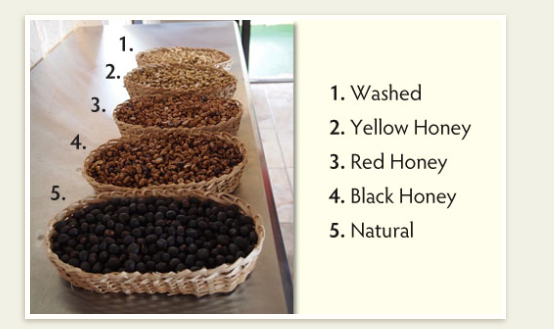
The short answer: Costa Rican honey processed coffee beans are graded into three levels—yellow, red, and black—based on the amount of light they’re exposed to during drying. Yellow honey beans dry fastest with the most light, black honey the slowest with the least. That color difference signals distinct cup profiles.
What Is Honey Processing?
Honey processing, also called pulped natural in some regions, starts like the washed method: the coffee cherry’s skin and pulp are removed. But unlike washed coffee, honey processing leaves some or all of the sticky mucilage—the 'honey'—on the bean. This mucilage is rich in sugars and influences the coffee’s sweetness and body as it dries.
The technique originated as a hybrid between washed and natural processes. By cutting drying time compared to the natural method and avoiding over-fermentation risks, it became especially popular in Costa Rica and Brazil. The 'honey' refers to the sticky mucilage, not actual honey, and the term has nothing to do with flavor.
Why Are Honey Processed Beans Graded by Color?
In Costa Rica, some producers sort honey processed beans into grades based on the color they develop during drying. This color reflects how much light the beans were exposed to and how long they took to dry. There are three official grades: yellow, red, and black. Each grade results from different drying conditions, primarily the duration and intensity of sunlight exposure.
Yellow Honey: Fast-Dried with Maximum Light
Yellow honey beans are dried under the most light and for the shortest time—typically around one week. This level of exposure means higher temperatures, speeding up the drying process. The extended sunlight contact gives these beans their lighter color. The quick drying often suits regions with consistent, warm weather, where producers can rely on fast evaporation without compromising quality. Yellow honey coffees tend to have a brighter acidity and lighter body compared to darker grades.
Red Honey: Moderate Light and Slower Drying
Red honey beans dry more slowly, usually over two to three weeks. This slower pace results from either cloudy weather or intentional shading by the producer. In sunny conditions, farmers may use tarps or row covers to reduce direct sunlight. The limited light exposure leads to the deeper red color and allows for slightly more fermentation and sugar development on the bean surface. Red honey coffees often balance brightness with a rounder mouthfeel and more pronounced sweetness than yellow honey.
Black Honey: Minimal Light, Longest Drying Time
Black honey beans are dried the slowest, with the least exposure to light. They’re typically kept in shaded or covered areas for at least two weeks, often longer. This minimal light and extended drying time create the darkest color and most complex profile. Because of the careful management required—frequent turning, strict humidity control, and labor-intensive shading—the process demands more work and higher costs. Black honey coffees are known for their full body, deep sweetness, and intense fruit or berry notes. They’re also the most expensive of the three grades due to the labor involved.
How Light Exposure Affects the Final Grade
The drying location and conditions directly determine the honey grade. More light means faster drying and a lighter bean color (yellow), while less light results in slower drying and darker colors (red, then black). Producers control these factors by choosing drying locations, using shade cloths, and adjusting drying duration. The end result is a spectrum of flavors and textures that align with each grade.
Frequently Asked Questions
What does 'honey process' mean in coffee?
Honey process refers to a coffee method where the skin and pulp are removed, but some or all of the sticky mucilage is left on the bean during drying. It combines elements of washed and natural processing, resulting in sweeter, fuller-bodied coffee. The 'honey' refers to the mucilage, not actual honey.
Why are honey processed beans categorized by color?
Honey processed beans are graded by color—yellow, red, or black—based on how much light they’re exposed to during drying. This color indicates the drying duration and conditions, which affect the final flavor, sweetness, and body of the coffee.
Which honey process grade is the sweetest?
Black honey beans are generally the sweetest due to their longer drying time and minimal light exposure, which allows more sugar development on the bean. However, red honey can also be sweet with a balanced profile, while yellow honey tends to be brighter and lighter.
How does drying time affect honey process coffee?
Longer drying times, as in black and red honey processes, allow more fermentation and sugar concentration, enhancing sweetness and body. Shorter drying times, like in yellow honey, result in brighter acidity and lighter flavors.
Is black honey coffee more expensive?
Yes, black honey coffee is usually the most expensive due to the longer drying time, careful light management, and higher labor costs involved in producing it.
What’s the difference between honey process and natural process?
Honey process removes the coffee cherry skin and pulp but keeps the mucilage on the bean, while natural process dries the whole cherry with the bean inside. Honey process offers more controlled sweetness and cleaner flavors than natural processing.
Recommended FrontStreet Beans for Honey Process Fans
FrontStreet Coffee’s Blackberry Coffee uses a unique black honey process, with almost all the fruit’s mucilage retained. Dried under shade for at least two weeks, it develops deep sweetness and complexity. Expect floral aromas and flavors of grape, blackberry, and ripe fruit. For something brighter yet sweet, try Strawberry Candy Espresso—a blend featuring a Costa Rican component with grapefruit-honey character. Both beans highlight the effects of extended mucilage contact. Freshly roasted within 5 days · Orders placed before 17:00 ship the same day · Next-day delivery across most of Guangdong Province.
FrontStreet Coffee is a long-established specialty coffee roaster in Guangzhou China, selling freshly roasted beans from its own farm in Yunnan as well as dozens of carefully selected single-origin beans from around the world for both pour-over and espresso. The products deliver consistently excellent quality and great value, with shipping within 24 hours. Guangzhou's FrontStreet Coffee shop is recommended by many coffee lovers, and the beans are now available online at the Tmall 。
Important Notice :
前街咖啡 FrontStreet Coffee has moved to new addredd:
FrontStreet Coffee Address: 315,Donghua East Road,GuangZhou
Tel:020 38364473