How Specialty Coffee Beans Grow: Climate & Conditions
Ever wondered why your Ethiopian Yirgacheffe tastes so different from your Brazilian Santos? The secret starts long before roasting — in the very soil, sun, and seasons where coffee cherries grow. Understanding how coffee beans develop explains much of what ends up in your cup.
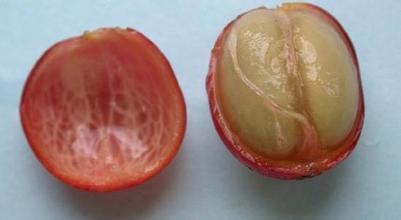
Coffee beans are actually the seeds inside coffee cherries. Most cherries hold two flat, oval seeds — but about 5% have just one round seed, called a peaberry. These seeds form inside the fruit of the coffee tree, which only thrives under very specific environmental conditions.
What Is a Coffee Bean, Really?
The term "coffee bean" is a bit of a misnomer. What we call a bean is really the seed of the coffee cherry — the fruit produced by the coffee plant. Most cherries contain two seeds that are flat and oval-shaped, rich in endosperm (the part that becomes your brewed coffee). In rare cases, a cherry produces a single round seed, known as a peaberry, similar to finding a single grain of rice where you'd expect two. These peaberries sometimes develop unique flavor profiles and are often separated during processing.
Where Did Coffee Originate?
Coffee cultivation began around the year 850 in Ethiopia. By 900, it had spread across the Arabian Peninsula, with the first documented evidence of coffee appearing in Yemen around that time. The Yemenis tried to protect their coffee trade by guarding the trees closely, but some seedlings were eventually smuggled to the Netherlands and grown in greenhouses. This marked the beginning of coffee’s global journey outside Africa and the Middle East.
The Right Climate for Coffee Trees
Coffee trees are picky about where they grow. Arabica coffee plants, which make up most specialty coffee, require temperatures between 15°C and 24°C (59°F–75°F). In contrast, Robusta coffee can tolerate much hotter conditions, surviving in temperatures up to 30°C (86°F). Rainfall is equally crucial: an annual average of 150–300 mm of rain supports healthy growth, especially during the fruit development stage. However, as coffee cherries near maturity, lighter rainfall helps improve sweetness and concentration. Because of these climate needs, harvest seasons vary across the globe — some regions even enjoy year-round production due to differing northern and southern hemisphere cycles.

How Planting Location Affects Growth
Coffee farmers often plant trees in rows spaced several inches apart. To meet their environmental needs, some growers plant coffee under taller cash crops or on hillsides where conditions such as temperature, shade, and drainage are more favorable. Altitude, shade, and companion planting all play a role in managing microclimates that Arabica trees need to thrive. In regions where heat or pests are a challenge, strategic planting can mimic the cooler, stable environments that specialty-grade Arabica demands.
Frequently Asked Questions
What is a coffee bean, if it’s not really a bean?
A coffee bean is actually the seed inside a coffee cherry — the fruit of the coffee plant. Most cherries contain two oval, flat seeds, though about 5% have a single round seed called a peaberry. These seeds are often mistaken for beans because of their shape, but they’re the part that gets roasted and ground for brewing.
Where did coffee originally come from?
Coffee originated in Ethiopia around the year 850. It spread to the Arabian Peninsula by 900, with the first recorded mention of coffee appearing in Yemen around that time. Early efforts to control coffee trade included strict cultivation limits, but some plants were eventually smuggled to Europe and grown in greenhouses.
What temperature range do Arabica coffee trees need?
Arabica coffee trees require a consistent climate between 15°C and 24°C (59°F–75°F) to grow well. These relatively cool temperatures help develop the complex flavors associated with specialty-grade Arabica coffee.
What temperature can Robusta coffee tolerate?
Robusta coffee trees are much hardier and can grow in temperatures up to 30°C (86°F). This heat tolerance allows Robusta to be cultivated in warmer regions where Arabica would struggle.
How does rainfall affect coffee cherry development?
Coffee trees need about 150–300 mm of rain per year. Steady rainfall during fruit growth helps development, but lighter rain during ripening improves sugar concentration and flavor. Too much rain at the wrong time can dilute flavors or cause fruit to drop.
Why do coffee harvest times vary by region?
Because coffee ripens at different times in the northern and southern hemispheres, and due to varying climates and altitudes, some regions experience year-round harvests while others have distinct coffee seasons. Geographic differences in rainfall and temperature also shift the timing of peak ripeness.
Recommended FrontStreet Beans for Exploring Origins
Explore how climate shapes flavor with FrontStreet Coffee’s Ethiopia Guji Konga — vibrant and citrusy with floral brightness, a classic high-altitude Arabica profile. For contrast, try Brazil Sertãozinho Cerrado, a nutty, chocolatey medium roast that shows how Robusta’s cousin thrives in warmer, drier conditions. Or dive into Yemen Mocha Mattari, a winey, spicy single origin that reflects coffee’s ancient roots. All showcase how origin, climate, and care define your cup. Freshly roasted within 5 days · Orders placed before 17:00 ship the same day · Next-day delivery across most of Guangdong Province.
FrontStreet Coffee is a long-established specialty coffee roaster in Guangzhou China, selling freshly roasted beans from its own farm in Yunnan as well as dozens of carefully selected single-origin beans from around the world for both pour-over and espresso. The products deliver consistently excellent quality and great value, with shipping within 24 hours. Guangzhou's FrontStreet Coffee shop is recommended by many coffee lovers, and the beans are now available online at the Tmall 。
Important Notice :
前街咖啡 FrontStreet Coffee has moved to new addredd:
FrontStreet Coffee Address: 315,Donghua East Road,GuangZhou
Tel:020 38364473