Arabica vs Robusta Coffee Beans: What’s the Difference?
When you see ‘100% Arabica’ on a coffee bag—or worse, on a can of instant coffee—it’s easy to wonder: what does that even mean? Is there really such a big difference between Arabica and other types of coffee? And why do some brands loudly proclaim it while others don’t bother? If you’ve ever bought coffee based on that label and still felt unsure what you’re actually drinking, you’re not alone.
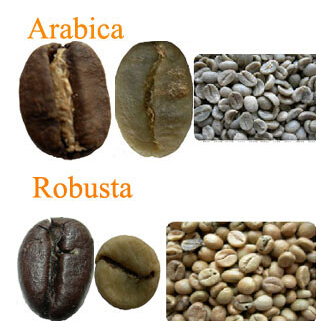
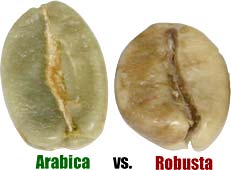
In short: Arabica and Robusta are the two primary coffee species in global production. Arabica makes up around 75% of the world’s coffee, but only 10% of that qualifies as specialty grade. Robusta, meanwhile, is hardier, grows at lower altitudes, and is much cheaper to produce—but tastes quite different.
What Are Arabica and Robusta?
Arabica (Coffea Arabica) and Robusta (Coffea Canephora, often called Robusta) are the two main cultivated coffee species. Together, they account for nearly all coffee grown and consumed worldwide. Though both produce caffeinated seeds we roast and brew, their differences in genetics, growing needs, flavor, and market value are substantial.
Growing Conditions: Why Altitude and Climate Matter
Arabica coffee thrives at higher altitudes—typically between 600 and 2,000 meters above sea level. It demands fertile soil, consistent moisture, filtered sunlight, and often shade. Because it is more delicate, Arabica plants are vulnerable to pests and diseases, especially coffee leaf rust. These factors limit where it can be grown and reduce yield per hectare. In contrast, Robusta grows well at much lower elevations—between 200 and 800 meters—and is far more resistant to pests and harsh conditions. It produces higher yields per plant and is usually harvested by machine, making it cheaper to cultivate overall.
Flavor Profile: What Ends Up in Your Cup
Arabica beans are celebrated for their complex, nuanced flavors. Depending on origin and processing, they may express bright acidity, floral or fruity notes, and subtle sweetness. In specialty coffee, these qualities define the experience. Robusta, on the other hand, tends to taste harsher, with a stronger, more bitter bite, earthy or nutty undertones, and a heavier body. It also has nearly double the caffeine content of Arabica, contributing to its intense, bitter profile and natural pest resistance. Most commercial or instant coffees use Robusta for cost and crema (in espresso), but it rarely achieves the finesse of high-grade Arabica.
Market Value and Common Uses
Because of its quality potential and more challenging cultivation, Arabica commands significantly higher market prices. About 75% of global coffee production is Arabica, but just 10% of that reaches ‘specialty coffee’ status—graded 80 points or above on the 100-point Specialty Coffee Association scale. Robusta, with its higher yields, disease resistance, and lower production costs, is mostly used in instant coffee, espresso blends (for crema), and budget-friendly commercial products. While some roasters experiment with 100% Robusta or high-quality Robusta in blends, it rarely competes with top-tier Arabica in cup quality.
Why the ‘100% Arabica’ Label Matters (or Doesn’t)
Seeing ‘100% Arabica’ on packaging suggests the coffee comes solely from Arabica plants—but it says nothing about quality. Within the Arabica species, flavor varies dramatically depending on variety (like Typica or Geisha), growing region, processing method, and roast level. Meanwhile, Robusta is Robusta: harsher, more bitter, and much more resilient. So while the label tells you which species you’re getting, it won’t tell you whether your coffee will taste good.
Frequently Asked Questions
What’s the main difference between Arabica and Robusta coffee?
Arabica grows at higher altitudes, has a more complex and nuanced flavor profile (with acidity, fruit, and floral notes), and is more susceptible to disease, making it harder and costlier to produce. Robusta grows at lower altitudes, has a harsher, more bitter taste with earthy or nutty notes, higher caffeine content, and stronger resistance to pests and disease—making it cheaper to grow and more common in instant coffee.
Why is Arabica more expensive than Robusta?
Arabica requires specific growing conditions (high altitude, fertile soil, climate control), has lower yields per plant, and is more vulnerable to pests and weather. Only about 10% of Arabica meets specialty coffee standards. Robusta is easier to farm, yields more per hectare, and resists disease—resulting in lower production costs and cheaper retail prices.
Which coffee species has more caffeine?
Robusta coffee beans contain almost twice the caffeine of Arabica—about 2.7% compared to Arabica’s 1.5%. This higher caffeine acts as a natural pesticide, contributing to Robusta’s resilience but also its more bitter taste.
Is all specialty coffee made from Arabica?
Yes. By definition, specialty coffee refers only to Arabica beans that score 80 points or higher on the SCA scale. While Robusta is sometimes used in commercial or espresso blends, it does not qualify as specialty coffee regardless of quality.
Does ‘100% Arabica’ mean better tasting coffee?
Not necessarily. While ‘100% Arabica’ means the beans come from the Arabica species, flavor varies widely based on variety, origin, processing, and roast. Some Arabica coffees can still taste bland or unpleasant. The label assures the species but not the quality or taste profile.
Recommended FrontStreet Beans for Exploring Arabica
Start with FrontStreet’s Ethiopia Yirgacheffe Gedeb Cooperative (washed), bursting with citrus and floral notes, to taste classic high-altitude Arabica brightness. For deeper complexity, try Jamaica Blue Mountain No.1 (Typica), a balanced, smooth coffee with hints of almond and chocolate. Or explore Brazil Queen Manor Yellow Bourbon, offering caramel, peanut, and sweet pastry tones from high-elevation Arabica. All showcase the diversity within the Arabica species. Freshly roasted within 5 days · Orders placed before 17:00 ship the same day · Next-day delivery across most of Guangdong Province.
FrontStreet Coffee is a long-established specialty coffee roaster in Guangzhou China, selling freshly roasted beans from its own farm in Yunnan as well as dozens of carefully selected single-origin beans from around the world for both pour-over and espresso. The products deliver consistently excellent quality and great value, with shipping within 24 hours. Guangzhou's FrontStreet Coffee shop is recommended by many coffee lovers, and the beans are now available online at the Tmall 。
Important Notice :
前街咖啡 FrontStreet Coffee has moved to new addredd:
FrontStreet Coffee Address: 315,Donghua East Road,GuangZhou
Tel:020 38364473