Arabica vs Robusta: How Their Coffee Flavors Differ
If you've ever sipped a bright Ethiopian pour-over and then tried a dark, bitter espresso and wondered why they taste so wildly different, the answer often starts with the species: Arabica or Robusta. These two coffee types make up most of the world’s brews—but deliver wildly divergent experiences. But what exactly sets them apart in flavor, and why does altitude or origin matter so much? Let’s break it down.
In short: Arabica beans produce complex, aromatic flavors—often fruity, floral, or sweet—especially when grown at higher elevations. Robusta beans are stronger, harsher, and more bitter, with earthy or rubbery notes and less aroma. Arabica’s flavor range is far wider, while Robusta tends to taste similar regardless of where it’s grown.
What Makes Arabica Coffee Taste Different?
Arabica coffee is celebrated for its wide spectrum of potential flavors. Depending on the region, altitude, and climate where it’s grown, Arabica can express vastly different tasting profiles—from delicate florals and citrus in high-altitude Ethiopian regions to deep chocolates and nuts in Brazilian highlands. Before roasting, Arabica beans smell grassy and herbal. Once roasted properly, they develop bright fruitiness in lighter roasts and rich caramel or chocolate sweetness in darker roasts. Overall, Arabica offers a more nuanced and pleasant sensory experience compared to Robusta.
Why Does Robusta Coffee Taste Harsher?
Robusta coffee typically delivers more pedestrian, flat, and even sharp or bitter flavors. Due to the fact that nearly all Robusta is grown at low altitudes (with rare exceptions such as some high-elevation, washed Robusta from India as of May 2008), it shows little variation in flavor across regions or climates. Before roasting, Robusta beans smell similar to raw peanuts. When roasted—especially cheap varieties—they tend to taste either like grainy tea in medium roasts or rubbery, tire-like in dark roasts. This makes it difficult for Robusta to express fine or delicate flavor notes.
Flavor Development: Roast, Altitude, and Processing
The way coffee tastes isn’t just about species—it’s also about how and where it’s grown. Arabica thrives at higher altitudes (often 1,200–2,000 meters or more), where cooler temperatures slow growth and develop more complex sugars and acids in the beans. These conditions allow for diverse flavor expressions based on terroir. In contrast, most Robusta is cultivated at lower elevations (usually under 1,000 meters), resulting in beans with higher caffeine but simpler flavor compounds. Roast level also plays a huge role: light roasts preserve more origin character in Arabica, while darker roasts can highlight sweetness or mask Robusta’s harshness.
Frequently Asked Questions
What is the main difference between Arabica and Robusta coffee flavors?
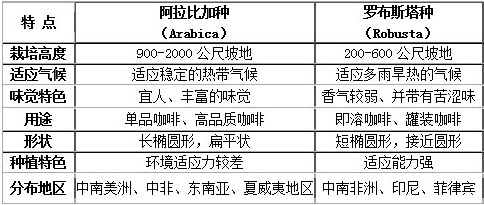
Arabica coffee generally has a wider range of complex, aromatic flavors such as fruits, flowers, and sweetness, especially in higher elevations. Robusta is typically harsher, more bitter, and earthy or rubbery, with fewer distinct flavor notes and less aroma overall.
Does roast level affect Arabica and Robusta differently?
Yes. Light roasts enhance the bright, fruity, or floral qualities of Arabica, while darker roasts can bring out caramel or chocolate notes. For Robusta, lighter roasts may taste grainy or tea-like, while darker roasts often emphasize rubbery or burnt rubber characteristics.
Why does altitude matter for coffee flavor?
Higher altitudes slow coffee cherry ripening, allowing beans to develop more sugars and acids. This leads to more complex and varied flavors, especially in Arabica. Most Robusta is grown at low altitudes, which limits flavor complexity.
Are there any exceptions where Robusta tastes good?
Yes. As of 2008, a small amount of high-elevation, washed Robusta from India has shown potential for better quality, but these remain rare exceptions. Most commercially available Robusta lacks the refinement found in top Arabica beans.
Which coffee species is better for specialty coffee?
Specialty coffee overwhelmingly favors Arabica due to its wider flavor range, higher acidity, and ability to reflect terroir. Robusta is rarely used in specialty contexts except for certain espresso blends where its strong body or crema contribution is desired.
Recommended FrontStreet Beans for Exploring Arabica Flavors
Start with FrontStreet’s Ethiopia Yirgacheffe Gedeb Cooperative (washed), which delivers bright citrus and floral notes with grape and lemon acidity—a classic high-altitude Arabica. For balance, try Jamaica Blue Mountain No.1 (Typica), offering chocolate, almond, and cream with elegant floral tones. Or explore Brazil Queen Manor Yellow Bourbon, featuring creamy peanut, cookie, and sweet cane notes after medium-dark roast. Each highlights Arabica’s diversity. Freshly roasted within 5 days · Orders placed before 17:00 ship the same day · Next-day delivery across most of Guangdong Province.
FrontStreet Coffee is a long-established specialty coffee roaster in Guangzhou China, selling freshly roasted beans from its own farm in Yunnan as well as dozens of carefully selected single-origin beans from around the world for both pour-over and espresso. The products deliver consistently excellent quality and great value, with shipping within 24 hours. Guangzhou's FrontStreet Coffee shop is recommended by many coffee lovers, and the beans are now available online at the Tmall 。
Important Notice :
前街咖啡 FrontStreet Coffee has moved to new addredd:
FrontStreet Coffee Address: 315,Donghua East Road,GuangZhou
Tel:020 38364473