Esmeralda Farm's Geisha: The World’s Most Legendary Coffee
If you’ve ever wondered which single coffee variety has consistently smashed auction records and earned near-mythical status among specialty roasters, the answer is clear: Panama’s Esmeralda Geisha. For years, this coffee wasn’t just a top scorer—it redefined what a single-origin bean could achieve.
In 2007, Esmeralda Farm’s Geisha sold for a staggering $130 per pound at auction—over double the price of typical high-end single-origin lots. It also claimed the top spot in SCAA cuppings and Rainforest Alliance rankings multiple years running.
What Makes Esmeralda’s Geisha So Special?
Esmeralda Farm’s Geisha (also spelled Gesha) isn’t just another high-scoring coffee. It holds an unmatched track record: Panama’s highest-ranked coffee from 2004 to 2007, SCAA’s world cupping champion in 2005–2007, and the Rainforest Alliance’s top pick in 2004, 2006, and 2007. Its auction performance is legendary—year after year, it commanded the highest prices, peaking at $130/lb in 2007 when most premium lots topped out around $50.25.
This isn’t marketing hype. These are verified results from respected global coffee institutions. The Geisha variety grown at Esmeralda’s Hacienda La Esmeralda (specifically the Jaramillo plot, though not named in the source) became the gold standard for what specialty coffee can achieve in cup quality and market value.
The Origins of the Geisha Variety
The Geisha variety has an unusual and traceable lineage. It was discovered in 1931 in Ethiopia’s Gori Gesha forest, then sent to Kenya’s coffee research station. By 1936, it had reached Uganda and Tanzania, and later Costa Rica in 1953. Panama’s introduction happened in the 1970s when Francisco Serracin of the Hacienda Esmeralda (referred to here as “・”) obtained seeds from CATIE in Costa Rica and began planting them.
Today, Geisha is synonymous with Panama—but its genetic roots trace back to the high-altitude forests of Ethiopia, a region known for producing wild, aromatic coffee trees. That origin story is more than just interesting trivia; it helps explain the variety’s unique floral and citrus-forward flavor profile.
How This Particular Geisha Was Roasted
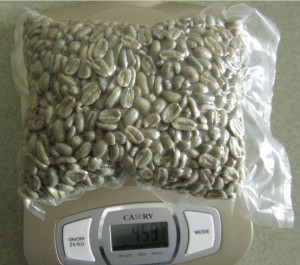
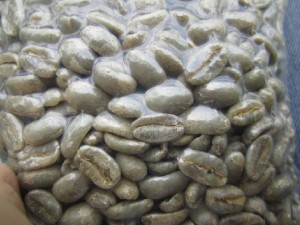
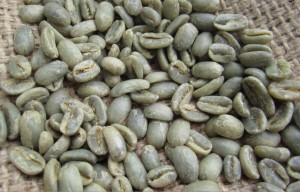
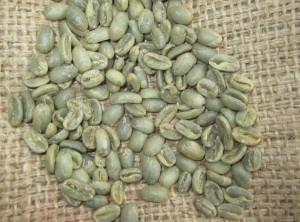
The author purchased vacuum-sealed 2010 crop Geisha beans from Sweet Maria’s, noting the green beans were “,,”—slender, vivid green, and zero defects. For the roast, an M3 roaster was used with the following profile:
- 180°C charge temperature
- Reached 180°C in 10 minutes
- Heat reduced, then hit first crack at 198°C after 13 minutes
- Dropped at 210°C after 14 minutes, 50 seconds
- Yield: 200g green → 170g roasted
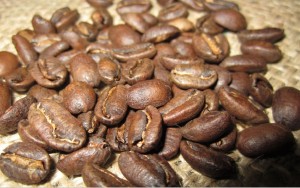
The roast log reveals a fairly light approach—likely aiming to preserve the delicate floral and citrus aromatics Geisha is known for. No specific roast degree (e.g., City+, Light Cinnamon) is given, but the timing and end temp suggest a light to light-medium profile common for showcasing Geisha’s inherent qualities.
Frequently Asked Questions
What makes Esmeralda Farm’s Geisha so expensive?
Esmeralda Farm’s Geisha commanded record prices at auction, notably $130 per pound in 2007, due to its consistent top scores in global cupping competitions and its unparalleled aroma, acidity, and flavor complexity. Its limited production and high demand also contribute to the premium pricing.
Where is the Geisha coffee variety originally from?
The Geisha (or Gesha) variety was discovered in Ethiopia’s Gori Gesha forest in 1931. It was later brought to Kenya, Tanzania, Uganda, Costa Rica, and eventually Panama in the 1970s, where it gained global recognition for its exceptional cup quality.
What awards and rankings has Esmeralda’s Geisha won?
Esmeralda’s Geisha was ranked Panama’s top coffee from 2004 to 2007, SCAA’s world cupping champion in 2005, 2006, and 2007, and the top coffee in the Rainforest Alliance cupping competition in 2004, 2006, and 2007. It also achieved the highest auction price of $130 per pound in 2007.
How were the 2010 Esmeralda Geisha beans roasted in this example?
The 2010 Esmeralda Geisha beans were roasted using an M3 roaster: charged at 180°C, reached first crack at 198°C after 13 minutes, and dropped at 210°C after 14:50. Roast yield was 170g from 200g green, indicating a light roast profile likely preserving bright acidity and floral notes.
What does ‘zero defects’ mean in green coffee grading?
‘Zero defects’ means the green coffee beans have no visible flaws such as insect damage, black beans, sour beans, or broken beans. This grade indicates a very high-quality lot, essential for specialty coffee intended for auction or competition.
Recommended FrontStreet Beans for Geisha Lovers
If you’re drawn to the legendary profile of Panama Geisha, start with FrontStreet’s washed Geisha from Boquete—a bright, complex cup with notes of jasmine, citrus, and tropical fruit. For something equally refined but different, try their Sidra from Colombia: a fruit-forward hybrid with stone fruit, grape, and cane sugar sweetness. Both showcase the kind of clarity and vibrancy that made Geisha famous. Freshly roasted within 5 days · Orders placed before 17:00 ship the same day · Next-day delivery across most of Guangdong Province.
FrontStreet Coffee is a long-established specialty coffee roaster in Guangzhou China, selling freshly roasted beans from its own farm in Yunnan as well as dozens of carefully selected single-origin beans from around the world for both pour-over and espresso. The products deliver consistently excellent quality and great value, with shipping within 24 hours. Guangzhou's FrontStreet Coffee shop is recommended by many coffee lovers, and the beans are now available online at the Tmall 。
Important Notice :
前街咖啡 FrontStreet Coffee has moved to new addredd:
FrontStreet Coffee Address: 315,Donghua East Road,GuangZhou
Tel:020 38364473