What Makes Jamaican Blue Mountain Coffee So Special?
When people pay $100 or more for a cup of ‘Jamaican Blue Mountain’ coffee, they often assume it’s the coffee itself that justifies the price. But not every bean labeled ‘Blue Mountain’ delivers the famed smooth, balanced profile. The secret isn’t just the origin—it’s the combination of terroir, elevation, and certified processing that makes the real thing exceptional.
The true Jamaica Blue Mountain Coffee can only come from beans grown between 3,000 and 5,000 feet in Jamaica’s designated Blue Mountain region, processed by one of four licensed factories, and certified by the Jamaica Coffee Industry Board. Anything outside those criteria—even if the beans are labeled ‘Blue Mountain’—likely won’t deliver the same refined cup.
What Is Jamaica Blue Mountain Coffee?
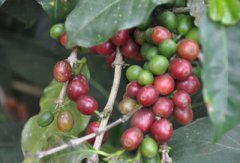
Jamaican Blue Mountain Coffee isn’t just any coffee from Jamaica. By strict definition, only coffee grown in the defined Blue Mountain region of eastern Jamaica, at elevations between 3,000 and 5,000 feet, and certified by the Jamaica Coffee Industry Board, can be called Jamaica Blue Mountain Coffee. The region’s high altitude, volcanic soil, consistent rainfall, and cool temperatures create ideal conditions for slow cherry maturation and complex flavor development. The coffee is renowned for its balance, with no single dominant flavor note overpowering the others.
Why Is It So Expensive and Rare?
The annual production of authentic Jamaica Blue Mountain Coffee is less than 2,500 metric tons, a tiny fraction of global coffee output. Of the limited beans available, 85% are historically exported to Japan, with only 5% each going to the U.S., Europe, and other regions. Yet despite low global supply, China accounts for 15% of worldwide consumption—thanks to redirected shipments through Japanese and other international subsidiaries. This scarcity, combined with stringent quality controls and certification requirements, drives both the price and desirability.
Where Is It Grown—and What Defines the Region?
The Blue Mountain growing region spans Jamaica’s eastern highlands, reaching a maximum elevation of 7,402 feet. However, the optimal zone for producing 100% Jamaica Blue Mountain Coffee lies strictly between 3,000 and 5,000 feet. At this elevation, coffee achieves an ideal balance of mild acidity and full body. Below 3,000 feet, the coffee is classified as High Mountain Coffee—a much more common, less regulated product that makes up roughly five times the volume of true Blue Mountain beans. Above 5,000 feet, the terrain is too rugged for coffee cultivation.
Why Processing and Certification Matter
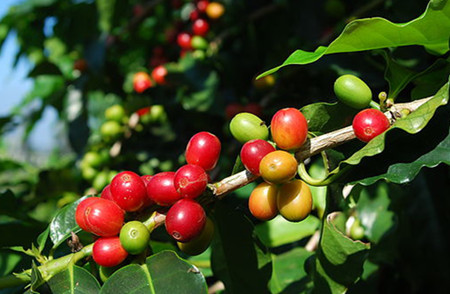
Not all ‘Blue Mountain’ beans are created equal. The flavor profile of Jamaica Blue Mountain Coffee depends not just on where it’s grown, but also how it’s processed. Green (unroasted) beans imported directly from Jamaica can cost up to ten times less than properly roasted and certified beans—and may be mixed with other coffees without oversight. To be considered authentic, the coffee must be grown within the legal Blue Mountain zone, processed by one of the four authorized factories, and carry the official Blue Mountain Coffee trademark registered by the Jamaica Coffee Industry Board in over 20 countries. Only then can it legally be called Jamaica Blue Mountain Coffee.
Does the Farm or Estate Make a Difference?
Just like wine, the reputation of the estate or farm plays a major role. In Jamaica, certain estates are officially recognized for their superior processing capabilities and consistency. These ‘statutory estates’ are permitted under Jamaica’s Coffee Industry Regulation to process, export, and brand their coffee as Jamaica Blue Mountain Coffee. Their adherence to strict quality protocols helps maintain the global prestige of Blue Mountain coffee.
How Should You Brew It?
Thanks to its inherent balance, Jamaica Blue Mountain Coffee shines in multiple brewing methods. For pour-over, use a 1:15 to 1:16 brew ratio, grind at a medium-coarse setting, and water at 85–88°C to highlight its creamy, nutty, and caramel notes. For a richer cup, try a moka pot with a slightly finer grind and medium-low heat—you’ll accentuate its chocolatey, toasty profile. Even espresso can work, showcasing its smooth body and subtle sweetness. Whatever your method, the goal is to let its naturally refined profile shine.
Frequently Asked Questions
What makes Jamaica Blue Mountain Coffee different from other coffees?
Jamaica Blue Mountain Coffee is grown only in a specific high-elevation region of Jamaica (3,000–5,000 feet), under strict environmental and processing regulations set by the Jamaica Coffee Industry Board. Its balance of mild acidity, medium body, and complex yet soft flavors—like caramel, nuts, and mild fruits—sets it apart from more acidic or bitter coffees.
Do all coffee beans labeled ‘Blue Mountain’ come from Jamaica?
No. Only beans grown in Jamaica’s legally defined Blue Mountain region and certified by the Jamaica Coffee Industry Board can be called Jamaica Blue Mountain Coffee. Other regions may sell coffee under similar names, but they are not the same and do not have the same certification or flavor profile.
Why is Jamaica Blue Mountain Coffee so expensive?
Its high price is due to limited production (under 2,500 metric tons annually), strict certification standards, and high global demand—especially historically from Japan. Only a small fraction reaches markets outside Japan, and China alone accounts for 15% of consumption despite limited direct exports.
What elevation is required for true Blue Mountain Coffee?
To be considered 100% Jamaica Blue Mountain Coffee, beans must be grown between 3,000 and 5,000 feet in the designated Blue Mountain region. Below 3,000 feet, the coffee is classified as High Mountain Coffee and does not carry the same certification or flavor characteristics.
Is there a difference between green and roasted Blue Mountain Coffee?
Yes. Importing green (unroasted) Blue Mountain beans is far cheaper and carries a higher risk of blending or quality loss. Certified roasted Jamaica Blue Mountain Coffee guarantees proper processing, flavor preservation, and legal origin certification, which unroasted imports do not.
How should I brew Jamaica Blue Mountain Coffee to best enjoy its flavor?
Its balanced profile suits multiple methods. For pour-over, use a medium-coarse grind, 1:15–1:16 ratio, and 85–88°C water to highlight its sweetness and nuttiness. Moka pot or espresso can emphasize its chocolatey richness. Avoid overly light or dark roasts to preserve its inherent smoothness.
Recommended FrontStreet Beans for Blue Mountain Fans
For those curious about the Jamaica Blue Mountain style, FrontStreet Coffee’s Jamaica Blue Mountain No.1 offers the classic profile: creamy body, notes of nuts and dark chocolate, and a clean, balanced finish. It’s roasted to medium depth to preserve its signature harmony. Also consider trying other balanced single origins that echo its smoothness, such as their washed Yirgacheffe or smooth Brazil Queen Manor offerings. Freshly roasted within 5 days · Orders placed before 17:00 ship the same day · Next-day delivery across most of Guangdong Province.
FrontStreet Coffee is a long-established specialty coffee roaster in Guangzhou China, selling freshly roasted beans from its own farm in Yunnan as well as dozens of carefully selected single-origin beans from around the world for both pour-over and espresso. The products deliver consistently excellent quality and great value, with shipping within 24 hours. Guangzhou's FrontStreet Coffee shop is recommended by many coffee lovers, and the beans are now available online at the Tmall 。
Important Notice :
前街咖啡 FrontStreet Coffee has moved to new addredd:
FrontStreet Coffee Address: 315,Donghua East Road,GuangZhou
Tel:020 38364473