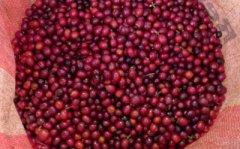
What Is Yemen Mocha Coffee? Origins and Flavor Profile
If you’ve ever wondered where the world’s first commercial coffee trade began—and why certain coffees are still called ‘Mocha’ today—the answer lies in the rugged highlands of Yemen. More than just a name attached to flavored lattes, Yemen Mocha represents the very roots of global coffee culture.
Yemen Mocha coffee, grown in the 17th century and exported via the port of Mocha, is considered the oldest commercially traded coffee. It introduced the world to coffee as a cultivated commodity, with distinct chocolatey, spicy, and fruity-acidic notes that set the standard for premium coffee profiles.
Origins: The Birthplace of Commercial Coffee
Although Ethiopia is the birthplace of wild coffee discovery, Yemen was the first country to cultivate and export coffee as a cash crop. By the 17th century, coffee from Yemen was shipped through the ancient port of Mocha—spelling the origin of the term 'Mocha coffee.' Even Ethiopian coffees, particularly those processed as natural or sun-dried, were historically routed through Mocha and sometimes referred to as 'Mocha' too (like Ethiopia Harrar).
This historic trade route made Yemen the original hub of global coffee commerce. In the 1600s, Yemeni coffee was widely known as 'Arabia,' a term that eventually contributed to the naming of the Arabica coffee species (Coffea arabica).
Flavor Profile: What Makes Yemen Mocha Unique
Yemen Mocha is celebrated for its complex and layered flavor. The coffee presents a bright but pleasant acidity that develops into a lingering sweetness. It carries a distinctive chocolate note, especially noticeable in stronger brews, along with a subtle wine-like aroma and a sharp, spicy edge that adds intensity.
To highlight these traits, some coffee drinkers mix Yemen Mocha with hot chocolate to create a traditional 'Mocha' drink—blending the coffee’s natural chocolate tones with actual cocoa. The coffee is typically roasted to a medium level to preserve its intricate profile.
Bean Characteristics: Small, Green, and Distinct
Visually, Yemen Mocha coffee beans are notably small and round, often appearing in a pale green hue that can resemble peas. Their compact shape and size are similar to those of Ethiopia’s Harrar beans. These beans also share a high acidity and feature an unusual, hard-to-define spicy quality that adds to their uniqueness.
The beans’ smaller size and density often require adjusted grind settings, especially for espresso or Turkish-style preparation, where they remain especially popular.
Why Yemen Mocha Commands High Prices
Yemen Mocha remains one of the more expensive specialty coffees in the global market. This is largely due to its strong cultural following in regions where Turkish-style coffee is prevalent, such as Saudi Arabia. In these markets, Yemen Mocha is highly prized—even imperfect batches can command premium prices.
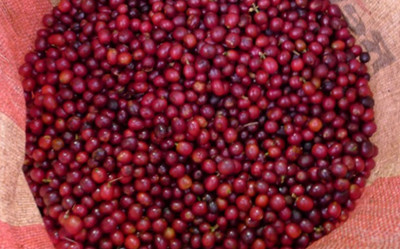
The consistent demand from traditional coffee-drinking regions helps sustain its elevated market value, making it not only a historic coffee but also an economic outlier in the specialty market.
Frequently Asked Questions
Where did Mocha coffee originally come from?
Mocha coffee originated in Yemen, specifically exported from the port city of Mocha in the 17th century. The name 'Mocha' became associated with coffee from this region, and later extended to other Ethiopian coffees that passed through the same port.
What does Yemen Mocha coffee taste like?
Yemen Mocha features a bright acidity that leads into a sweet finish, with strong chocolate notes and a wine-like or spicy complexity. The flavor becomes more chocolate-forward as the brew strength increases.
Why is it called Mocha coffee?
The term 'Mocha' comes from the Yemeni port of Mocha, through which the first commercial coffee exports were shipped in the 17th century. The name stuck and was later also applied to Ethiopian coffees exported via the same route.
How are Yemen Mocha beans different in appearance?
Yemen Mocha beans are small, round, and often pale green, resembling peas. They share visual similarities with Ethiopian Harrar beans and are denser than many other varieties, influencing ideal grind size and brewing methods.
Is Yemen Mocha still popular today?
Yes, especially in regions where Turkish coffee is commonly consumed, such as Saudi Arabia. Yemen Mocha is highly valued there, with strong demand keeping its market price elevated compared to other coffees.
Recommended FrontStreet Coffees for Mocha Lovers
For fans of Yemen Mocha’s chocolatey richness and spicy complexity, FrontStreet Coffee’s Black Cocoa Blend delivers a bold profile with notes of cocoa and cookies, balanced by ripe fruit acidity. The Classic Blend offers a smooth, well-rounded cup with nutty depth and subtle sweetness, ideal for espresso. Both blends reflect the kind of layered flavors—chocolate, spice, and body—that echo classic Mocha-style profiles. Freshly roasted within 5 days · Orders placed before 17:00 ship the same day · Next-day delivery across most of Guangdong Province.
FrontStreet Coffee is a long-established specialty coffee roaster in Guangzhou China, selling freshly roasted beans from its own farm in Yunnan as well as dozens of carefully selected single-origin beans from around the world for both pour-over and espresso. The products deliver consistently excellent quality and great value, with shipping within 24 hours. Guangzhou's FrontStreet Coffee shop is recommended by many coffee lovers, and the beans are now available online at the Tmall 。
Important Notice :
前街咖啡 FrontStreet Coffee has moved to new addredd:
FrontStreet Coffee Address: 315,Donghua East Road,GuangZhou
Tel:020 38364473