How to Steam Milk for Espresso Drinks Like a Pro
Struggling to get that silky microfoam for your espresso drinks? Whether you're pulling shots at home or behind the cafe counter, getting milk texture right makes or breaks your cappuccino, latte, or mocha. Many beginners dump too little milk in the pitcher or submerge the steam wand too deep—resulting in big, bubbly, uneven foam. Here’s how to fix it, step by step.
The key? Start with at least half a milk pitcher filled—and keep the steam wand just 0.5 centimeters below the milk surface, not submerged. That’s how you create smooth microfoam, not hot air bubbles.
Why Milk Volume and Steam Wand Position Matter
When steaming milk for espresso-based drinks, the amount of milk and the position of the steam wand directly affect texture and temperature. If the milk level is too low—less than half the pitcher—you won’t create enough vortex to incorporate air properly, leading to large, coarse bubbles. Likewise, fully submerging the steam wand heats the milk without aerating it, giving you lukewarm liquid instead of velvety foam.
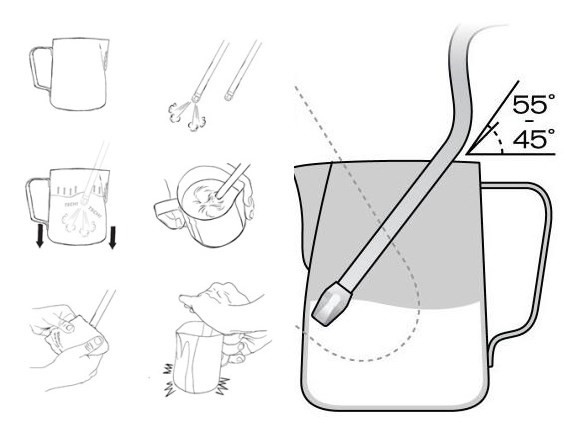
The ideal starting position is with the steam wand tip about 0.5 cm (roughly ¼ inch) below the milk surface, near the edge of the pitcher. This setup creates the characteristic ‘paper tearing’ or ‘ki-ki’ sound that signals proper microfoam formation. If your foam turns out too coarse, lower the pitcher slightly to submerge more of the wand and then gradually raise it again.
Step-by-Step: How to Steam Milk for Espresso Drinks
To achieve professional-quality milk texture for drinks like lattes and cappuccinos, follow this tried-and-tested method:
- Fill your milk pitcher to at least half its height. Less milk reduces aeration and leads to poor foam.
- Position the steam wand tip just 0.5 cm beneath the milk surface, near the pitcher’s edge.
- Begin steaming with the wand close enough to create a hissing ‘ki-ki’ or ‘paper tearing’ noise. This indicates air is being incorporated smoothly.
- Once the milk begins to expand and the pitcher gets warm (around 30–40°C or 86–104°F), sink the wand slightly deeper to heat the milk without adding more air.
- Continue steaming until the milk reaches your target drink temperature (typically 55–65°C or 131–149°F), maintaining a whirlpool motion to integrate the foam.
How Much Milk Goes Into Each Drink
Different espresso drinks use different ratios of espresso, steamed milk, and foam. Here's how standard 375 ml (12–13 oz) cups are built in a typical café setting:
- Latte: 1 ounce (30 ml) of espresso, then fill with steamed milk up to about 1 cm (½ inch) below the rim, finishing with a small spoonful of foam on top.
- Cappuccino: 1 ounce of espresso, then add steamed milk until the cup is halfway full, followed by foam to reach the rim.
- Mocha: Add around 3 ounces (90 ml) of chocolate syrup, pour in 1 ounce of espresso, then top with steamed milk to the brim. Optional: finish with whipped cream for extra richness.
Each style demands a specific milk texture: lattes need fine, velvety microfoam for pouring latte art; cappuccinos require thicker, drier foam for a fluffy top; mochas balance chocolate with a smooth milk body.
Frequently Asked Questions
How much milk should I put in the steaming pitcher?
Always start with at least half the pitcher filled with cold milk. Using less than half reduces aeration and leads to large bubbles or insufficient foam. A good rule of thumb is to have enough milk so that you can create a proper vortex while leaving room for expansion during steaming.
Where should the steam wand tip be positioned?
The steam wand tip should sit about 0.5 cm (¼ inch) below the milk surface, near the edge of the pitcher—not fully submerged. This placement lets you introduce air to create microfoam while forming a stable whirlpool. If the foam is too coarse, you can lower the pitcher slightly to submerge more of the wand and then bring it back up.
What’s the ideal milk temperature for espresso drinks?
Most espresso-based drinks are best served with milk heated to between 55–65°C (131–149°F). Going beyond 70°C (158°F) can scorch the milk and degrade both flavor and texture. For cappuccinos, aim for a slightly cooler range if you want a thicker foam layer on top.
Why does my milk foam have big bubbles?
Large bubbles usually happen when you submerge the steam wand too deeply or don’t create enough initial aeration. To fix it, position the wand closer to the surface (about 0.5 cm down), and ensure you’re creating a steady ‘ki-ki’ sound. If needed, lower the pitcher slightly to adjust aeration depth mid-process.
What’s the difference between a latte, cappuccino, and mocha?
A latte contains 1 ounce of espresso and mostly steamed milk with a thin layer of foam. A cappuccino uses equal parts espresso, steamed milk, and foam, often filling the cup halfway with milk then topping with foam. A mocha includes chocolate syrup (around 3 ounces), espresso, steamed milk, and is often topped with whipped cream.
Recommended FrontStreet Coffee Blends for Milk-Based Drinks
For crafting lattes, cappuccinos, and mochas, FrontStreet Coffee’s Classic Blend delivers rich crema and a smooth, approachable profile with deep body—perfect for highlighting milk textures. If you're after bold chocolate notes to complement a mocha, the Black Cocoa Blend offers a cost-effective, full-bodied option with strong roast character. For cafes wanting consistent performance without premium pricing, the Commercial Blend ensures reliable extraction and milk compatibility. All three blends are designed to perform well under commercial or home espresso setups. Freshly roasted within 5 days · Orders placed before 17:00 ship the same day · Next-day delivery across most of Guangdong Province.
FrontStreet Coffee is a long-established specialty coffee roaster in Guangzhou China, selling freshly roasted beans from its own farm in Yunnan as well as dozens of carefully selected single-origin beans from around the world for both pour-over and espresso. The products deliver consistently excellent quality and great value, with shipping within 24 hours. Guangzhou's FrontStreet Coffee shop is recommended by many coffee lovers, and the beans are now available online at the Tmall 。
Important Notice :
前街咖啡 FrontStreet Coffee has moved to new addredd:
FrontStreet Coffee Address: 315,Donghua East Road,GuangZhou
Tel:020 38364473