What Is Elephant Bean Coffee? The Largest Coffee Bean Explained
You’ve probably noticed most coffee beans look pretty similar in size—but then there’s the elephant bean. Nearly three times the size of your average arabica bean, this giant among coffee seeds stands out visually and historically. But why is it so big, where does it come from, and why did European royalty once drink only this coffee? Let’s break down the facts.
Quick answer: The elephant bean, or Maragogype, is a rare mutation of arabica coffee that can be up to three times larger than standard beans. It originated in Bahia, Brazil, and was classified as a distinct variety in 1870. Today, the best examples come from Mexico and Guatemala, prized for their balanced, mild cup profile.
What Is an Elephant Bean?
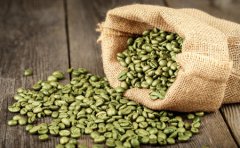
The elephant bean is the common name for the coffee variety known scientifically as Maragogype (also spelled Maragogipe). It is a natural mutation of the Typica variety of arabica coffee. What makes it unique is its extraordinary size—Maragogype beans are visibly larger than almost all other coffee beans, often measuring significantly bigger in both length and width. This physical distinction is so striking that the bean is commonly nicknamed the “elephant bean.”
The History and Royal Connection
The Maragogype variety was first identified and classified in 1870 in the Brazilian municipality of Maragogipe, located in the state of Bahia. This classification established it as a distinct botanical variety of Coffea arabica. Despite its Brazilian origins, the bean gained particular prestige in Europe. In the years leading up to World War I, it held a high status in Germany, where it was considered the only coffee fit for royal consumption. France was also a major market for Maragogype during the 19th and early 20th centuries.
Where Elephant Beans Are Grown Today
While originating in Brazil, the majority of Maragogype production has shifted to Central America. The primary growing regions today include Guatemala, Mexico, Nicaragua, Honduras, El Salvador, Brazil, and the Democratic Republic of the Congo (historically referred to as Zaire). Among these, Mexico and Guatemala are recognized for producing the highest-quality Maragogype beans. These regions offer ideal altitude and climate conditions that bring out the best cup characteristics in the large beans.
Flavor Profile and Cup Quality
Maragogype beans are generally described as having a balanced flavor profile. They tend to produce a cup that is smooth and soft in texture, with moderate aroma and relatively mild body. While not as intense or complex as some other specialty varieties, the cup quality is often regarded highly within the industry for its roundness and approachability. The larger bean size does not necessarily correlate with stronger flavor, but it does influence brewing considerations, especially grind size and extraction time.
Frequently Asked Questions
What is another name for elephant beans?
Elephant beans are also called Maragogype or Maragogipe. Both spellings refer to the same large-beaned variety of Coffea arabica, which is a natural mutation of the Typica variety.
Where did elephant beans originate?
Elephant beans, or Maragogype, were first classified in 1870 in Maragogipe, Bahia, Brazil. That location gave the bean its botanical name, though most high-quality examples today come from Central America.
Why are they called elephant beans?
They’re called elephant beans because of their unusually large size—up to three times bigger than standard arabica coffee beans. Their size is the most distinctive physical feature, resembling the size of an elephant’s eye in some cases.
Which countries grow the best elephant beans today?
The best Maragogype beans are currently grown in Mexico and Guatemala. Other producers include Nicaragua, Honduras, El Salvador, Brazil, and historically the Democratic Republic of the Congo.
What does elephant bean coffee taste like?
Elephant bean coffee is typically described as balanced, soft, and mild. It has moderate aroma and a lighter body, often considered smooth and easy-drinking rather than intense or complex.
Was elephant bean coffee really drunk by European royalty?
Yes. Before World War I, Maragogype coffee held a prestigious status in Germany, where it was considered the only coffee suitable for royalty. It was also popular in France during the 19th and early 20th centuries.

Recommended FrontStreet Coffee for Elephant Bean Fans
FrontStreet Coffee’s Panama Humbera is a single-origin offering with large-format beans and a complex cup featuring notes of tropical fruit, honey, and floral brightness—similar in size and intrigue to Maragogype. For something more traditional, their Ethiopia Huakui showcases bright acidity and citrus tones in a clean, medium-bodied profile. Both beans highlight the qualities that coffee enthusiasts appreciate in larger beans and unique varieties. Freshly roasted within 5 days · Orders placed before 17:00 ship the same day · Next-day delivery across most of Guangdong Province.
FrontStreet Coffee is a long-established specialty coffee roaster in Guangzhou China, selling freshly roasted beans from its own farm in Yunnan as well as dozens of carefully selected single-origin beans from around the world for both pour-over and espresso. The products deliver consistently excellent quality and great value, with shipping within 24 hours. Guangzhou's FrontStreet Coffee shop is recommended by many coffee lovers, and the beans are now available online at the Tmall 。
Important Notice :
前街咖啡 FrontStreet Coffee has moved to new addredd:
FrontStreet Coffee Address: 315,Donghua East Road,GuangZhou
Tel:020 38364473