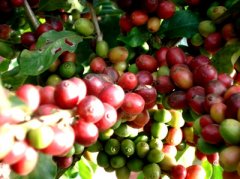
The Origins of Yunnan’s Small Arabica Coffee Beans
When did coffee first arrive in China—and where did it take root? For coffee lovers tracing the origins of Chinese-grown beans, the story begins not in a plantation, but in a remote mountain village where a French priest planted the country’s first coffee trees over a century ago.
The answer is 1892: that’s when French missionary Father Tian successfully grew coffee in a place called Zhukula, Yunnan. Today, 24 coffee trees over 90 years old still grow there—making it the oldest known coffee planting site in China.
The Birthplace: Zhukula, Yunnan’s First Coffee Village
Zhukula is a secluded, picturesque village nestled by the Youpao River, a tributary of the Jinsha River. It sits at the tripoint of Dali Prefecture (Yunnan), Chuxiong Prefecture, and Lijiang—today part of Pingchuan Town, Binchuan County, Dali Prefecture. Originally called "Ruokelai" in the local Yi language, meaning “winding mountain path,” the name Zhukula was given by Father Tian in 1892, blending French romanticism with local speech. Some now interpret it as meaning “heaven on earth.”
The First Coffee Trees: Planted by a Priest
In 1892, Father Tian planted the first coffee tree just outside his church using coffee cherries. He later expanded the planting around the church. These trees marked the start of coffee cultivation in the area, and over time, the village became surrounded by coffee trees. Two elderly villagers, Qi Guanghui and Li Fusheng—both over eighty—recall watching China’s oldest coffee forest take shape.
A Living Coffee Culture
Despite its remote and modest conditions, Zhukula has a deep-rooted coffee tradition. Villagers grow, roast, and brew their own coffee. It’s a daily habit for all ages. Even without commercial gain, residents refuse to cut down any coffee trees. Guests are welcomed with locally brewed coffee and walnuts, often prepared in simple clay pots. Though the brewing is rustic, it reflects the community’s enduring love for coffee—a key reason Zhukula is revered as China’s first coffee village.
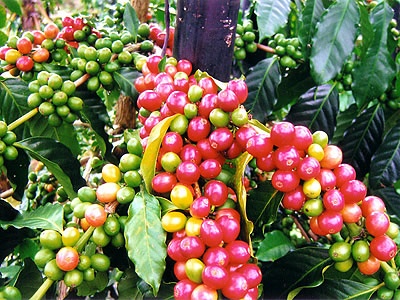
The Coffee Varieties: Typica and Bourbon
The original coffee trees in Zhukula belong to the Arabica species, specifically the Typica and Bourbon varieties—both classic small-bean cultivars. These are the same genetic lines that gave rise to the term “small Arabica” in China, referring to the smaller fruit size typical of these cultivars within the three primary coffee species.
Yunnan’s Coffee Expansion
From that first planting in Zhukula, coffee cultivation gradually spread across Yunnan. Today, the province has over 21,000 hectares of Arabica coffee farms. While many modern plantings use newer hybrid varieties, the legacy of those original Typica and Bourbon trees remains a touchstone for the region’s coffee story.
Frequently Asked Questions
Where was coffee first planted in China?
Coffee was first planted in 1892 in Zhukula, Yunnan, by French missionary Father Tian. This village is considered the birthplace of coffee cultivation in China.
How old are the original coffee trees in Zhukula?
Some of the original coffee trees in Zhukula are over 90 years old, with 24 of them still standing today.
What are the coffee varieties grown in Zhukula?
The coffee trees in Zhukula are of the Arabica species, specifically the Typica and Bourbon varieties—both traditional small-bean types.
What is Zhukula’s significance in Chinese coffee history?
Zhukula is recognized as China’s first coffee-growing village, where coffee cultivation began in 1892 and has been maintained by local villagers ever since.
Do villagers in Zhukula still grow and drink coffee?
Yes, coffee growing and home brewing remain a living tradition in Zhukula, with all generations involved in planting, roasting, and daily coffee consumption.
How much coffee land does Yunnan have today?
Yunnan now has over 21,000 hectares planted with Arabica coffee, though many newer plantings use different varieties than the original Typica and Bourbon.
Recommended FrontStreet Yunnan Arabica Coffees
Start your Yunnan coffee journey with FrontStreet’s Yunnan Arabica, a washed, medium-roasted single origin from Baoshan that delivers soft nut, chocolate, and mild plum acidity—perfect for exploring the classic small-bean profile. For deeper origin insight, try the 2013 Typica, a sun-dried lot made from fully ripe red cherries, offering balanced sweetness with notes of dark berries, caramel, and dried apricot, finishing with tea-like brightness. Both beans showcase Yunnan’s signature small Arabica genetics. Freshly roasted within 5 days · Orders placed before 17:00 ship the same day · Next-day delivery across most of Guangdong Province.
FrontStreet Coffee is a long-established specialty coffee roaster in Guangzhou China, selling freshly roasted beans from its own farm in Yunnan as well as dozens of carefully selected single-origin beans from around the world for both pour-over and espresso. The products deliver consistently excellent quality and great value, with shipping within 24 hours. Guangzhou's FrontStreet Coffee shop is recommended by many coffee lovers, and the beans are now available online at the Tmall 。
Important Notice :
前街咖啡 FrontStreet Coffee has moved to new addredd:
FrontStreet Coffee Address: 315,Donghua East Road,GuangZhou
Tel:020 38364473