Natural Coffee Processing: The Sun-Dried Method Explained
Natural processed coffee isn’t just a romantic throwback—it’s still the go-to method in some of the world’s oldest coffee origins. But how does laying whole ripe coffee cherries out in the sun turn into the complex, fruity beans you brew? If you’ve ever sipped a juicy Ethiopian with winey tones or a syrupy Yemeni cup, you’ve tasted the result of this age-old technique.
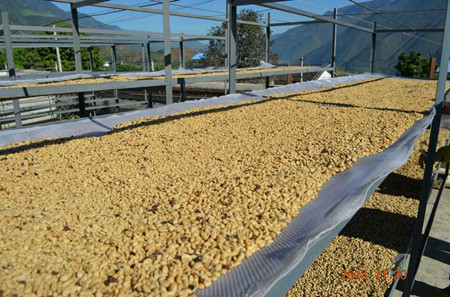
Sun-drying—also called the natural process—starts with sorting perfectly ripe, red coffee cherries. These are spread on raised beds or patios and left to dry in the sun until their moisture content drops to around 12%, which typically takes 2 to 4 weeks depending on weather. Once dry, the outer fruit and parchment are mechanically removed to reveal the green coffee bean inside.
What Is the Natural (Sun-Dried) Coffee Process?
The natural process is the simplest and oldest way to prepare coffee beans for roasting. Instead of removing the fruit before drying—as in washed or honey processing—whole ripe cherries are dried intact. This means the coffee bean inside stays in contact with its sugary pulp and mucilage throughout the drying phase. It’s the method that requires the fewest steps, but it demands precise conditions and careful management to avoid defects.
Where Did Natural Processing Begin?
Ethiopia and Yemen, the birthplaces of coffee cultivation, have historically relied almost entirely on the sun-dried method. With limited water resources and rugged terrain, early coffee farmers found it practical to dry cherries in the open air. In these regions, workers would handpick only fully red, ripe cherries—or sometimes slightly underripe yellow ones—and discard defective or unripe fruit. The selected cherries were then placed on flat surfaces to dry under the sun. This approach not only conserved water but also preserved the maximum amount of fruit sugars and acids in the bean, contributing to the distinctive profiles associated with classic Ethiopian and Yemeni coffees.
How Long Does Sun-Drying Take?
The drying period for natural processed coffee depends heavily on local weather, especially sunshine and airflow. Typically, it takes between two to four weeks. In regions like Ethiopia’s highlands, with low humidity and clear skies, the process may finish closer to two weeks. However, in places with frequent cloud cover or rain, drying can stretch to four weeks or more. FrontStreet Coffee’s Ethiopia Yirgacheffe Red Cherry, for example, is dried on elevated African beds for about 27 to 30 days under constant supervision to prevent mold and ensure even drying.
Why Does Natural Processing Create Different Flavors?
Because the coffee bean remains in contact with the cherry’s flesh during drying, it absorbs sugars and fermentation byproducts. This leads to more pronounced body, deeper sweetness, and intense fruit characteristics in the cup. Common tasting notes in natural processed coffees include blueberry, strawberry, tropical fruits, fermented wine notes, and honey. The extended skin contact allows for greater complexity, though it also increases the risk of over-fermentation or mold if not carefully monitored.
Step-by-Step: How Coffee Is Sun-Dried Naturally
The natural process follows these general steps:
- Harvesting: Only fully ripe, red coffee cherries are picked. Some regions may include slightly yellow cherries, but unripe or damaged fruit is always discarded.
- Sorting: Workers remove underripe, damaged, or defective cherries by hand or floatation.
- Spreading: Sorted cherries are laid out in thin layers (usually less than 5 cm thick) on raised drying beds, concrete patios, or mats. At FrontStreet Coffee, the Yirgacheffe Red Cherry is spread on elevated African beds to improve airflow and reduce ground contact.
- Drying: Cherries are turned regularly—by hand or with rakes—to ensure even exposure to the sun and avoid uneven drying or mold. Drying usually takes 2 to 4 weeks, with the goal of reducing moisture content to around 12%.
- Resting & Hulling: Once dried to the target moisture level, the hardened cherries are stored briefly before being run through a hulling machine to remove the outer fruit, parchment, and silverskin, revealing the green coffee bean.
What Role Does Weather Play?
Consistent sunlight, low humidity, and good airflow are critical. In areas prone to rain or high humidity—like parts of Colombia or Indonesia—farmers might combine sun drying with mechanical drying to control moisture. FrontStreet Coffee’s Brazil Queen Manor beans, for instance, are initially sun-dried before a final mechanical drying phase to achieve a stable 12% moisture level. In contrast, Ethiopia’s dry high-altitude climate is ideal for extended sun drying without additional equipment.
How Does Natural Processing Compare to Other Methods?
Unlike the washed process—where the fruit is removed before drying—natural processing retains the cherry during drying, leading to more fruit-driven and fuller-bodied results. Honey processing falls in between, with varying amounts of mucilage left on the bean. Washed coffees tend to be cleaner, brighter, and more acidic, while naturals are often sweeter, heavier, and more complex. Each method reflects different traditions, climates, and goals in cup profile.
Frequently Asked Questions
What is the natural coffee processing method?
The natural coffee processing method involves drying whole coffee cherries in the sun with the fruit and pulp still intact around the bean. This is the oldest method, requiring no water for pulping and relying solely on airflow and sunlight to reduce the cherry’s moisture content to around 12%. It typically takes 2–4 weeks and results in a sweeter, fruitier cup profile.
How long does it take to sun-dry coffee cherries?
Sun-drying coffee cherries generally takes between 2 to 4 weeks. In optimal conditions—such as in Ethiopia’s dry highlands—it may take as little as 2 weeks, but in cooler or wetter climates, it can extend to 4 weeks or longer. FrontStreet Coffee’s Yirgacheffe Red Cherry, for example, is dried for approximately 27–30 days.
Why do natural process coffees taste fruitier?
Natural process coffees taste fruitier because the coffee bean stays in contact with the cherry’s sweet pulp and mucilage during the entire drying process. This allows the bean to absorb more sugars and fermentation compounds, resulting in enhanced sweetness, body, and flavors like blueberry, tropical fruit, and fermentation notes.
Does weather affect natural coffee drying?
Yes, weather is critical in natural processing. Consistent sunshine, low humidity, and good airflow help ensure even drying and prevent mold. In regions with unstable weather, farmers may combine sun drying with mechanical drying or use raised beds to improve airflow. Brazil and Colombia often supplement sun drying with machines to manage moisture levels more precisely.
Is natural processing better than washed or honey processing?
“Better” depends on preference. Natural processing yields sweeter, fruitier, and fuller-bodied coffees, while washed coffees are cleaner and brighter. Honey-processed coffees fall in between, with more body than washed but less fermentation than natural. Each method highlights different flavor dimensions based on climate and processing goals.
What are some examples of natural processed coffees?
FrontStreet Coffee offers several natural processed coffees, including Ethiopia Yirgacheffe Red Cherry (with tropical fruit and fermentation notes), Ethiopia Huakui (showcasing floral, citrus, and mango complexity), Yunnan Arabica (nutty with mild berry acidity), and Brazil Queen Manor (chocolatey and nutty with smooth body). Each demonstrates how natural drying shapes distinct cup profiles.
Recommended Natural-Process FrontStreet Coffee Beans
Explore FrontStreet Coffee’s naturally processed beans to experience the method’s signature fruitiness and body. The Ethiopia Yirgacheffe Red Cherry is vibrant with tropical fruit and bold fermentation character after 27–30 days on raised beds. Ethiopia Huakui highlights floral, citrus, and mango notes thanks to Ethiopia’s ideal high-altitude sun-drying conditions. For something different, try Yunnan Arabica, a sun-dried single origin with nutty depth and subtle berry sweetness, reflecting China’s dry-season advantage. All three showcase how natural processing amplifies sweetness and complexity. Freshly roasted within 5 days · Orders placed before 17:00 ship the same day · Next-day delivery across most of Guangdong Province.
FrontStreet Coffee is a long-established specialty coffee roaster in Guangzhou China, selling freshly roasted beans from its own farm in Yunnan as well as dozens of carefully selected single-origin beans from around the world for both pour-over and espresso. The products deliver consistently excellent quality and great value, with shipping within 24 hours. Guangzhou's FrontStreet Coffee shop is recommended by many coffee lovers, and the beans are now available online at the Tmall 。
Important Notice :
前街咖啡 FrontStreet Coffee has moved to new addredd:
FrontStreet Coffee Address: 315,Donghua East Road,GuangZhou
Tel:020 38364473