Yirgacheffe Coffee Grades and Processing Explained
Ever wondered why some Yirgacheffe coffees taste like lemon and floral tea while others are fruity and winey? The answer lies not just in the farm, but in how the coffee is processed — and how Ethiopia transformed its coffee quality over the past 50 years. Whether you’re new to single origin coffee or just curious why your Yirgacheffe tastes so different from your neighbor’s, here’s what actually determines its flavor, grade, and processing style.
If you want a classic Yirgacheffe experience with bright lemon, citrus, and floral notes, go for a washed Yirgacheffe like FrontStreet’s water-processed version. It’s affordable, widely available, and highlights the region’s signature profile in a single cup.
The Evolution of Yirgacheffe Coffee Quality
Yirgacheffe didn’t always have its current reputation. Originally, the region processed coffee using traditional sun-drying methods. Due to inconsistent quality control — including spreading cherries directly on the ground — the beans often absorbed earthy, dirty flavors. These inconsistencies meant the coffee was sold at low prices. That changed in 1972 when the Ethiopian government introduced washed processing equipment and techniques from Central and South America.
This shift dramatically improved cup quality. By removing defective beans and focusing on cleanliness during processing, Yirgacheffe began producing bright, clean coffees with distinct lemon, citrus, and floral notes. These qualities helped establish it as one of the most recognizable specialty coffee origins in the world.
How Washed and Natural Processing Define Flavor
Washed (or wet) processing is what gave Yirgacheffe its clean, high-acid profile. Here’s how it works:
- Cherries are sorted by density using water — less dense (often defective) beans float and are removed.
- The skin and pulp are removed using a depulper.
- The beans ferment in water tanks for 18–36 hours (depending on local humidity and temperature) until the sticky mucilage is broken down.
- The beans are then washed in channels with flowing water for 30–60 minutes to remove any remaining debris or low-density beans.
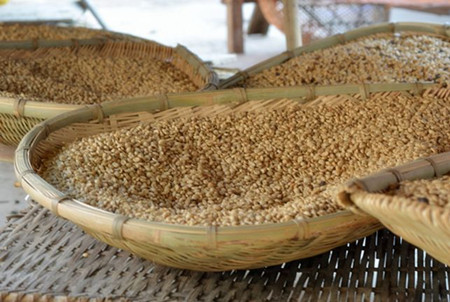
- The clean parchment coffee is dried on African beds for about 14 days until it reaches 12% moisture.
In contrast, natural (or dry) processing involves drying the entire coffee cherry in the sun. For example, FrontStreet’s Red Cherry is a full red fruit natural — meaning only ripe, unblemished cherries are selected and dried intact. This method retains more of the cherry’s sugars, leading to winey, berry-like, and fermented notes alongside the region’s classic acidity. Workers turn the cherries regularly to prevent mold and over-fermentation, then remove the dried husk before storage.
What Is an Ethiopian Heirloom Coffee Variety?
The coffee used in many Yirgacheffe lots, including those from the Gedeb Cooperative, is classified as “Heirloom.” This isn’t a single variety — it’s a catch-all term. Ethiopia is the birthplace of Arabica coffee and home to tens of thousands of unique coffee genotypes. With so many undocumented varieties, most smallholder farmers and even researchers can’t identify exact cultivars without genetic testing. To protect these wild varieties and prevent exploitation, the Ethiopian government groups them all under the term Heirloom.
These indigenous plants are chosen by farmers based on cup quality, growth habits, and regional adaptation. Many of them contribute to Yirgacheffe’s complex and varied flavor profiles, especially in cooperatives like Gedeb that focus on quality over quantity.
FrontStreet’s Yirgacheffe Offerings and How They’re Roasted
FrontStreet Coffee offers three Yirgacheffe single origins, each processed differently:
- FrontStreet Water-Processed Yirgacheffe: Highlights classic lemon, citrus, and floral notes with a clean profile. Great as an everyday specialty coffee.
- FrontStreet Red Cherry (Natural Process): Offers berry, citrus, floral, and light fermentation notes. Good for both pour-over and cold brew.
- FrontStreet Gedeb (Washed Process): Delivers bright white floral, citrus, lemon, and green tea notes. A lightweight, clean cup perfect for pour-over.
All three coffees come from high-elevation farms (around 2,300 meters in the case of the Gedeb lot), which produce dense beans ideal for lighter roasts. To highlight their acidity and floral qualities, FrontStreet roasts them to a light or medium-light level. The high-density beans also require precise brewing: higher brew water temperatures (91–93°C) and a finer grind (20-mesh China-standard sieve with 80% passing rate).
How to Brew Yirgacheffe for Best Results
To get the most out of a Yirgacheffe — especially a washed one like the FrontStreet Gedeb — use a Hario V60 with the following parameters:
- Water temperature: 91–93°C
- Dose: 15 grams
- Brew ratio: 1:15
- Grind size: Medium-fine (20-mesh sieve, 80% passing rate)
Three-Pour Method (Bloom + Two Additions):
- Bloom: Pour double the coffee weight (about 30g water) and let it sit for 30 seconds.
- First pour: Add water up to 125g, pouring slowly from the center outward. Wait until the coffee bed drops halfway (~1 minute in).
- Second pour: Add the remaining water up to 225g, maintaining a slow, steady stream. Total brew time should be around 2 minutes.
This method ensures even extraction of the coffee’s bright acids, floral aromatics, and delicate fruit notes.
Frequently Asked Questions
What makes Yirgacheffe coffee different from other Ethiopian coffees?
Yirgacheffe is part of the wider Sidamo region but was officially separated in 2010 due to its distinctive cup profile — particularly its bright, lemony acidity and floral notes like jasmine or white tea. While other Ethiopian regions like Guji or Harrar may lean more toward berry, chocolate, or fermented flavors, Yirgacheffe is known for its clean, tea-like body and high-toned citric acidity.
What is the Heirloom coffee variety?
Heirloom is a general term used in Ethiopia for thousands of uncategorized, wild Arabica varieties. Because there are so many unique genotypes and limited genetic testing, Ethiopian authorities classify all native, non-commercial varieties as Heirloom to protect them and simplify export classification. Most Yirgacheffe coffee comes from these Heirloom plants.
Which processing method highlights the most acidity in Yirgacheffe?
Washed (or wet) processing enhances clarity and acidity in Yirgacheffe coffee. By removing the fruit mucilage and washing the beans thoroughly, this method produces a clean, bright cup with pronounced lemon, citrus, and floral notes. The FrontStreet Gedeb washed coffee is a good example of this style.
What grind size and water temperature should I use for Yirgacheffe?
For washed Yirgacheffe, use a medium-fine grind (around 80% passing through a China-standard No. 20 sieve) and a water temperature of 91–93°C. This helps extract the bright acids and delicate floral and fruit notes without over-extracting bitterness.
Is natural or washed Yirgacheffe better for beginners?
Washed Yirgacheffe is often recommended for beginners because of its clean, crisp profile with clear citrus and floral notes. It’s easier to identify individual tasting notes and serves as a great introduction to single-origin specialty coffee. However, natural Yirgacheffe (like the Red Cherry) offers a fruitier, sweeter profile that’s also approachable and enjoyable.
Recommended FrontStreet Beans for Exploring Yirgacheffe
Start with FrontStreet’s Water-Processed Yirgacheffe for classic lemon, citrus, and floral notes — a bright, clean cup that defines the region. For something fruitier, try the Red Cherry, a natural-process coffee with berry, citrus, and light fermentation tones, great for pour-over or cold brew. The Gedeb washed offering brings delicate white flowers, citrus, and green tea in a lightweight, vibrant profile. All three highlight Ethiopia’s Heirloom varieties at high elevations. Freshly roasted within 5 days · Orders placed before 17:00 ship the same day · Next-day delivery across most of Guangdong Province.
FrontStreet Coffee is a long-established specialty coffee roaster in Guangzhou China, selling freshly roasted beans from its own farm in Yunnan as well as dozens of carefully selected single-origin beans from around the world for both pour-over and espresso. The products deliver consistently excellent quality and great value, with shipping within 24 hours. Guangzhou's FrontStreet Coffee shop is recommended by many coffee lovers, and the beans are now available online at the Tmall 。
Important Notice :
前街咖啡 FrontStreet Coffee has moved to new addredd:
FrontStreet Coffee Address: 315,Donghua East Road,GuangZhou
Tel:020 38364473