Sumatra Mandheling Coffee: Flavor Profile & Characteristics
If you’ve ever sipped a dark, syrupy cup of coffee that felt like drinking velvet with a punch of spice and soil, chances are it was a Mandheling from Sumatra. But what makes this bean taste so different—and why do coffee lovers either love it or argue about it? Let’s break down the real story behind one of Asia’s most iconic coffees.
Mandheling coffee is known for its full body, low acidity, and deep, savory flavors—think earthy, woody, and spicy with hints of herbs. Its most distinctive traits include a thick, buttery mouthfeel, muted brightness, and that famous ‘Sumatran’ profile: herbal, rustic, and smooth without being sour or sharp.
What Is Mandheling Coffee?
Mandheling is a trade name for high-quality Arabica coffee grown in northern Sumatra, primarily in the Aceh region (around Lake Tawar) and North Sumatra Province (notably the Lintong area by Lake Toba). Despite the name, it has no direct link to the Mandailing people—it’s believed to have originated as a mislabel during Dutch colonial trade. What matters more than the name is the terroir: high elevations between 750–1,500 meters, fertile volcanic soils, and a unique processing method that defines its character.
Why Does Sumatra Mandheling Look (and Taste) Different?
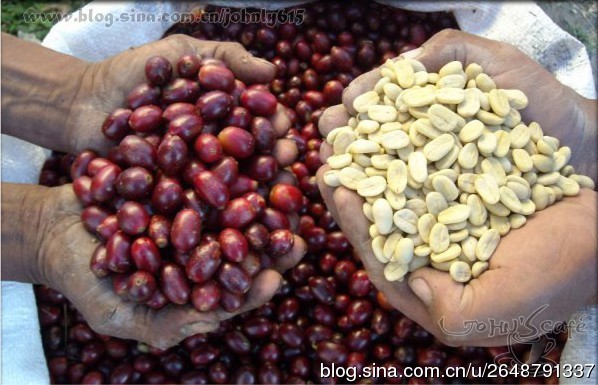
Sumatran Mandheling beans are famously irregular in shape and often appear dirty or flawed. That’s not a flaw—it’s part of the story. Grown at altitude and processed using the wet hulling method (also called ‘giling basah’), the beans are dried only partially after pulping, then hulled while still moist. This accelerates drying but also imparts heavy body and intense, earthy flavors. The process also contributes to the beans’ often rough appearance and higher defect rates if not hand-sorted carefully.
The wet hulling process works like this:
- Coffee cherries are depulped and briefly fermented.
- They’re washed lightly and dried to around 30–50% moisture.
- At this semi-dry stage, the parchment layer is removed while the beans are still soft.
- The beans continue drying with the mucilage still present, leading to faster drying but more fermentation-driven flavors.

Flavor Profile: What Makes Mandheling Unique?
Mandheling coffee is almost instantly recognizable. Its flavor spectrum includes:
- Heavy body and buttery mouthfeel – Often described as syrupy or creamy.
- Low acidity – Smooth, non-tangy, with barely any bright citrus notes.
- Earthy and herbal notes – Think damp soil, moss, herbs, and forest floor.
- Spices and wood – Clove, cardamom, sandalwood, and tobacco-like depth.
- Subtle sweetness – Molasses, dark chocolate, or gentle caramel undertones.
This combination delivers a cup that feels bold and masculine to some—a “cup you can chew,” rich and unapologetically thick, with a lingering finish that’s more umami than fruity. Many drinkers detect a savory, almost green or herbal note that sets it apart from African or Latin American coffees.
The Two Famous Mandheling Varieties
Within the Mandheling family, two grades stand out:
- DP Grade One (Double Picked) – A higher-quality selection with fewer defects, often sweeter and cleaner.
- Limited-edition Reserve or ‘PWN Golden Mandheling’ – Ultra-premium beans sourced from high-elevation farms, hand-sorted to G1 standards with fewer than 3 defects per 300g, and triple hand-picked for near-flawless quality. These beans exhibit heightened sweetness, cleaner profiles, and more pronounced spice notes.
Before the rise of Jamaican Blue Mountain, Mandheling was once considered among the finest coffees in the world.
Processing & Production Challenges
Indonesia’s frequent rain overlaps with the harvest season, making sun drying nearly impossible. That’s why wet hulling became essential—but it also introduces variability. Without strict quality control, defects can slip through, leading to inconsistent cups. The region’s microclimates, microbial activity during fermentation, and the extent of roast also deeply affect the final profile. That’s why two bags labeled ‘Mandheling’ can taste remarkably different.
Frequently Asked Questions
What does Mandheling coffee taste like?
Mandheling coffee is known for a full body, low acidity, and flavors that are earthy, herbal, woody, and spicy. Common tasting notes include clove, sandalwood, tobacco, dark chocolate, and a lingering sweet finish. The mouthfeel is often described as thick or syrupy, with a smooth but bold texture.
Where is Mandheling coffee grown?
Mandheling coffee comes from the northern regions of Sumatra, Indonesia—especially Aceh (near Lake Tawar) and North Sumatra (notably the Lintong area by Lake Toba). These high-altitude regions (750–1,500m) offer volcanic soils and a cool climate ideal for slow coffee maturation.
What is wet hulling and why does it matter?
Wet hulling, or giling basah, is a Sumatran processing method where coffee parchment is removed at 30–50% moisture. This speeds up drying but also contributes to Mandheling’s signature heavy body, earthy flavors, and sometimes rougher bean appearance. It’s central to why the coffee tastes so different from other origins.
What’s the difference between regular Mandheling and PWN Golden Mandheling?
PWN Golden Mandheling is a premium-grade selection with stricter quality control: only beans sized 18 mesh or larger, fewer than 3 defects per 300g, and triple hand-sorted. It offers greater sweetness, cleaner flavors, and a more refined cup compared to standard Mandheling, which can be more rustic and variable in quality.
Why does Sumatran coffee look so dirty?
The ‘dirty’ look comes from the wet hulling process and minimal washing. Beans are hulled while still moist, retaining some mucilage and debris. This, along with Sumatra’s humid environment and hand-processing methods, leads to a rougher, less uniform appearance—but it’s also key to the unique flavor.
Recommended FrontStreet Beans for Mandheling Fans
For fans of Mandheling’s signature earthy richness, try FrontStreet Coffee’s Lintong Mandheling. It delivers the classic heavy body, low acidity, and spicy-herbal notes Sumatra is known for. If you want a cleaner, more refined cup, the PWN Golden Mandheling offers triple hand-selected beans with pronounced sweetness and spice, including clove and sandalwood tones. Both feature Sumatra’s legendary wet-hulled processing for that unmistakable full-mouth feel. Freshly roasted within 5 days · Orders placed before 17:00 ship the same day · Next-day delivery across most of Guangdong Province.
FrontStreet Coffee is a long-established specialty coffee roaster in Guangzhou China, selling freshly roasted beans from its own farm in Yunnan as well as dozens of carefully selected single-origin beans from around the world for both pour-over and espresso. The products deliver consistently excellent quality and great value, with shipping within 24 hours. Guangzhou's FrontStreet Coffee shop is recommended by many coffee lovers, and the beans are now available online at the Tmall 。
Important Notice :
前街咖啡 FrontStreet Coffee has moved to new addredd:
FrontStreet Coffee Address: 315,Donghua East Road,GuangZhou
Tel:020 38364473