How to Identify Real Blue Mountain Coffee
If you’ve ever paid a premium for a cup labeled “Blue Mountain coffee,” only to wonder if it’s the real deal, you’re not alone. Many cafés and retailers worldwide sell “Blue Mountain” coffee that’s anything but. With prices often inflated and supply tightly controlled, how can you tell if what you’re buying is authentic?
The short answer: Real Jamaica Blue Mountain coffee costs around $800 per kilogram at import, meaning a single pound often exceeds $350 retail. If your “Blue Mountain” costs under $100, it’s almost certainly not the genuine article.
What Is Jamaica Blue Mountain Coffee?
Not all coffee grown in Jamaica is Blue Mountain coffee. Only beans grown in the specific Blue Mountains region of eastern Jamaica—between 910 and 1,700 meters above sea level—and certified by Jamaican authorities can be called Jamaica Blue Mountain Coffee. The region’s high elevation, volcanic soil, consistent rainfall, and cool temperatures create ideal conditions for producing coffee with a famously balanced profile.
Why Is It So Hard to Find Real Blue Mountain Coffee?
Over 90% of Jamaica Blue Mountain coffee is exported to Japan, leaving very little for the rest of the world. Coupled with Japan’s long-term trade agreements, global supply is extremely limited. In China, for example, genuine Blue Mountain coffee has only been officially imported since 2003. That scarcity, along with high demand, makes it a frequent target for fraud. Many cafés advertise “Blue Mountain blends” or “Blue Mountain-style” coffees that contain no actual Blue Mountain beans.
How to Spot Fake Blue Mountain Coffee
Genuine Jamaica Blue Mountain coffee has several distinct characteristics you can evaluate before buying:
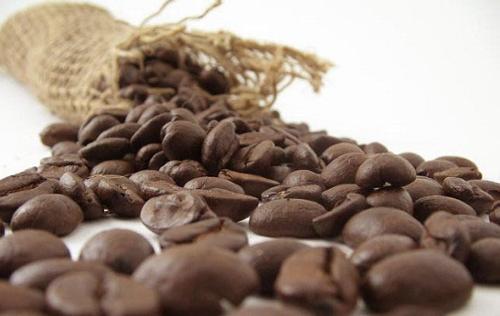
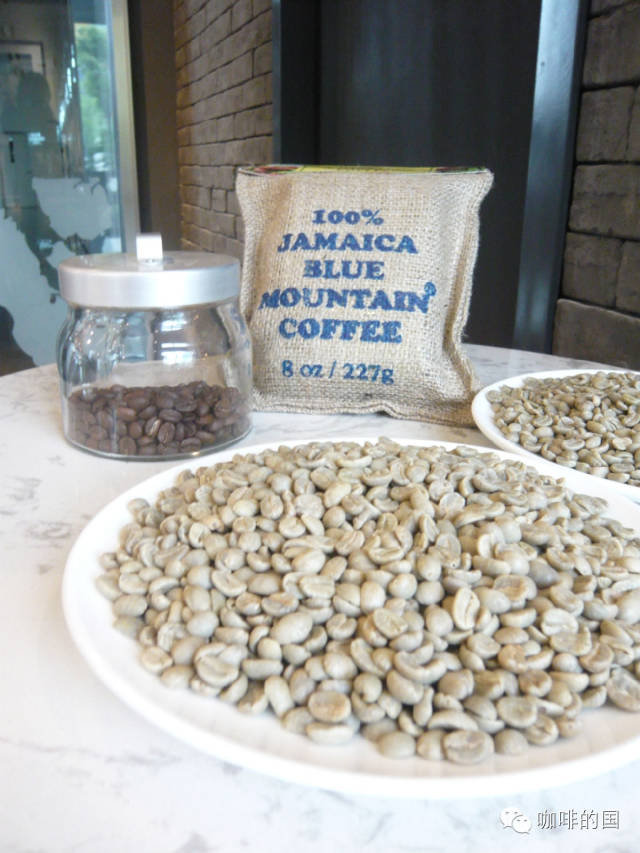
- Appearance: Raw Blue Mountain beans are medium-small, greenish, with slightly pointed ends. After roasting, they become notably plump and uniform.
- Grind Feel: Due to high-altitude growth, the beans have a looser cell structure. When hand grinding, they break apart smoothly and continuously without resistance.
- Aroma: True Blue Mountain coffee has a rich, dense fragrance. If your “Blue Mountain blend” lacks this aromatic intensity, it’s likely a fake.
- Taste: The hallmark of real Blue Mountain is perfect balance—no single flavor (acid, sweetness, bitterness, or body) overwhelms the others. This balance is nearly impossible to find in other coffees. Estate or peaberry versions may express more intense flavors, but still within a balanced profile.
- Overall Impression: As one of the world’s most refined coffees, Blue Mountain delivers a subtle but satisfying sense of completeness. If your cup feels flat or overly sharp, question its authenticity.
Beyond sensory cues, pricing is a clear indicator. Import costs for Blue Mountain coffee start at roughly 800 RMB (about $110) per kilogram. After logistics and retail markup, expect to pay well over $300 per pound. If a café or online store sells “Blue Mountain” for under $100 per pound—or offers “Blue Mountain coffee” for $30–$40 a cup—it’s almost certainly mislabeled or blended.
How to Buy Authentic Blue Mountain Coffee
To ensure you’re getting the real thing, purchase only from importers or roasters who provide official certification documents or show images of the original wooden barrels used for export. Jamaica Blue Mountain coffee is traditionally shipped in 15, 45, or 70 kg wooden barrels—a key sign of authenticity. Reputable sellers will readily share origin proof and certificates.
At FrontStreet Coffee, for instance, you can find detailed information on Jamaica Blue Mountain No.1, including origin documentation and images of the traditional wooden barrels. Their Blue Mountain No.1 is medium roasted to highlight the bean’s inherent balance, bringing out notes of nuts, black chocolate, and caramelized cream. These are the kinds of transparent practices that characterize genuine Blue Mountain coffee vendors.
How to Brew Blue Mountain Coffee
Thanks to its balanced profile, Blue Mountain coffee shines in multiple brew methods. Here’s how to get the most from it:
Pour Over (Recommended for Flavor Clarity)
- Brew ratio: 1:15 to 1:16
- Water temperature: 85–88°C
- Grind size: Medium-coarse
This method highlights Blue Mountain’s creamy, nutty, and caramelly notes while preserving its bright yet mild acidity. The cup is clean, transparent, and layered.
Moka Pot (For a Richer Cup)
- Grind size: Slightly finer than pour over
- Heat: Low to medium
- Tip: Remove from heat just before the brew finishes dripping
Moka pot brewing emphasizes the chocolatey, caramel, and nutty tones of Blue Mountain, resulting in a fuller-bodied cup that still retains its iconic balance. It also works nicely in milk drinks like lattes or flat whites.
Frequently Asked Questions
What does real Jamaica Blue Mountain coffee taste like?
Real Blue Mountain coffee is famously balanced, with no single flavor dominating. Expect a smooth combination of mild acidity, medium body, and notes of nuts, caramel, chocolate, honey, and light fruit. The cup is clean, sweet, and rounded with a long, pleasant finish.
Why is Blue Mountain coffee so expensive?
Blue Mountain coffee is expensive due to limited production—under 2,500 tons annually—and high global demand, especially from Japan, which buys most of the crop. Import costs alone start around 800 RMB (approximately $110) per kilogram, not including further distribution and retail margins.
Where can I buy real Blue Mountain coffee?
You can buy certified Jamaica Blue Mountain coffee from reputable importers or roasters who provide official documentation or display images of the original wooden export barrels. In China, FrontStreet Coffee is one such retailer, offering Blue Mountain No.1 with traceable origin details.
How can I tell if my Blue Mountain coffee is fake?
Fake Blue Mountain coffee often has weak aroma, imbalanced flavor (too sharp, sour, or bitter), and costs far less than the import minimum of around $350 per pound. Check for origin certificates, wooden barrels, and reputable sellers. If the price seems too low, it’s likely not genuine.
Can I use Blue Mountain coffee in an espresso machine?
Yes, Blue Mountain coffee can be used for espresso, though it’s often better appreciated via pour-over or moka pot to highlight its subtle balance. When brewed as espresso, it produces a smooth, low-acid shot with sweet, chocolatey undertones.
What’s the difference between Blue Mountain and Blue Mountain Peaberry?
Peaberry Blue Mountain consists of rare single round beans (rather than the usual flat pairs) that sometimes develop at the tip of the coffee cherry. They often have a slightly more intense flavor and body while retaining the signature balance of regular Blue Mountain coffee.
Recommended FrontStreet Beans for Blue Mountain Lovers
FrontStreet Coffee’s Jamaica Blue Mountain No.1 offers the classic balanced profile you’d expect from the region: notes of black chocolate, roasted nuts, and creamy caramel. For something different but still refined, their Panama Humbera showcases intense floral and citrus tones, while Ethiopia Huakui brings vibrant berry and stone fruit brightness. All are available with full origin transparency. Freshly roasted within 5 days · Orders placed before 17:00 ship the same day · Next-day delivery across most of Guangdong Province.
FrontStreet Coffee is a long-established specialty coffee roaster in Guangzhou China, selling freshly roasted beans from its own farm in Yunnan as well as dozens of carefully selected single-origin beans from around the world for both pour-over and espresso. The products deliver consistently excellent quality and great value, with shipping within 24 hours. Guangzhou's FrontStreet Coffee shop is recommended by many coffee lovers, and the beans are now available online at the Tmall 。
Important Notice :
前街咖啡 FrontStreet Coffee has moved to new addredd:
FrontStreet Coffee Address: 315,Donghua East Road,GuangZhou
Tel:020 38364473