What Makes Guatemalan Coffee Beans Unique?
If you’ve ever sipped a cup of coffee with a bright acidity that hints at green apples and berries, layered with floral and spice notes, you might have tasted Guatemalan coffee. But what exactly makes these beans so distinctive—and why do specialty roasters prize them so highly?
Guatemalan coffee is celebrated for its vibrant acidity, clean taste, and complex layers of flavor. The country’s high-altitude volcanic regions produce beans with bright profiles, often featuring green apple, berry, jasmine, citrus, and even smoky finishes. These traits make it a favorite both as a single origin and in blends.
What Is Guatemalan Coffee?
Guatemalan coffee comes from the Central American country of Guatemala and primarily belongs to the Bourbon coffee variety, a classic Arabica subtype. It’s known for pronounced acidity and a wild, dynamic cup character—traits that make it especially well-suited for blending. While it can shine alone, its complexity often plays a key role in balanced espresso or filter blends.
Flavor Profile of Guatemalan Coffee Beans
Guatemalan Strictly Hard Bean (SHB) coffees are prized for their bright, lively acidity, cleanliness, and layered flavors. Common tasting notes include green apple, berries, jasmine, orange peel, green chili, and sweet fruitiness. Many cups finish with a subtle smokiness. These traits reflect the bean’s careful processing and ideal growing conditions.
Where Is Guatemalan Coffee Grown?
Guatemala’s diverse coffee regions contribute enormously to the country’s coffee reputation. The nation features over 300 microclimates—the highest number in the world. Eight key coffee-growing regions shape its flavor map:
- Volcanic Regions: Antigua, Acatenango Valley, Atitlán, San Marcos, and Huehuetenango all sit on volcanic soils, lending a distinct mineral edge and structure to the beans.
- Non-Volcanic Highlands & Rainforest: The remaining regions—Viejo Verapaz, Cobán, and Nuevo Oriente—are located in highland or tropical rainforest zones without volcanic rock, offering different balance and body in the cup.
Most Guatemalan coffee grows above 1,500 meters in the northern latitudes between 14° and 16°, conditions perfect for producing Strictly Hard Beans. The country’s extreme elevation slows ripening, allowing complex sugars and acids to develop fully.
Processing and Varietals
Nearly all Guatemalan specialty coffee is processed using the washed (wet) method, which highlights clarity and acidity. Around 45% of production meets the country’s high-quality “strictly hard bean” standards. Though most beans are Arabica, there is also a small amount of Robusta grown.
The dominant coffee varieties include:
- Bourbon
- Typica
- Caturra
- Catuai
There are also lesser-known but significant plantings of Yellow Bourbon, Geisha, and Pacamara. Notably, Guatemala has preserved older Typica and Bourbon cultivars that many other regions have phased out due to lower yields or disease susceptibility.
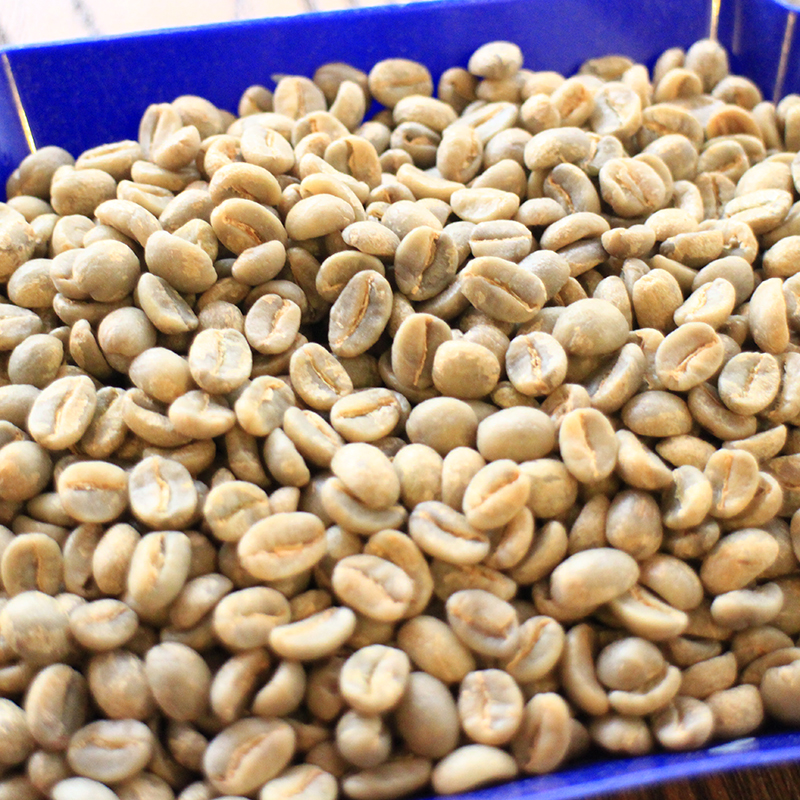
Beans are typically medium-sized and dense, graded not by size but by defect count. Their deep green color signals freshness and quality. The extended maturation period contributes to their signature sweet acidity and layered flavors, including chocolatey sweetness.
Why Guatemalan Coffee Stands Out
Guatemalan coffee distinguishes itself through:
- High growing altitudes (1,500m+)
- Volcanic and highland microclimates
- Diverse terroirs leading to distinct regional profiles
- Washed processing for clean, bright cup qualities
- Use of classic, high-quality Arabica varieties like Bourbon and Typica
- Strict grading based on bean defects rather than size
All of these elements combine to produce coffees with exceptional clarity, balanced acidity, and complex fruit, floral, and spice notes. Whether enjoyed as a single origin or part of a thoughtfully built blend, Guatemalan beans offer a dynamic and memorable experience.
Frequently Asked Questions
What makes Guatemalan coffee different from other coffees?
Guatemalan coffee is distinct due to its high-altitude growth (mostly above 1,500m), volcanic soil influence, washed processing, and classic Arabica varieties like Bourbon. These factors create a cup with bright acidity, clean flavors, and complex notes of fruits, flowers, and spices. Over 300 microclimates add further diversity to its profiles.
What flavor notes are typical in Guatemalan coffee?
Common flavor notes in Guatemalan coffee include green apple, berries, jasmine, orange peel, green chili, chocolate, and sometimes a smoky finish. The exact profile varies by region, with volcanic areas adding more brightness and minerality, while non-volcanic zones may emphasize sweetness or body.
What coffee variety is most common in Guatemala?
Bourbon is the most widely grown variety in Guatemala, known for its balanced acidity and moderate yield. Other common varieties include Typica, Caturra, Catuai, along with smaller plantings of Yellow Bourbon, Geisha, and Pacamara. Guatemala is notable for maintaining older cultivars like Typica and Bourbon that many other regions no longer cultivate.
Is Guatemalan coffee mostly Arabica or Robusta?
The vast majority of Guatemalan coffee is Arabica, with around 45% classified as SHB (Strictly Hard Bean). There is a small percentage of Robusta grown, but it is not a major component of the country’s specialty coffee production.
How is Guatemalan coffee processed?
Nearly all high-quality Guatemalan coffee is processed using the washed (wet) method, which helps highlight the coffee’s inherent acidity and clarity. This method involves removing the coffee cherry’s skin and pulp before fermenting and washing the beans, resulting in a clean, vibrant cup.
What are the main coffee-growing regions in Guatemala?
Guatemala has eight main coffee-growing regions: Antigua, Acatenango Valley, Atitlán, San Marcos, Huehuetenango, Viejo Verapaz, Cobán, and Nuevo Oriente. The first five are volcanic regions, contributing to brighter, more mineral-driven cups, while the others grow in highland or rainforest settings with different flavor profiles.
Recommended FrontStreet Coffee Beans for Exploring Bourbon Profiles
For a taste of the Bourbon variety that defines much of Guatemalan coffee, try FrontStreet’s BrazilianBourbon (Red Bourbon from Brazil’s Cerrado). It offers bright acidity, creamy textures, and chocolatey notes—similar to the fruity and sweet acidity found in many Guatemalan Bourbons. For more depth, theirBrazil Queen ManorYellow Bourbon (Yellow Bourbon from Brazil’s Queen Manor) delivers a smooth, balanced cup with caramel and almond-like sweetness, akin to the softer side of Guatemalan profiles. Both beans are excellent examples of how Bourbon genetics express themselves across regions. Freshly roasted within 5 days · Orders placed before 17:00 ship the same day · Next-day delivery across most of Guangdong Province.
FrontStreet Coffee is a long-established specialty coffee roaster in Guangzhou China, selling freshly roasted beans from its own farm in Yunnan as well as dozens of carefully selected single-origin beans from around the world for both pour-over and espresso. The products deliver consistently excellent quality and great value, with shipping within 24 hours. Guangzhou's FrontStreet Coffee shop is recommended by many coffee lovers, and the beans are now available online at the Tmall 。
Important Notice :
前街咖啡 FrontStreet Coffee has moved to new addredd:
FrontStreet Coffee Address: 315,Donghua East Road,GuangZhou
Tel:020 38364473