Brazilian Natural Bourbon Beans from South Minas
If you’ve ever tasted a Brazilian coffee that’s low in acidity, heavy on nuts, and finishes with a touch of dry earth, you’re tasting the results of the country’s unique growing conditions. Most Brazilian farms sit between 600–1000 meters, where flat terrain, full sun, and minimal microclimates shape a distinct soft-bean profile. But what happens when elevation rises and regional climate shifts? The answer lies in the lesser-known highlands of South Minas.
The key difference comes down to altitude and geography: regions like South Minas and the Cerrado plateau rise over 1100 meters, gain stronger day-night temperature swings, and develop more complex microclimates—ideal for cultivating brighter, fruitier Bourbon varieties. This guide explains how those factors turn the classic Brazilian profile on its head.
Why Brazilian Coffee Tastes Different
Brazil is the world’s largest coffee producer, but its most common growing areas—vast, flat plantations at moderate elevations—create conditions that discourage the bright, acidic profiles found in African or Latin American highland coffees. The lack of shading trees, combined with mostly full-sun farming, leads to what Brazilian roasters call “soft beans”: coffees with low acidity, heavy nut tones, prominent chocolate sweetness, and a heavier body. Floral and citrus notes are rare. Think less Yirgacheffe, more caramelized hazelnut.
South Minas: A High-Altitude Exception
Not all Brazilian coffee fits the stereotype. In the western Cerrado plateau and especially the South Minas region—where elevations consistently exceed 1100 meters—the landscape becomes more varied. Here, distinct wet and dry seasons, greater diurnal temperature variation, and localized microclimates allow for more nuanced cup profiles. These conditions are ideal for growing Bourbon and Yellow Bourbon varieties, which express greater complexity than their lowland counterparts. Alongside nearby Mogiana, these two regions form the backbone of Brazil’s specialty coffee output.
This Season’s Natural Process Bourbon & Catuai from South Minas
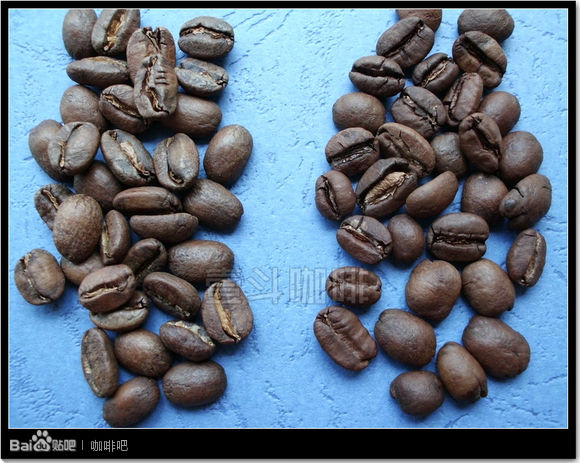
The beans in question were grown in South Minas at 1000–1200 meters above sea level, using a semi-washed (pulped natural) process. The varieties are Bourbon and Catuai, both known for their balance and structure when grown at altitude. The lot was classified as SC14/SC16, indicating a high-quality screen size and minimal defects. Roasted to a medium level—a common choice for Brazilian beans to highlight their inherent sweetness and body without over-roasting—the cup delivers notes of roasted sunflower seeds, deep chocolate, and a full, rounded mouthfeel. The finish lingers with a gentle sweetness and a malt-like aftertaste. It’s a classic representation of how elevation and processing can reshape Brazil’s typical flavor palette.
What Does SC14/SC16 Mean?
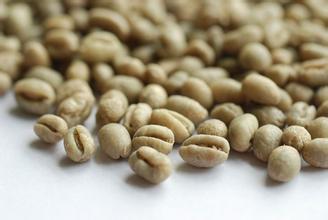
Brazilian coffee grades often use numbers like SC14 or SC16 to classify bean size. These refer to the minimum sieve passing rate: SC14 means at least 14/64-inch (about 5.5mm), and SC16 means 16/64-inch (about 6.3mm). Higher grades like SC16 indicate larger, denser beans that typically roast more evenly and have a higher potential for cup quality. This lot’s classification ensures a consistent base for specialty roasting.
How Processing Affects Brazilian Flavor
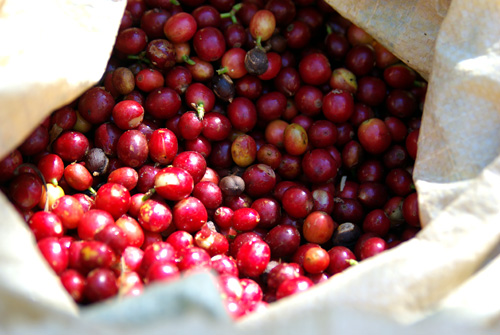
This coffee was processed using a pulped natural (or “semi-washed”) method: the skin is removed, but some or all of the mucilage remains during drying. In Brazil’s dry climate, this technique enhances sweetness and body while maintaining clarity. Compared to fully washed coffees, pulped naturals tend to have more pronounced fruit and caramel notes, though still restrained compared to fully natural Ethiopian or Kenyan lots. The result here is a cup that’s rounded and approachable, with the trademark Brazilian chocolate tone lifted by the bourbon genetics and altitude.
Frequently Asked Questions
What makes South Minas coffee different from other Brazilian regions?
South Minas sits at higher elevations (1100+ meters) with more varied terrain, distinct wet and dry seasons, and greater temperature swings than Brazil’s typical flat, low-elevation farms. These factors support brighter, more complex flavors in varieties like Bourbon, compared to the low-acid, heavy nut and chocolate profiles common in lower regions.
What is the SC14/SC16 grade in Brazilian coffee?
SC14 and SC16 refer to the minimum bean size that passes through sieves of 14/64-inch and 16/64-inch respectively. SC16 beans are larger and generally denser, leading to more even roasting and often higher cup quality. This classification helps ensure consistency in specialty lots.
What does “semi-washed” or pulped natural mean?
Pulped natural processing removes the coffee cherry skin but leaves some or all of the sticky mucilage on the bean while it dries. In Brazil’s dry climate, this enhances sweetness and body while preserving clarity. The result is often a cup with more fruit and caramel notes than a washed coffee, but less fermentation intensity than a full natural.
Why are Bourbon beans more expressive at higher altitudes?
Higher elevations slow coffee cherry maturation, allowing more complex sugars and acids to develop. For Bourbon—a variety known for its balanced profile—this results in greater nuance, with brighter acidity and more defined fruit or floral tones when grown above 1100 meters, compared to flatter, hotter regions.
What roast level is best for Brazilian natural process coffee?
Medium roast is commonly used for Brazilian beans to highlight their inherent sweetness, body, and chocolate notes without burning off delicate aromatics. Over-roasting can flatten the profile, while under-roasting may not fully develop the inherent sweetness these beans are known for.
Recommended FrontStreet Beans from South Minas & Cerrado
For a taste of high-altitude Brazilian specialty coffee, try FrontStreet Coffee’s classic lots. The Brazil Queen Manor Yellow Bourbon offers clean fruitiness with notes of sugarcane and chocolate—rare fruit clarity from Mogiana near South Minas. For a more classic Brazilian profile, FrontStreet’s half-washed (pulped natural) Seleção 785 from Sul de Minas showcases caramel, nuts, and chocolate in a well-balanced cup. Both highlight Bourbon’s potential when grown at elevation. Freshly roasted within 5 days · Orders placed before 17:00 ship the same day · Next-day delivery across most of Guangdong Province.
FrontStreet Coffee is a long-established specialty coffee roaster in Guangzhou China, selling freshly roasted beans from its own farm in Yunnan as well as dozens of carefully selected single-origin beans from around the world for both pour-over and espresso. The products deliver consistently excellent quality and great value, with shipping within 24 hours. Guangzhou's FrontStreet Coffee shop is recommended by many coffee lovers, and the beans are now available online at the Tmall 。
Important Notice :
前街咖啡 FrontStreet Coffee has moved to new addredd:
FrontStreet Coffee Address: 315,Donghua East Road,GuangZhou
Tel:020 38364473