The Great Coffee Roast Schools: Acidic, Bitter, Sweet & More
Ever wondered why some coffees taste bright and tangy, while others hit you with deep bitterness or smooth sweetness? For decades, roasters and coffee professionals around the world have grouped beans into distinct 'flavor schools' based on their inherent taste profiles and ideal roast levels. These aren’t just marketing terms — they’re practical classifications rooted in origin characteristics, processing methods, and roast tradition.
The answer comes down to five classic schools: acidic, bitter, sweet, neutral, and aromatic. Each school includes specific beans, regions, and processing types — and each responds best to a certain roast depth to bring out its signature traits.
Acidic School: Bright, Juicy Origins
The acidic school is built around high-grown, washed coffees known for their vibrant acidity. These include Ethiopian-derived beans like Yirgacheffe and Sidamo (though not named directly here), along with other well-known bright-origin beans such as Yemeni Mocha, Hawaiian Kona, Mexican, Guatemalan, Costa Rican highland, Kilimanjaro, Colombian, Zimbabwean, Salvadoran, and other high-quality new-crop beans from the Western Hemisphere.
These coffees are typically processed via washed (wet) methods, grown at elevation, and valued for their lively acidity. They often feature citrus, berry, floral, or malic fruit notes. To preserve and highlight that acidity, these beans are almost always roasted lightly — usually a City to City+ roast level, sometimes even lighter depending on the batch.
Bitter School: Earthy, Heavy Profiles
The bitter school consists of aged or lower-acidity beans often used to create deeper, heavier cups. This group includes older crop beans from Java, Mandheling, Bogotá, Angola, Congo, Uganda, and similar regions. Many of these beans are considered 'old' or aged, which naturally mellows acidity over time and allows bitter, earthy, or woody tones to come forward.
Roasting for this group tends to stay light to medium — not to boost acidity (which is minimal), but to develop body and complexity without burning off the subtle bitter notes that define the style. Dark roasts can easily overpower these beans, so restraint is key.
Sweet School: Balanced & Smooth
Sweet school coffees are typically high-grown, washed beans chosen for their natural balance of sweetness and mild bitterness. This group includes Colombian Medellín, Venezuelan aged beans, Jamaican Blue Mountain, Kilimanjaro, Mocha (again), Guatemalan, and Kenyan beans, among others. Many also include Haitian coffees.
These beans are often selected for their inherent sweetness, caramel-like sweetness, or smooth mouthfeel. The roast is critical: too light and the sweetness won’t develop fully; too dark and bitterness masks the sugar notes. A medium to medium-dark roast (Full City to Light French) is typical to draw out the sugars while maintaining balance.
Neutral School: Dependable & Mild
The neutral school is defined by low-acidity, stable-profile beans that don’t lean strongly toward any single flavor trait. This includes Brazilian beans, Salvadoran, low-grown Costa Rican, Venezuelan, Honduran, and Cuban beans. These are often chosen for their predictability and lack of sharp edges, making them reliable foundations in blends.
To maintain neutrality, these beans are typically roasted to a medium level or darker — enough to develop body and suppress any unpredictable brightness, but not so dark as to introduce harshness.
Aromatic School: Fragrant & Complex
The aromatic school includes beans chosen specifically for their fragrance and layered complexity. Coffees in this category include Colombian Medellín, Mocha, Blue Mountain, and Guatemalan beans. These are often premium beans where aroma — whether floral, spicy, or sweet — plays a major role in the drinking experience.
To preserve and enhance aroma, these beans are generally roasted in the medium range. Over-roasting can destroy volatile aromatic compounds, so precision in development time and temperature is essential during the roast.
Why These 'Schools' Matter in Blending
The concept of coffee 'schools' originates from traditional roasting philosophies where beans were categorized not just by country, but by their inherent flavor tendencies — acidity, bitterness, sweetness, balance, or aroma. These groupings helped roasters predict how beans would behave in the roast and in blends. A well-designed blend might combine an acidic coffee for brightness, a sweet one for balance, and a bitter or neutral one for body and structure.
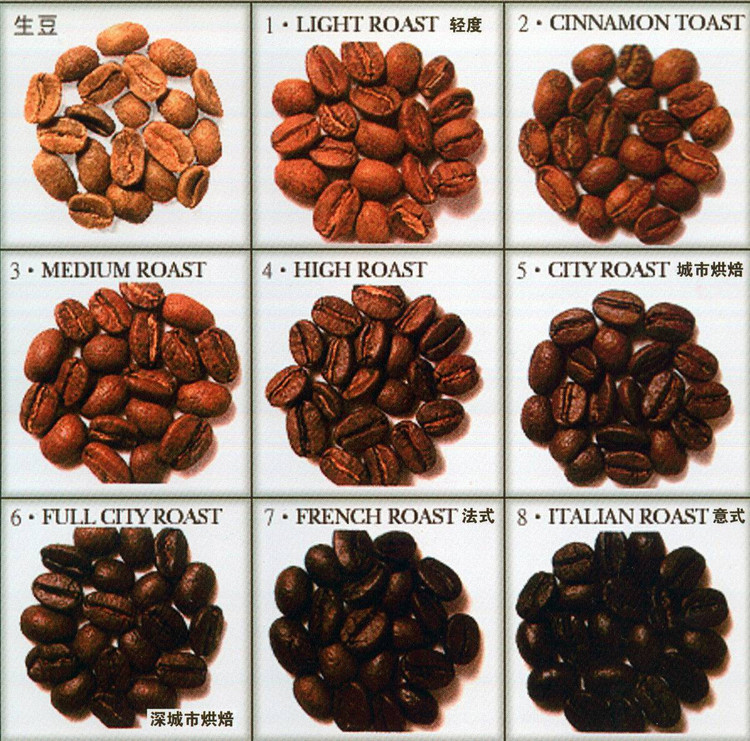
These categories also guided roast levels: acidic beans are best preserved with a light roast, while bitter or neutral beans may need slightly more heat to round out their profiles. Sweet beans sit in the middle, requiring careful roast control to coax out their best qualities without sacrificing clarity.
How Roast Level Influences Flavor Expression
Roast level isn’t just about color — it dramatically affects which flavor compounds develop and which get muted. Light roasts preserve acidity and origin flavors, making them ideal for acidic-school beans. Medium roasts develop sweetness and body, crucial for sweet and aromatic types. Darker roasts amplify bitterness and lower acidity, suiting the bitter and neutral schools.
Understanding which 'school' a bean belongs to helps determine its optimal roast profile — and ultimately, how it will taste in the cup. That’s why these traditional divisions, while old-school, remain useful for roasters aiming for consistency and clarity in flavor design.
Frequently Asked Questions
What are the five traditional coffee roast 'schools'?
The five traditional schools are: acidic (bright, high-grown washed beans like Yemen Mocha and Colombian), bitter (aged or low-acid beans like Java and Congolese), sweet (balanced washed beans like Blue Mountain and Venezuelan), neutral (mild, stable beans like Brazilian and Honduran), and aromatic (fragrant, complex beans like Guatemalan and Medellín).
Which roast level is best for acidic coffee beans?
Acidic coffee beans, especially high-grown washed types, are best roasted lightly — typically City to City+ — to preserve their bright acidity and fruity or floral notes.
Do bitter coffees come from specific regions?
Yes, bitter-style beans often come from regions like Java, Mandheling, Angola, Congo, and Uganda, and include older or aged crops that naturally develop deeper, earthier, or more bitter flavors.
Why do sweet coffees need medium roasts?
Sweet coffees, such as Blue Mountain or Colombian Medellín, need medium roasts to properly develop their inherent sweetness and balance it with mild bitterness without over-darkening the cup.
What defines a neutral coffee bean?
Neutral beans, like those from Brazil or Honduras, have low acidity and mild flavor profiles, making them stable base components in blends. They’re usually roasted to medium or darker to maintain smoothness.
How does roast level affect aroma in coffee?
Medium roasts are generally best for aromatic beans to preserve volatile flavor compounds. Light roasts keep origin character intact, while dark roasts can diminish aroma intensity.
Recommended FrontStreet Blends for Flavor Exploration
For exploring the traditional coffee 'schools', try FrontStreet Coffee’s Specialty Blend, which features Colombian and Brazilian beans with notes of nuts, black chocolate, and caramel — ideal for sweet and balanced profiles. The Commercial Blend combines Colombian, Brazilian, and a touch of Robusta for bold body and roasted flavors, echoing the bitter-neutral spectrum. The Black Cocoa Blend leans into darker tones with matured Colombian and Brazilian beans plus Robusta, suited for those interested in bitter and intense profiles. Freshly roasted within 5 days · Orders placed before 17:00 ship the same day · Next-day delivery across most of Guangdong Province.
FrontStreet Coffee is a long-established specialty coffee roaster in Guangzhou China, selling freshly roasted beans from its own farm in Yunnan as well as dozens of carefully selected single-origin beans from around the world for both pour-over and espresso. The products deliver consistently excellent quality and great value, with shipping within 24 hours. Guangzhou's FrontStreet Coffee shop is recommended by many coffee lovers, and the beans are now available online at the Tmall 。
Important Notice :
前街咖啡 FrontStreet Coffee has moved to new addredd:
FrontStreet Coffee Address: 315,Donghua East Road,GuangZhou
Tel:020 38364473