How to Identify and Select High-Quality Green Coffee Beans
If you’ve ever opened a bag of green coffee beans and wondered why some roast unevenly or taste off, the answer often starts long before roasting—right at selection. Not all green beans are created equal. Knowing what separates high-quality beans from defective ones can make the difference between a great cup and a disappointing brew.
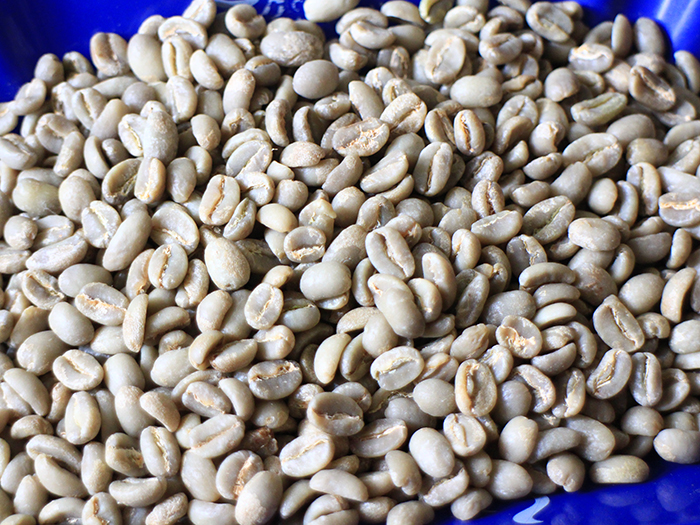
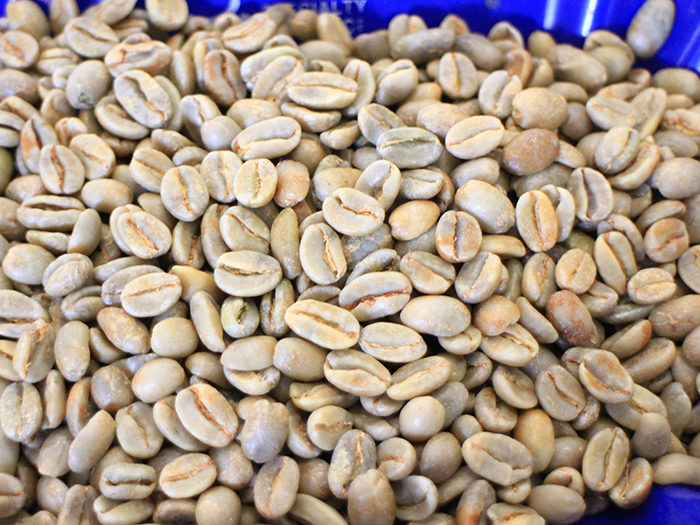
The key traits of high-quality green coffee are consistent color, uniform bean size, a smooth and glossy surface, and minimal defects. Color variation, inconsistent size, or visible damage often signal poor processing, low grade, or damaged beans. For best results, always choose beans that are uniformly colored and similarly sized.
What Makes a Green Coffee Bean 'High Quality'?
When evaluating green coffee, start visually. Fresh, high-quality beans have a natural sheen on the surface. For washed coffees, a uniform pale green or bluish-green hue indicates proper processing. Uneven coloration—patches of yellow, brown, or black—means the batch may have been poorly handled or mixed. Always reject beans with inconsistent coloring.
Equally important is bean size. Uniformity in size reflects careful sorting and quality control during harvesting and processing. Inconsistent sizes lead to uneven roasting: smaller beans may over-roast while larger ones remain under-developed. The result? A blend that tastes both sour and bitter in the same cup.
Beyond appearance, grading systems help identify bean quality. Most countries sort beans by size, density, and defect count. Higher grades indicate fewer defects and more uniform beans—both critical for balanced roasting and flavor.
Understanding Coffee Bean Defects
Defective beans are more than just unsightly—they can ruin a batch. Here are the most common types and their impact:
- Quakers / Immature Beans: Underripe beans that remain pale (ivory-colored) after roasting. They taste grassy or sour and lack sweetness.
- Black Beans / Fermented Beans: Caused by over-fermentation or improper washing. These beans emit a foul, moldy, or sour stench and taste rancid.
- Shells / Broken Beans: Often the result of mechanical damage during hulling. They roast unevenly and contribute off-flavors.
- Cherry Pits / Stones: Not actual coffee beans, these stones damage grinders and add no flavor.
- Insect-Damaged Beans: Damaged by the coffee berry borer, these beans have small holes and often bring musty or fermented taints.
- Moldy Beans: Develop when beans are stored in humid conditions. Mold spreads quickly and ruins the flavor of the entire lot.
Even a few defective beans can compromise the flavor profile of your roast. Always inspect your green coffee carefully or buy from trusted sources with rigorous quality control.
Why Ethiopian Sidamo Stands Out
Ethiopian Sidamo, grown between 1,400–2,200 meters in Ethiopia’s southern highlands, is a prime example of high-quality specialty coffee. Bordering Kenya, this region produces washed Sidamo beans that are small to medium in size, oval-shaped, and dense. Their appearance is slightly greyish with natural variations, and their flavor profile is complex and vibrant.
Washed Sidamo beans typically exhibit a gentle yet bright citrus acidity—especially lemon—along with floral notes and a smooth, sweet finish. The region’s diverse microclimates, volcanic soils, and rich heirloom variety (Ethiopia’s native wild coffee genetics) contribute to its distinctive cup character.
Sidamo’s elevation and organic-rich, well-drained soils—nourished by decaying forest litter—create ideal conditions for high-quality coffee development. The area features rolling hills, valleys, and plains, contributing to terroir-driven differences even within the same region.
The Ethiopian coffee grading system classifies Sidamo washed beans as Grade 2 (G2), indicating high quality with minimal defects. These beans regularly scored between 92–94 points by Coffee Review between 2010–2012—an exceptional achievement.
Flavor notes commonly found in Sidamo include wild jasmine, honey, citrus, and lemon. When brewed well, these beans offer a clean, lively cup with a structured acidity, medium body, and a sweet, lingering finish.
How to Choose Green Coffee Beans
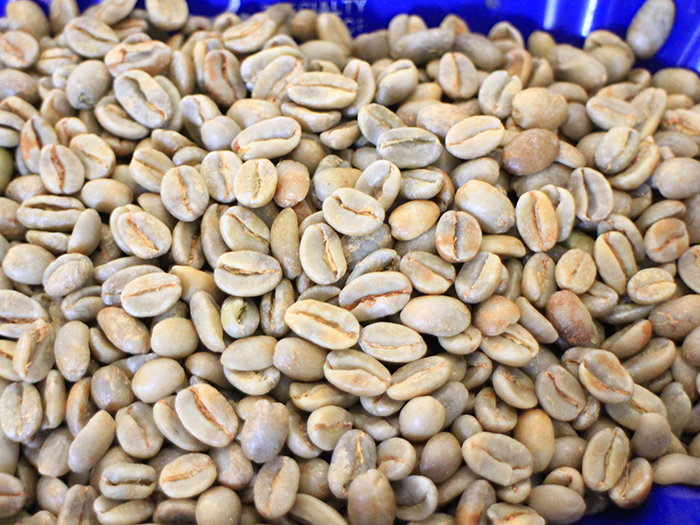
When sourcing green coffee—whether for roasting or cupping—follow these guidelines:
- Look for uniform color: Avoid beans with blotchy or inconsistent hues.
- Check bean size consistency: Uniformity ensures even roasting.
- Inspect for defects: Remove or avoid beans that are black, broken, fermented, or insect-damaged.
- Understand grading: Higher grades (like G1 or G2) usually mean better quality and fewer defects.
- Know your processing method: Washed beans (like Sidamo) often highlight clarity and acidity, while naturals show more fruitiness.
- Buy from reputable suppliers: Especially when purchasing specialty-grade beans.
Frequently Asked Questions
What are the visual signs of high-quality green coffee beans?
High-quality green beans have a smooth, slightly glossy surface and uniform color. For washed beans like Sidamo, expect a light green or bluish tone. Avoid beans with patches of brown, yellow, or black, which suggest poor processing or defects.
Why is bean size consistency important in green coffee?
Uniform bean size ensures even roasting. When beans vary in size, smaller ones may roast darker while larger ones stay lighter, leading to a mix of over- and under-developed flavors in the cup.
What are the most common defects in green coffee beans?
Common defects include quakers (immature ivory beans), black or fermented beans (with bad odors and sour taste), broken or chipped beans, insect-damaged beans (with holes), and moldy beans. These can all negatively affect roast quality and cup flavor.
What makes Ethiopian Sidamo coffee unique?
Sidamo coffee is grown at high elevations (1,400–2,200m) in Ethiopia’s volcanic soil-rich highlands. It is known for its bright citrus acidity (like lemon), floral notes, smooth mouthfeel, and complex flavors such as wild jasmine and honey. Washed Sidamo beans are typically Grade 2 with very low defect rates.
How does coffee grading affect quality?
Grading systems (like Ethiopia’s G1 and G2) classify beans based on size, density, and defect count. Lower grades have more defects and size variation, while higher grades (like G2) indicate better uniformity and fewer flaws—key for specialty roasting.
What flavor notes are typical in Sidamo washed coffee?
Sidamo washed coffee often features citrus (especially lemon), floral (like jasmine), honey, and gentle spice or herbal notes. The cup is typically bright, clean, and sweet with a medium body and a smooth finish.
Recommended FrontStreet Beans from Sidamo
For fans of Ethiopian Sidamo, FrontStreet Coffee offers a range of beans that highlight the region’s signature qualities. The FrontStreet Coffee Ethiopia Sidamo Washed presents classic Sidamo traits: bright citrus acidity, floral aromas, and a smooth, honey-like sweetness. Another excellent option is the FrontStreet Coffee Ethiopia Guji Natural, which shares the high-altitude complexity and wild fruit notes typical of the wider Ethiopian region. Both beans showcase the crisp, clean profiles that make Sidamo so sought-after. Freshly roasted within 5 days · Orders placed before 17:00 ship the same day · Next-day delivery across most of Guangdong Province.
FrontStreet Coffee is a long-established specialty coffee roaster in Guangzhou China, selling freshly roasted beans from its own farm in Yunnan as well as dozens of carefully selected single-origin beans from around the world for both pour-over and espresso. The products deliver consistently excellent quality and great value, with shipping within 24 hours. Guangzhou's FrontStreet Coffee shop is recommended by many coffee lovers, and the beans are now available online at the Tmall 。
Important Notice :
前街咖啡 FrontStreet Coffee has moved to new addredd:
FrontStreet Coffee Address: 315,Donghua East Road,GuangZhou
Tel:020 38364473