How to Handpick Quality Coffee Green Beans
When you buy green coffee beans, how do you know if they’re any good? Most specialty roasters rely on visual inspection before roasting—but if you're buying beans directly, how can you tell high quality from low? Whether you’re sourcing for a roastery or cupping at home, identifying defects and understanding bean grading makes a real difference in the final cup.
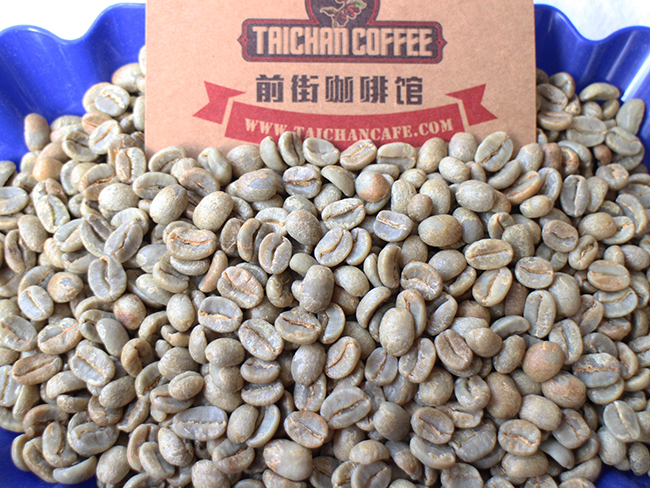
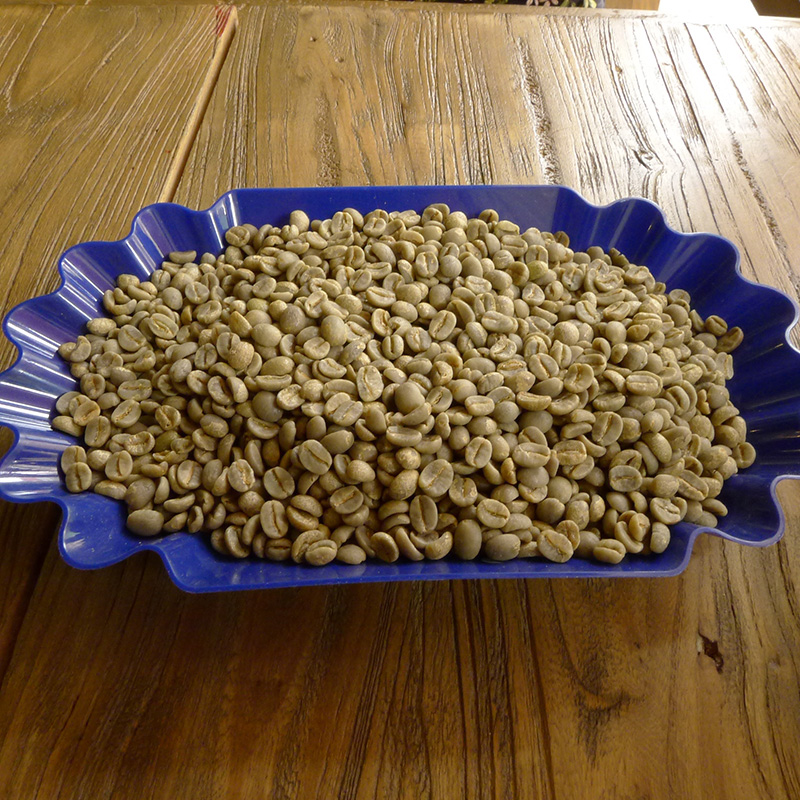
To pick high-quality green coffee beans, look for a uniform, glossy surface, consistent color across the batch, and even bean size. Avoid beans with visible defects such as insect damage, black or fermented beans, or unripe ones. These factors directly affect roast consistency and cup flavor.
What Makes a Coffee Bean 'Good'?
Fresh, high-quality green coffee beans have a natural sheen on the surface. This luster indicates freshness and proper post-harvest handling. Equally important is color consistency—beans in a lot should be uniformly colored. Uneven coloring suggests poor processing, which leads to uneven roasts and off-flavors. Always reject lots with blotchy or patchy beans.
Bean size matters too. Uniform bean size reflects good quality control during harvesting and milling. When beans vary significantly in size, roasting becomes inconsistent: smaller beans may over-roast while larger ones remain underdeveloped. This results in a final blend that’s part sour, part bitter—an unbalanced cup.
Consistent bean size and shape ensure even heat distribution during roasting, leading to balanced development of sweetness, acidity, and aroma. That’s why professional roasters grade beans by these physical traits before buying.
How Coffee Beans Are Graded
Coffee beans are graded by size, shape, and density, with standards varying by country or region. Generally, higher grades indicate larger, denser, and more uniform beans—traits associated with better cup quality. In many origin countries, beans are sieved through screens measured in 64ths of an inch (e.g., 17/18+ screen sizes), or classified based on altitude (e.g., SHG – Strictly High Grown).
In China’s domestic market, much of the available green coffee consists of lower-grade futures beans, often with visible defects. This is especially true for imported lots that haven’t been pre-sorted. When buying green beans, always inspect for physical flaws that could ruin your roast.
Common Defects in Green Coffee Beans
Defective beans aren’t just unattractive—they actively harm the flavor of your coffee. Here’s what to watch for:
- Variation beans : Misshapen beans caused by abnormal growth. Often break apart during dehulling, leading to uneven roasting.
- Fermented or black beans : Result from over-fermentation or poor washing. These emit a sour, rancid smell and taste foul.
- Unripe or white beans : Harvested before full maturity. They look pale and taste grassy or astringent after roasting.
- Moldy beans : Contaminated by moisture or rain during processing or transport. Mold spreads quickly to other beans—even one moldy bean risks ruining the whole lot.
- Insect-damaged beans : Damaged by the coffee berry borer. Look for small holes; these beans often carry taints.
Even a few defective beans in a batch can degrade overall cup quality. Sorting them out by hand—or ensuring your supplier does—is critical.
Nicaragua’s Coffee Growing Regions
Nicaragua’s coffee regions include Segovias, Matagalpa/Jinotega, Boaco, and the Pacific Coast. Segovias grows at the highest altitudes (1,500–2,000m), producing SHG-grade beans considered the country’s finest.
The Madriz region sits in northern Nicaragua, bordering Nueva Segovia, Jinotega, and Estelí. Though lesser-known, Madriz offers cool temperatures, volcanic soils, and scenic beauty—including the Somoto Canyon. Local coffee farms thrive among pine and oak forests, though tourism remains limited.
Madriz’s coffee benefits from high elevation and volcanic minerals, though it hasn’t yet achieved the international prestige of other Nicaraguan regions. The area’s traditional agriculture includes coffee alongside arts and crafts.
About the Farm: Jaime Jose Molina Fiallos
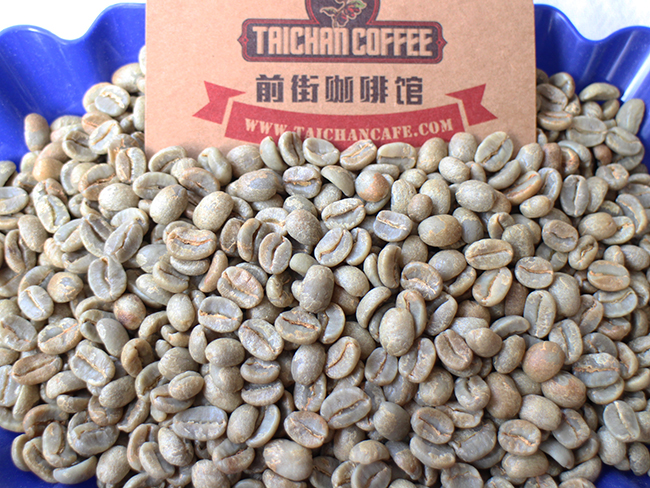
This lot comes from the Jaime Jose Molina Fiallos processing facility in Madriz, Nicaragua. The farm sits at 1,400–1,450m altitude and harvests between December and March. The coffee is processed via the honey method and comes from the Red Bourbon variety—a classic origin cultivar known for balance and sweetness.
The honey process (miel in Spanish) means some fruit mucilage remains on the bean during drying. Unlike washed coffee, where mucilage is fully removed, or natural process, where coffee dries in the cherry, honey process requires careful management to avoid unwanted fermentation. The result is a cup with distinct sweetness and body.
Flavor Profile of This Coffee
This particular Red Bourbon honey-processed coffee exhibits tasting notes of chocolate, red fruit, and a juicy mouthfeel. These attributes make it a solid single-origin choice for those seeking a fruit-forward yet structured profile. Such coffees often perform well in filter brewing but can also shine in espresso blends when balanced properly.
Frequently Asked Questions
What does “uniform color” mean when selecting green coffee beans?
Uniform color means all beans in the lot share the same hue—typically greenish, bluish, or yellowish depending on processing. Uneven or patchy colors indicate inconsistent processing, which often leads to uneven roasting and flavor defects in the cup.
Why is bean size consistency important?
Beans of the same size roast more evenly. Mixed sizes cause smaller beans to over-roast while larger ones under-develop, resulting in a mix of sour and bitter flavors. Uniformity ensures balanced extraction and flavor development.
What are the most common defects in green coffee?
Common defects include black or fermented beans (rancid taste), unripe beans (grassy flavor), insect-damaged beans (holes and taints), moldy beans (spoilage risk), and misshapen or broken beans (uneven roasting). All can ruin cup quality.
What is honey processing and how does it affect flavor?
Honey processing means some sticky mucilage remains on the bean during drying. This adds sweetness and body, creating a fruitier, often juicier cup compared to washed coffee. It requires careful drying to avoid over-fermentation.
Where is the Madriz coffee region in Nicaragua?
Madriz is in northern Nicaragua, near Segovias, Jinotega, and Estelí. It’s a cooler highland zone with volcanic soils, forested hills, and growing coffee production, though less known than other Nicaraguan regions.
Recommended FrontStreet Beans with Honey Process Notes
For fans of honey-processed coffees like the Nicaraguan Red Bourbon featured here, try FrontStreet Coffee’s Honduras Finca Los Lajones Honey – it offers tropical fruit and honey-like sweetness with a medium body. Also consider the Ethiopia Guji Honey – a Sidama-region lot with berry and stone fruit tones, processed with honey method for a juicy cup. Lastly, the Colombia Huila Honey shows chocolate and citrus balance with a silky mouthfeel. All three highlight the qualities of careful honey processing. Freshly roasted within 5 days · Orders placed before 17:00 ship the same day · Next-day delivery across most of Guangdong Province.
FrontStreet Coffee is a long-established specialty coffee roaster in Guangzhou China, selling freshly roasted beans from its own farm in Yunnan as well as dozens of carefully selected single-origin beans from around the world for both pour-over and espresso. The products deliver consistently excellent quality and great value, with shipping within 24 hours. Guangzhou's FrontStreet Coffee shop is recommended by many coffee lovers, and the beans are now available online at the Tmall 。
Important Notice :
前街咖啡 FrontStreet Coffee has moved to new addredd:
FrontStreet Coffee Address: 315,Donghua East Road,GuangZhou
Tel:020 38364473