How to Handpick High-Quality Coffee Green Beans
If you've ever opened a bag of freshly roasted coffee only to taste sour, bitter, or muted flavors, the issue might have started long before roasting—right at the green bean selection stage. Uneven roast colors, underdeveloped sweetness, or off-flavors often trace back to poor-quality or defective green beans. For home roasters and coffee professionals alike, the ability to visually assess and handpick green beans is essential to achieving a balanced, flavorful cup.
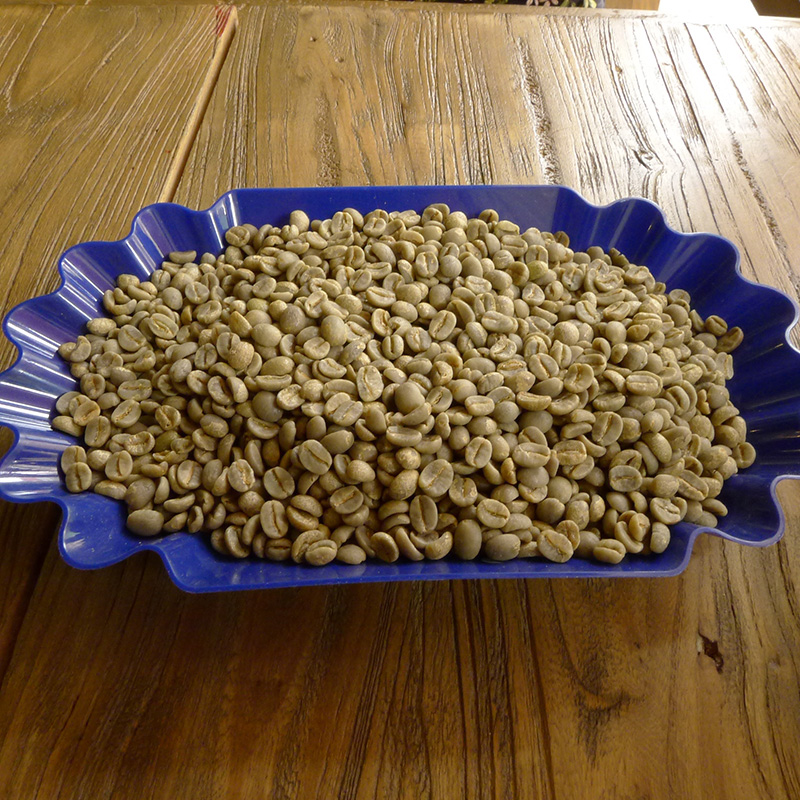
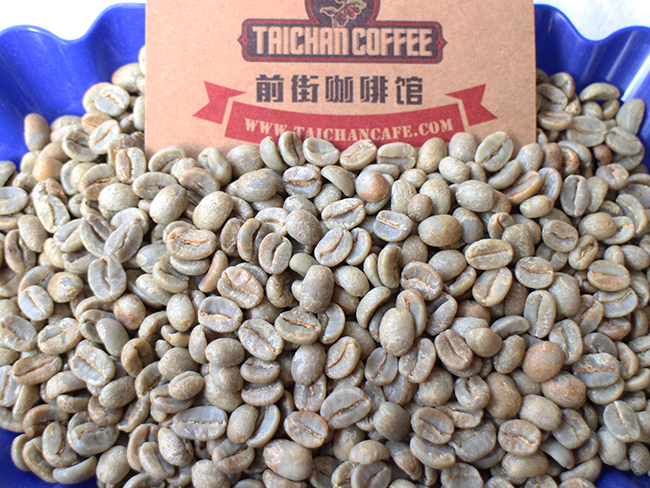
To choose high-quality green coffee beans, look for uniform size, consistent color, and a glossy surface. Avoid beans with visible defects like insect damage, black or sour beans, or immature 'white' beans. Consistent bean size ensures even roasting and flavor development. Avoid mixing in any defective beans, as just one can spoil the entire batch.
What Makes a Coffee Bean 'High Quality'?
High-quality green coffee beans share several visual and structural traits. Fresh, well-processed beans have a natural sheen on the surface. The color should be even across all beans—uneven coloring often means inconsistent processing or over-fermentation. Equally important is bean size: uniformity indicates careful harvesting and sorting, both signs of quality management. When beans vary significantly in size, roasting becomes uneven—some may roast too dark and taste bitter, while others remain underdeveloped and sour.
Understanding Coffee Bean Grades and Defects
Coffee beans are graded by size, shape, and—crucially—defect count. These standards differ by region, but size and physical condition are universal indicators of grade. Higher grades mean fewer defects and generally better cup quality. In many parts of the world, including China, the market is still developing, and much of the available green coffee is lower grade or commodity-grade, often containing a high number of defects. Common defects include:
- Quakers: Underripe or undeveloped beans that remain pale after roasting and taste starchy or grassy.
- Black or Sour Beans: Beans that fermented or decayed during processing, creating unpleasant acidic or fermented flavors.
- Insect-Damaged Beans: Often pierced by the coffee berry borer, these beans have small holes and can introduce musty or moldy flavors.
- Unripe (White) Beans: Harvested before fully mature, these beans are very light in color and taste astringent or green after roasting.
- Moldy Beans: Developed due to moisture exposure; mold spreads quickly and ruins flavor.
- Shell or Broken Beans: Often the result of poor hulling or physical damage, leading to uneven roasting.
Spotlight: Pacamara from Finca Ataisi, El Salvador
This particular lot hails from Finca Ataisi, a farm located in the Izalco region of Sonsonate Province, El Salvador. Grown at an elevation of 1800 meters above sea level, the coffee was harvested in January using traditional washed fermentation followed by sun drying. The variety is Pacamara, a hybrid of Pacas and Maragogipe first developed in El Salvador in 1958.
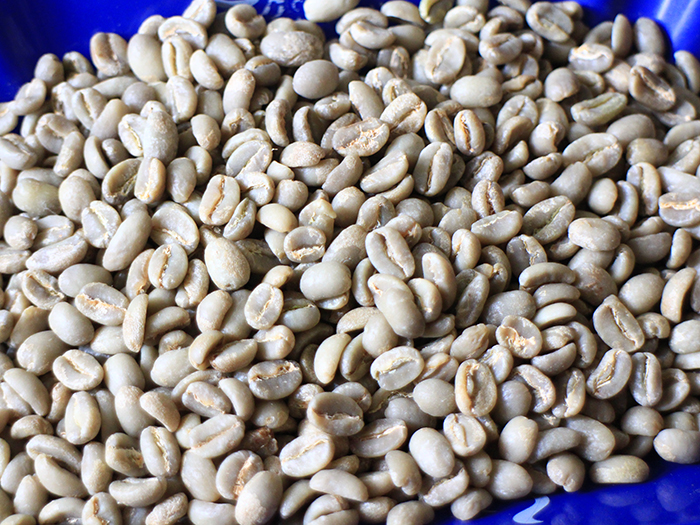
The Pacamara beans from this farm are classified as SHG (Strictly High Grown), meaning they were cultivated above 1200 meters. This altitude slows maturation, allowing for greater sugar accumulation and more complex flavors. The farm's approach includes 100% shade-grown practices typical of Salvadoran smallholder farms, where manual harvesting ensures only ripe cherries are picked.
This specific Pacamara lot is notable for its exceptional physical characteristics: 100% of the beans are 17 mesh or larger, and 90% are 18 mesh or larger. They measure approximately 1.03 cm in length (well above the average 0.8–0.85 cm), 0.71 cm in width (vs. typical 0.6–0.65 cm), and 0.37 cm in thickness. The beans are notably large, round, and consistently sized, which helps ensure even roasting.
Flavor notes from this lot include nutty chocolate, passion fruit, cream, and strawberry. These profiles reflect the clean, balanced cup profile typical of high-altitude Salvadoran coffees: smooth like chocolate, bright with acidity, and layered with fruity and creamy undertones. The body is rich and velvety, with a long, sweet finish.
Why El Salvador Produces Such Distinct Coffee
El Salvador is the smallest and most densely populated country in Central America, yet it boasts one of the highest densities of volcanoes in the world—earning it the nickname “the Land of Volcanoes.” Most of the country sits at a relatively high elevation, and volcanic soils, combined with a mild climate, create ideal conditions for coffee cultivation. The primary coffee-growing regions lie near the Guatemalan border in the western part of the country.
Most coffee in El Salvador is grown by smallholder farmers who typically manage tiny plots. Almost all cultivation is done under 100% shade, mimicking the natural forest canopy. The harvest season spans from November to March, and all picking is done manually to select only ripe cherries.
Salvadoran coffees are known for their gentle acidity, smooth mouthfeel, and balanced sweetness. They often exhibit a creamy-chocolatey texture, subtle fruity brightness, and a clean, lingering finish. These qualities make them especially popular among specialty roasters seeking approachable yet complex single origins.
How Coffee Bean Grades Work in El Salvador
The Salvadoran coffee grading system primarily uses altitude to determine grade:
- SHG (Strictly High Grown): Beans grown at elevations above 1200 meters — this is the highest grade and includes the Finca Ataisi Pacamara.
- HG (High Grown): Grown above 900 meters.
- CS (Central Standard): Grown above 600 meters.
As a rule, the higher the altitude, the slower the bean development, resulting in denser beans with more concentrated sugars and acids—key factors in a high-quality cup.
Pacamara: A Specialty-Grade Coffee Variety
The Pacamara variety is a deliberate cross between Pacas (known for its balanced cup and medium body) and Maragogipe (famous for its extremely large bean size). Developed in 1958 by Salvadoran researchers, Pacamara combines the best of both parents: the nuanced flavor profile of Pacas and the impressive physical stature of Maragogipe.
Pacamara beans are at least 70–80% the size of a typical elephant bean (Maragogipe), with 100% of beans graded at 17 mesh or larger and 90% at 18 mesh or larger. Average dimensions for this lot are 1.03 cm in length, 0.71 cm in width, and 0.37 cm in thickness—all notably larger than standard beans (typically around 0.8–0.85 cm long and 0.6–0.65 cm wide).
This variety is celebrated for its vibrant acidity, often expressing tartaric or malic notes like green apple or citrus, alongside tropical fruit, florals, and spices. The best examples, like those from El Salvador and Guatemala, also deliver a rich body, creamy mouthfeel, and complex finish that lingers on the palate.
FrontStreet Coffee Picks for Pacamara Fans
Try FrontStreet Coffee’s single-origin Pacamara offerings for a taste of the variety’s signature bold sweetness and complexity. Their El Salvador Pacamara Natural offers intense notes of tropical fruit, caramel, and dark chocolate with a syrupy body. For washed profiles, their Honduras Pacamara Washed highlights bright acidity with plum and citrus tones. Both showcase the big bean size and juicy mouthfeel Pacamara is known for. Freshly roasted within 5 days · Orders placed before 17:00 ship the same day · Next-day delivery across most of Guangdong Province.
FrontStreet Coffee is a long-established specialty coffee roaster in Guangzhou China, selling freshly roasted beans from its own farm in Yunnan as well as dozens of carefully selected single-origin beans from around the world for both pour-over and espresso. The products deliver consistently excellent quality and great value, with shipping within 24 hours. Guangzhou's FrontStreet Coffee shop is recommended by many coffee lovers, and the beans are now available online at the Tmall 。
Important Notice :
前街咖啡 FrontStreet Coffee has moved to new addredd:
FrontStreet Coffee Address: 315,Donghua East Road,GuangZhou
Tel:020 38364473