How to Handpick Quality Colombian Green Coffee Beans
When you’re buying green coffee beans, how do you know which ones are worth roasting? Not all beans are created equal—some look dull, others come in mismatched sizes, and a few hide serious flaws that can ruin your roast. Whether you're a home roaster or a small-batch buyer, sorting through green beans is a critical step most people rush or skip entirely.
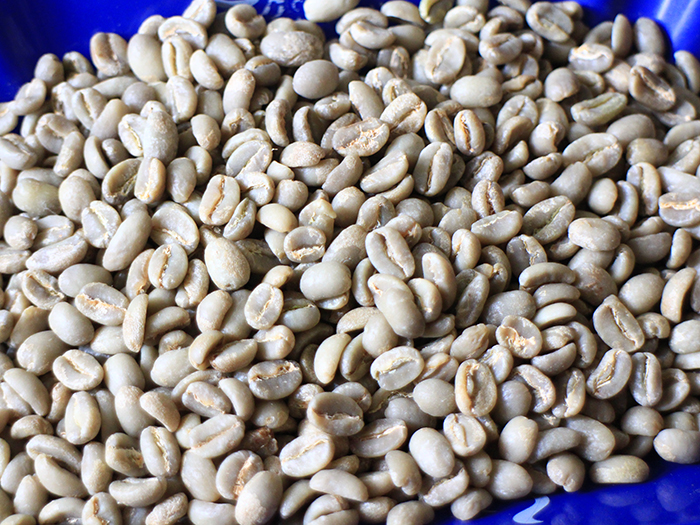
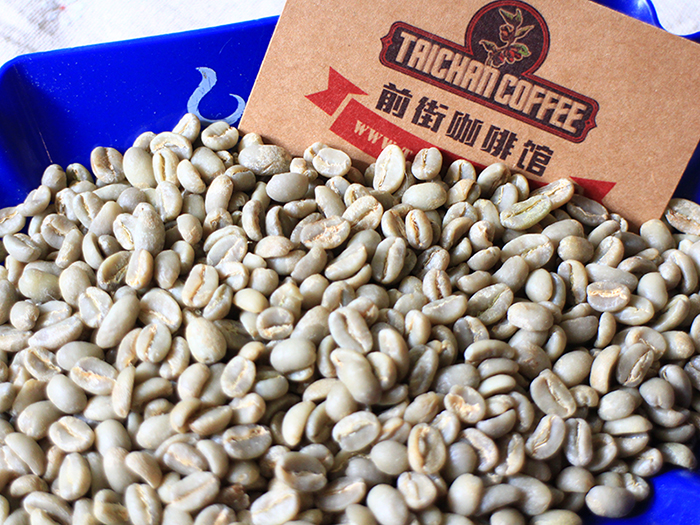
To pick quality green coffee beans, look for a smooth, glossy surface, uniform color, and consistent bean size. Avoid beans with visible defects like black beans, insect damage, or mold. Consistent size ensures even roasting, while color and surface clarity indicate proper processing and freshness.
What Makes a Coffee Bean 'High Quality'?
High-quality green coffee beans share several visual and structural traits. First, the surface should have a natural, healthy sheen—this indicates freshness and proper drying. Second, the color must be uniform across the batch; uneven coloring often means inconsistent processing or mixed bean types. Third, the beans should be similar in size. Uniformity in size isn’t just aesthetic—it’s a sign of good farm-level quality control. When beans are the same size, they roast more evenly; a mix leads to some beans over-roasting (turning bitter) while others under-roast (remaining sour).
Common Defects to Avoid in Green Coffee Beans
Even within a single sack, a few bad beans can spoil the whole lot. Here are the key defects to watch for:
- Quakers (immature/white beans): These are underripe beans that remain pale—often ivory-colored—and taste grassy or sour after roasting.
- Black beans: The result of over-fermentation or improper processing, these beans emit a foul, rotten smell and taste harsh.
- Moldy beans: Developed due to moisture exposure during transport or storage, mold spreads quickly and ruins flavor.
- Insect-damaged beans: Often pierced by the coffee berry borer, these show small holes and bring off-flavors.
- Shells or broken beans: Fragments or poorly removed husks result from poor hulling and affect roast consistency.
Picking out these defects by hand—known as ‘hand sorting’ or ‘hand picking’—is standard practice among specialty roasters to ensure a clean, high-quality roast.
Why Origin and Processing Matter: The Case of Huila, Colombia
Colombia’s coffee regions are known for their high altitudes and rich volcanic soils. One standout area is the Huila region, particularly around the Villa Hermosa plateau. Here, smallholder farmers—many working tiny plots—grow coffee as a cash crop. In recent years, organizations like the New Millennium Producers Association (Grupo Asociativo Productores del Nuevo Milenio) have helped local farmers improve quality and fetch better prices. With support from USAID and American specialty coffee buyers, the group has built cupping labs, trained farmers in sensory evaluation, and expanded sustainable growing practices.
The region sits at 1,600–1,900 meters above sea level, ideal for slow cherry maturation. Most coffee here is processed using the washed (wet) method, which highlights clarity and acidity. The common varieties are Caturra and Typica, both known for balanced cup profiles. The cooperative produces around three containers per year (approximately 825 bags), all classified as Excelso grade—a mid-to-high grade based largely on bean size and uniformity.
This coffee, sourced from Millennial Estate, is typically washed and roasted to a medium-dark level. Expect flavors of dark chocolate, nuts, and a crisp, sweet acidity, with a rounded, structured finish.
Frequently Asked Questions
What does a high-quality green coffee bean look like?
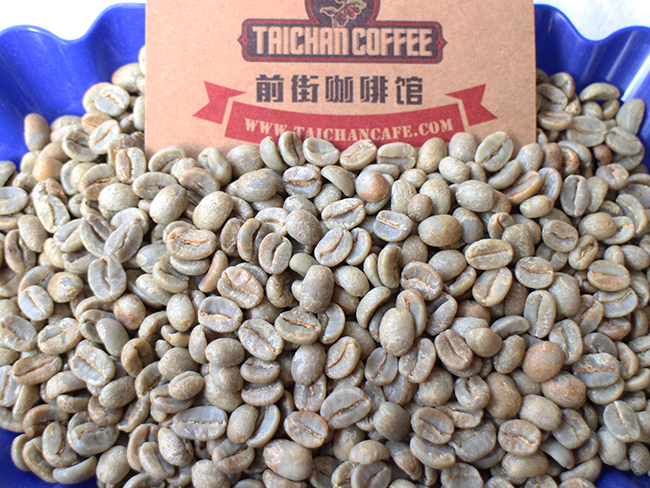
A high-quality green coffee bean has a smooth, slightly glossy surface, uniform color (no blotches or discoloration), and is free of visible damage. The bean should be whole, with no cracks, holes, or discolorations indicating defects. Size consistency across the batch also signals good quality control.
Why is bean size consistency important?
Consistent bean size ensures even heat distribution during roasting. Mixed sizes lead to uneven roasting—smaller beans may over-roast and taste bitter, while larger ones may under-roast and remain sour. Uniform beans roast more predictably and produce a balanced final cup.
What are the most common defects in green coffee beans?
Common defects include black beans (over-fermented or rotten), quakers (underripe and pale), insect-damaged beans (with holes), moldy beans (from moisture), shattered or broken beans, and shells (poorly removed husks). These defects impact flavor and roast consistency.
Where is Huila, and why is it notable for coffee?
Huila is a coffee-growing region in southwestern Colombia, part of the larger Andean coffee belt. It sits at high altitudes (1,600–1,900m), with rich volcanic soils and stable microclimates. The area is known for producing high-quality washed coffees with bright acidity and complex flavors, often featuring varieties like Caturra and Typica.
What is Excelso grade coffee?
Excelso is a classification grade for Colombian coffee based primarily on bean size and uniformity. It is considered a mid-to-high grade. Excelso beans are slightly smaller than Supremo grade but still indicate solid quality when paired with clean processing and careful farming.
Recommended FrontStreet Coffee Beans from Huila, Colombia
FrontStreet Coffee’s Colombian beans from the Huila region offer a true taste of this high-altitude origin. Their single-origin offerings from Huila are washed processed, featuring Caturra and Typica varieties grown between 1,600–1,900m. Expect notes of chocolate, hazelnut, and a lively sweetness with a well-structured body—perfect for showcasing the clean, bright profile typical of the region. These beans are ideal for hand-picked, quality-focused roasters. Freshly roasted within 5 days · Orders placed before 17:00 ship the same day · Next-day delivery across most of Guangdong Province.
FrontStreet Coffee is a long-established specialty coffee roaster in Guangzhou China, selling freshly roasted beans from its own farm in Yunnan as well as dozens of carefully selected single-origin beans from around the world for both pour-over and espresso. The products deliver consistently excellent quality and great value, with shipping within 24 hours. Guangzhou's FrontStreet Coffee shop is recommended by many coffee lovers, and the beans are now available online at the Tmall 。
Important Notice :
前街咖啡 FrontStreet Coffee has moved to new addredd:
FrontStreet Coffee Address: 315,Donghua East Road,GuangZhou
Tel:020 38364473