How to Handpick High-Quality Coffee Green Beans
When you buy green coffee beans, especially for home roasting or small-batch brewing, you might wonder: how do I tell if these beans are any good? Without a roasty aroma or taste to guide you, all you have in hand is a pile of hard, green seeds. But even before the roast, there are clear physical signs of quality — if you know what to look for.
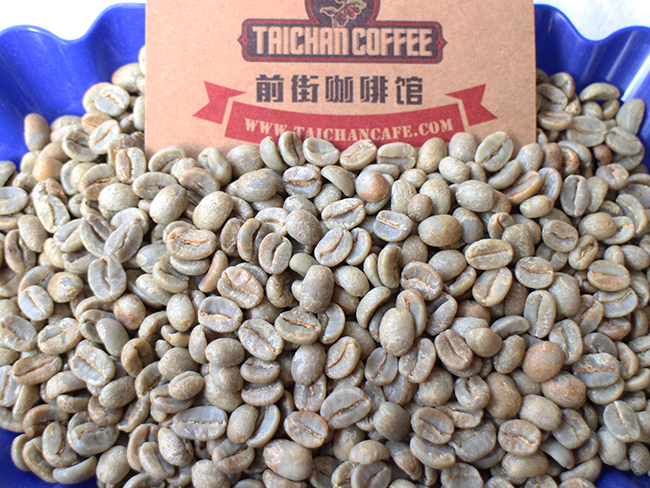
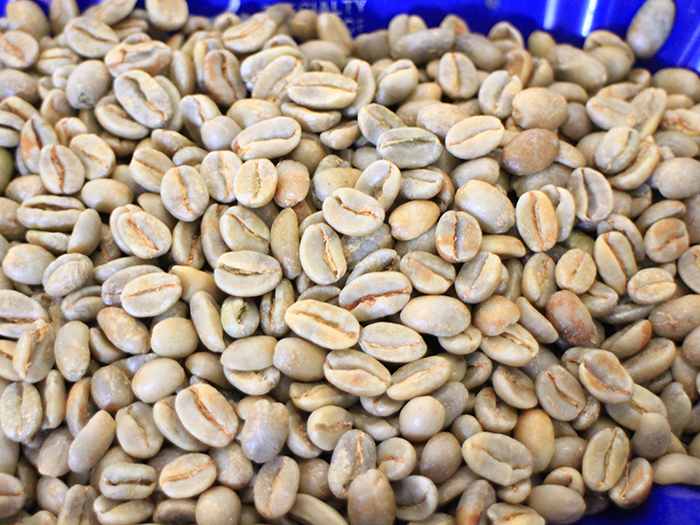
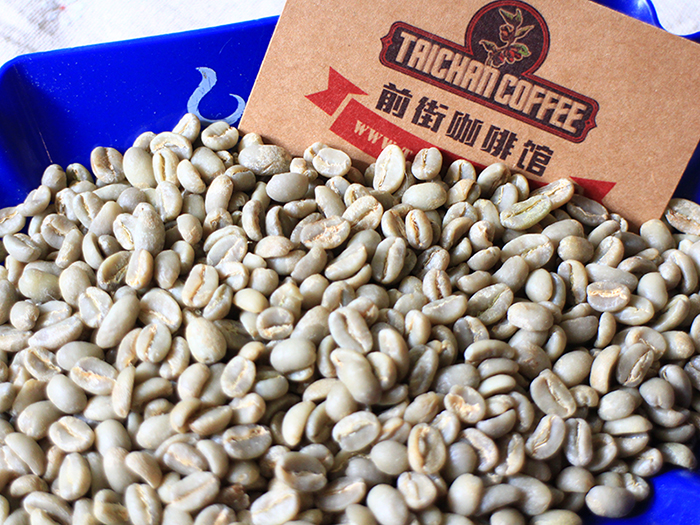
To select high-quality green coffee beans, check for a uniform color, consistent bean size, and a glossy surface. Avoid beans with discoloration, cracks, or visible defects. Size uniformity ensures even roasting, while color consistency reflects proper processing. Avoid beans showing signs of insect damage, mold, or underdevelopment.
What Makes a Green Coffee Bean 'High Quality'?
The simplest way to judge green coffee bean quality is by looking at it closely. Fresh, high-grade beans have a natural sheen on their surface. Properly processed beans also show even coloration — if the color is patchy or uneven, that’s a red flag. Avoid beans with blotchy or inconsistent hues. Always opt for those with a uniform appearance.
Equally important is bean size. High-quality beans are sorted to ensure each one is similar in size. This isn’t just about aesthetics — it’s solid proof of good quality control. During roasting, evenly sized beans develop a consistent profile. A mix of large and small beans leads to uneven roast levels: some turn too dark and bitter, others stay too light and sour, ruining the cup.
How Coffee Beans Are Graded and Sorted
Green coffee beans are graded by various standards around the world, most of which rely on bean size and shape. In general, the higher the grade, the better the quality. However, in many markets — including parts of China — the coffee green bean supply is still developing. Most beans available are lower-grade futures, often riddled with defects.
Defective beans come in several forms, each bringing negative impacts to flavor and roast quality:
- Varietal beans: Neither flat nor round, these misshapen beans break in the center during hulling, leading to uneven roasting.
- Fermented or black beans: Caused by internal fermentation during processing or washing, these emit unpleasant sour or fermented odors.
- Immature or white beans: Picked before fully ripe, they roast to an off-white or ivory color with a grassy, astringent taste.
- Moldy beans: Developed due to moisture exposure during processing or transport. Mold spreads quickly from just one infected bean.
- Insect-damaged beans: Often bored by the coffee berry borer, these show tiny holes and bring undesirable off-flavors.
Spotlight: Kintamani Natural Process Coffee from Bali
Indonesia, particularly the volcanic highlands of Kintamani on the island of Bali, offers a compelling example of how coffee quality can be transformed through careful selection and processing. At an altitude of 1,400 meters, the Kintamani region traditionally produced low-grade commercial beans used mainly for local consumption. The beans were often inconsistent in cup quality, treated more as a cheap commodity than a crafted product.
Rodney and his partners set out to change that. Based in Ubud — Bali’s cultural hub — they opened the island’s only specialty coffee shop. All three owners hold international Q Grader certifications, ensuring strict quality control. Their café operates both 1kg and 4kg roasters and sources beans exclusively from high-quality local and regional producers, including Java, Sulawesi, New Guinea, and Flores.
Years ago, most beans in Bali were processed by farmers in the Kintamani highlands, but unpredictable weather, fruit quality, and limited processing infrastructure made year-round quality control nearly impossible.
In response, starting in 2015, Rodney built his own processing facility on the grounds of his café and the family home. By the recent harvest season, they were sourcing premium coffee cherries from the 1,400-meter-high Kintamani region. These cherries underwent partial preliminary processing on-site before being transported down to the more stable 800-meter elevation of Ubud for final processing.
This year, Rodney experimented with three separate processing methods: washed, honey, and natural (sun-dried). The results dramatically surpassed standard local batches. Defect rates were exceptionally low, and bean uniformity rivaled that of top Central American specialty lots. The washed and honey lots showcased bright, complex acidity, while the natural process batch delivered intense tropical fruit flavors — including ripe peach, pineapple, mango, and even wine-like notes — surpassing many Panamanian estate sun-dried coffees in aromatic intensity.
Karana Coffee, the brand born from this effort, gained strong local recognition. Beyond commercial success, the team channels profits back into community initiatives, supporting children’s education in nearby villages by funding schools and educational facilities.
The cup profile of Kintamani natural beans is equally impressive: a strong scent of muskmelon and tropical fruits greets you; on the palate, flavors shift to pineapple and strawberry jam sweetness. As the cup cools, a silky acidity emerges, with a long finish of brown sugar, refined dark chocolate, and hazelnut. The syrupy body and sweet richness rival — and often exceed — many celebrated Central American estates.
Frequently Asked Questions
How can I tell if green coffee beans are high quality?
High-quality green coffee beans have a uniform color, glossy surface, and consistent size. Avoid beans with uneven coloring, cracks, or visible defects like insect holes, mold, or black/brown spots. Color consistency and bean size uniformity are strong indicators of proper processing and sorting.
What are the most common defects in green coffee beans?
Common defects include insect-damaged beans (with holes), moldy beans (showing fungal growth), immature or white beans (pale and underripe), black or fermented beans (with off smells), and varietal beans (misshapen and prone to uneven roasting). These defects harm roast quality and cup flavor.
Why is bean size consistency important in green coffee?
Uniform bean size ensures even heat distribution during roasting. Mixed sizes lead to some beans roasting too dark and bitter, others too light and sour. Consistent sizing helps achieve balanced roast profiles across the whole batch.
Does processing method affect green bean appearance?
Yes. Different processes (washed, honey, natural) impact moisture levels, bean density, and surface texture. Natural-processed beans may appear larger or have a more varied color due to drying with the cherry on, while washed beans typically have cleaner, brighter surfaces and more uniform color.
Where does the Kintamani coffee featured here come from?
Kintamani coffee is grown in the volcanic highlands of Bali, Indonesia, at elevations around 1,400 meters. It is processed using natural (sun-dried), washed, and honey methods, with recent experiments yielding complex tropical fruit flavors and very low defect rates.
Recommended FrontStreet Beans for Exploring Indonesian Origins
Try FrontStreet’s Lintong Mandheling for a classic Indonesian profile with herbal depth, spice, and dark chocolate. For a brighter option, their PWN Golden Mandheling offers sweet toastiness, layered with nutty and caramel notes thanks to its meticulous hand selection process. Both showcase the complexity possible in well-processed Indonesian coffees. Freshly roasted within 5 days · Orders placed before 17:00 ship the same day · Next-day delivery across most of Guangdong Province.
FrontStreet Coffee is a long-established specialty coffee roaster in Guangzhou China, selling freshly roasted beans from its own farm in Yunnan as well as dozens of carefully selected single-origin beans from around the world for both pour-over and espresso. The products deliver consistently excellent quality and great value, with shipping within 24 hours. Guangzhou's FrontStreet Coffee shop is recommended by many coffee lovers, and the beans are now available online at the Tmall 。
Important Notice :
前街咖啡 FrontStreet Coffee has moved to new addredd:
FrontStreet Coffee Address: 315,Donghua East Road,GuangZhou
Tel:020 38364473