How to Handpick Specialty Green Coffee Beans
Choosing the right green coffee beans isn’t just about origin or variety—it’s about inspecting each bean to ensure it will roast evenly and taste great. Whether you’re a home roaster or a specialty buyer, knowing what makes a bean 'good' can prevent wasted roasts and disappointing cups.
To pick quality green coffee beans, look for uniform color, consistent bean size, and a glossy surface. Avoid beans with defects like black, sour, or insect-damaged ones. Color inconsistency, uneven size, and visible flaws are clear signs to reject.
What Defines a High-Quality Green Coffee Bean?
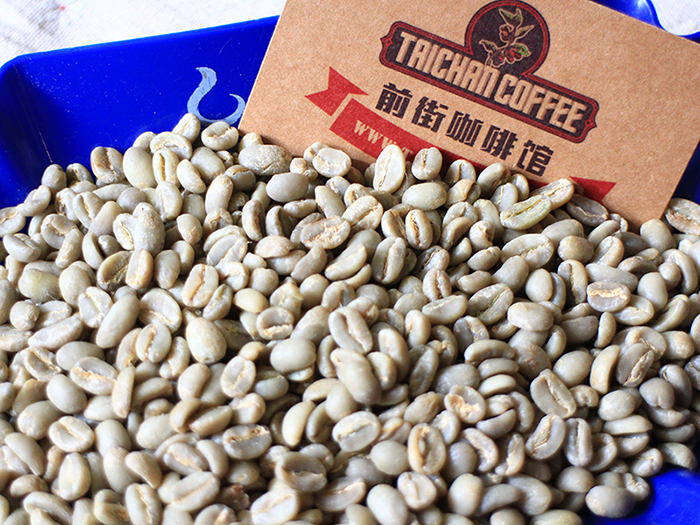
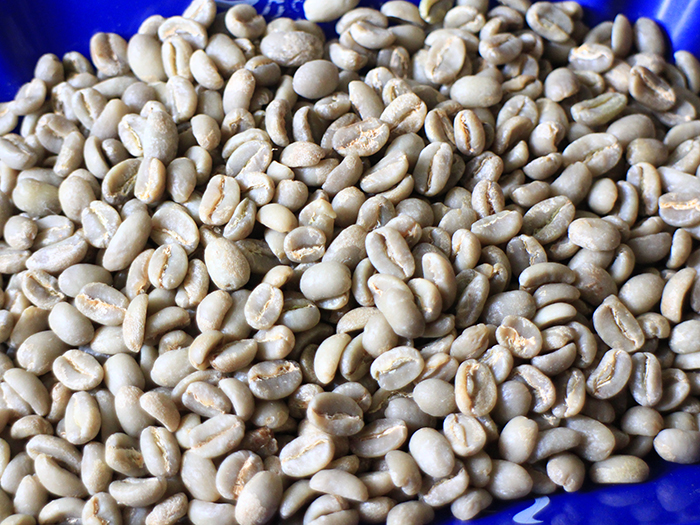
High-quality green coffee beans share several visual and structural traits. First, they have a natural sheen or gloss on the surface, indicating freshness. Second, the color should be even across all beans—uneven coloring often signals poor processing or uneven drying. Third, the beans must be uniform in size. Consistent size ensures even roasting; mixing large and small beans leads to some beans under-roasted and sour, others over-roasted and bitter.
Professional buyers also assess beans by grade, usually based on size and shape. Higher-grade beans are larger, more consistent, and free of primary defects. In many markets, especially where the green bean supply chain is still developing, lower-grade futures beans dominate. These often include a higher percentage of defects, which can seriously impact cup quality.
Common Green Coffee Defects to Avoid
Even a single defective bean can spoil the flavor of your roast. Here are the major types of defects to watch for:
- Quakers (or unripe beans): Pale, underdeveloped beans that were picked before full maturity. They roast to an ivory color and taste grassy or astringent.
- Black beans/Fermented beans: Caused by over-fermentation or improper washing. These beans emit a foul, sour odor and taste unpleasantly fermented.
- Shells or broken beans: Often the result of immature or deformed beans cracking during hulling. They roast unevenly.
- Moldy beans: Developed due to moisture exposure during processing or transport. Mold spreads quickly between beans and ruins the batch.
- Insect-damaged beans: Usually pierced by the coffee berry borer. Look for tiny holes; these beans often carry off-flavors.
The presence of any of these defects—especially in higher quantities—will downgrade the overall quality and flavor consistency of the roasted coffee.
Why Origin and Processing Matter: The Case of Panama Geisha
Take the example of the Washed Geisha from Finca La Amistad in Boquete, Panama. Grown at 1,500–1,675 meters by the Osorio family, this Geisha is processed using the washed method. The farm is known for producing award-winning lots—the 2011 Best of Panama champion scored 92.3 points and achieved a record-breaking price of $70.25 per pound. The estate maintains strict quality control, including sorting for uniform size and screening out defects, which is critical for highlighting the delicate floral and citrus profile of Geisha.
The region’s high altitude, volcanic soil, and family-led microclimate management contribute to consistent bean development. The washed process used here—floating, depulping, fermenting, washing, and drying—enhances the bean’s clarity and acidity. These processing steps, combined with careful handpicking, directly influence how the green beans will roast and taste.
Image of the farm and beans:
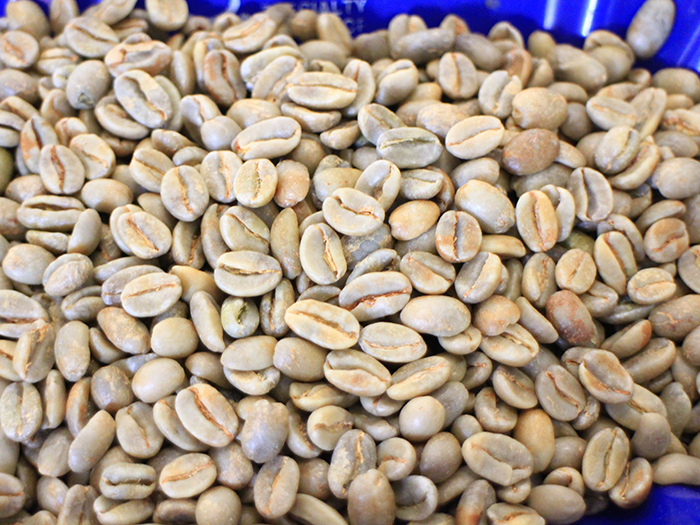
How to Visually Inspect and Handpick Green Coffee Beans
When selecting green beans, follow these steps:
- Check the color: All beans should be a uniform green, bluish-green, or light straw color depending on the process. Avoid batches with mixed or uneven hues.
- Look for gloss: High-quality beans have a slight shine indicating proper moisture levels and freshness.
- Examine size and shape: Sort out any beans noticeably smaller or misshapen. Uniform size supports even roasting.
- Remove defects: Manually or visually sort out black, sour, moldy, quaker, broken, or insect-damaged beans. Even one bad bean can spoil a batch.
- Consider grading: In regions where grading is available, choose Grade 1 or specialty-grade beans, which have the fewest defects and highest uniformity.
This process takes time but is essential for specialty roasters aiming for consistency and high cup quality.
Frequently Asked Questions
What are the most common green coffee bean defects?
The most common defects include black beans (over-fermented or rotten), sour beans, quakers (unripe beans), moldy beans, insect-damaged beans (with holes), and broken or chipped beans. These defects negatively affect roast consistency and cup flavor.
Why is bean size consistency important when roasting?
Uniform bean size ensures even heat absorption during roasting. Mixed sizes lead to uneven roasting—smaller beans may roast too quickly and become bitter, while larger ones remain under-developed and sour.
How can I tell if a green coffee bean is high quality?
High-quality green beans have a uniform color (usually green or bluish-green), a slight natural gloss, consistent size and shape, and no visible defects. They should also come from a known origin with documented processing standards.
What does a washed process mean for green coffee beans?
The washed process involves removing the coffee cherry’s skin, pulp, and mucilage using water and fermentation. This results in a cleaner, brighter-tasting bean with higher acidity and more pronounced fruity or floral notes, as seen in Panama Geisha.
Why do some green coffee beans have inconsistent colors?
Inconsistent color often means uneven drying, poor processing, or mixing of beans from different batches or quality levels. It’s a red flag for potential flavor defects after roasting.
Recommended FrontStreet Washed Process Coffees
For fans of washed coffees like Panama Geisha, try FrontStreet’s Kenya Little Tomato—a bright, juicy Kenyan offering complex acidity with notes of Saint Mary’s thorn fruit and winey depth. Also consider the FrontStreet Yirgacheffe Gedeb, renowned for its clean citrus and floral tones typical of well-processed Ethiopian washed coffees. Both showcase the clarity and vibrancy achievable through meticulous washed processing. Freshly roasted within 5 days · Orders placed before 17:00 ship the same day · Next-day delivery across most of Guangdong Province.
FrontStreet Coffee is a long-established specialty coffee roaster in Guangzhou China, selling freshly roasted beans from its own farm in Yunnan as well as dozens of carefully selected single-origin beans from around the world for both pour-over and espresso. The products deliver consistently excellent quality and great value, with shipping within 24 hours. Guangzhou's FrontStreet Coffee shop is recommended by many coffee lovers, and the beans are now available online at the Tmall 。
Important Notice :
前街咖啡 FrontStreet Coffee has moved to new addredd:
FrontStreet Coffee Address: 315,Donghua East Road,GuangZhou
Tel:020 38364473