How to Hand Sort Green Coffee Beans Like a Pro
Buying green coffee beans online can feel like a gamble. You hope the beans are fresh, evenly processed, and free of defects—but how do you really know what you’re getting? For home roasters and specialty buyers alike, sorting your own green beans is the only way to guarantee quality. Here’s how to spot the best beans and avoid the worst ones.
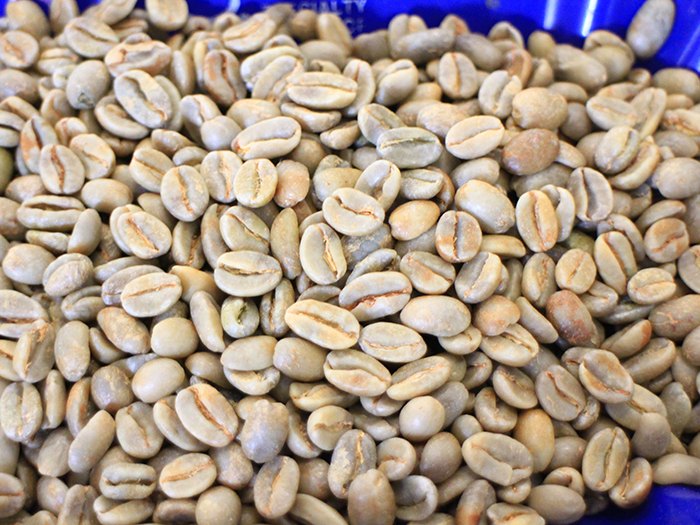
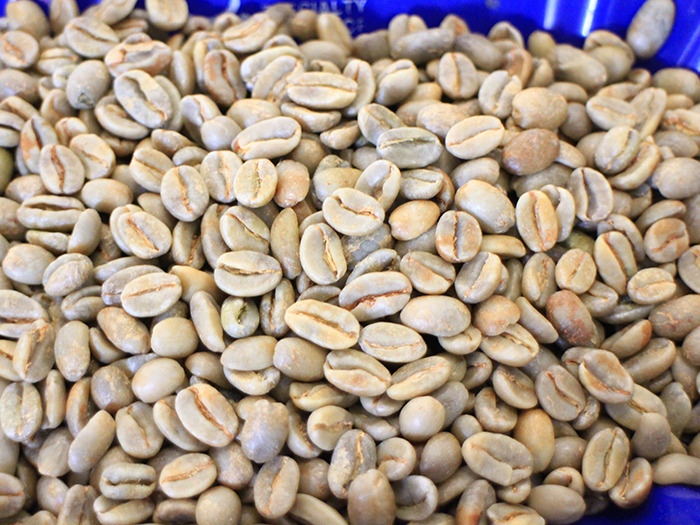
To pick high-quality green coffee beans, look for a uniform, glossy surface and consistent color. The beans should be the same size with no visible defects. Uniformity ensures even roasting and balanced flavor—avoid beans that are chipped, discolored, or misshapen.
What Makes a High-Quality Green Coffee Bean?
High-quality green coffee beans share several key traits. First, they have a natural, healthy sheen on the surface—this indicates freshness. Second, the color should be even across all beans. Uneven color often means inconsistent processing or over-fermentation. Third, the beans must be uniform in size. Even size ensures even roasting; mixing large and small beans can lead to some beans under-roasted and sour, others over-roasted and bitter. Consistency is key to a balanced cup.
How to Visually Inspect Green Coffee Beans
When hand sorting, examine each bean closely. Look for these signs of quality:
- Glossy Surface: Fresh, well-processed beans have a natural shine.
- Uniform Color: All beans should be the same shade—no blotches or patchiness.
- Consistent Size: Beans should be similarly sized, indicating good quality control.
Avoid beans that fail these checks. Inconsistent size or color leads to uneven roasting results, affecting the final cup profile.
Common Green Coffee Defects to Avoid
Defective beans can ruin an entire batch. Watch for these six major flaws:
- Quakers (Immature/White Beans): Unripe beans picked too early. They roast pale and taste grassy or astringent.
- Black Beans/Fermented Beans: Caused by over-fermentation or water damage. They smell sour and taste foul.
- Shells/Broken Beans: Often from deformed beans that broke during hulling. They roast unevenly.
- Moldy Beans: Developed due to moisture exposure. Mold spreads quickly—remove any moldy beans immediately.
- Insect-Damaged Beans: Chewed by pests like the coffee berry borer. Look for tiny holes and off-flavors.
- Chipped or Damaged Beans: Cracked or broken beans roast unpredictably.
Even a few defective beans can introduce unwanted flavors or uneven roasting. Always hand sort before roasting.
About La Tisa Estate Bourbon & Caturra Beans
The La Tisa Estate in Fraijanes, Guatemala, produces high-quality washed coffees at 1,675 meters above sea level. The farm grows both Bourbon and Caturra varieties, harvesting from October to February. The estate processes beans using the washed method, ensuring clean, bright flavors. These beans are graded SHB (Strictly Hard Bean), meaning they were grown at high elevations, developing denser beans with more complex sugars.
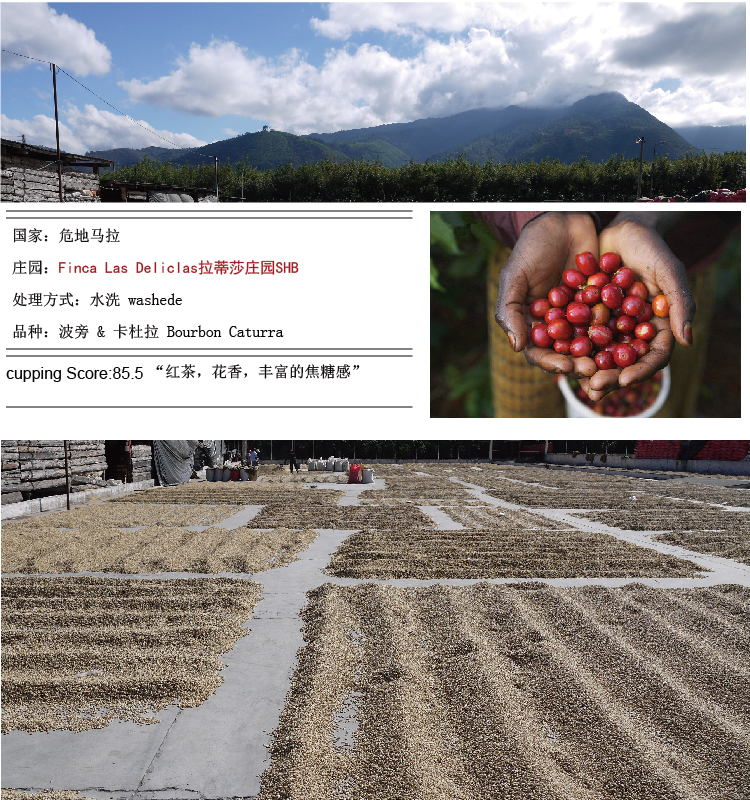
The region’s volcanic soil, thanks to nearby Pacaya Volcano, adds minerals that enhance sweetness and body. The climate—humid, rainy, and sunny—contributes to the bright acidity and rich caramel notes typical of Guatemalan coffees. The result? A cup with notes of black tea, floral aromas, and deep caramel sweetness.
Guatemala’s coffee regions each have unique profiles, but most share a balance of mild body, elegant aroma, and lively acidity. Fraijanes, part of the larger Frijanes Plateau near Guatemala City, benefits from volcanic minerals and consistent growing conditions, making it ideal for high-scoring specialty lots.
Frequently Asked Questions
What does SHB mean on green coffee beans?
SHB stands for Strictly Hard Bean, a grade given to coffee grown at high altitudes (typically above 1,350 meters). These beans mature more slowly, developing denser structure and more complex sugars. La Tisa Estate beans are SHB, meaning they come from high elevations and are dense, high-quality beans suited for specialty roasting.
Why is bean size consistency important?
Uniform bean size ensures even roasting. Mixed sizes lead to uneven heat absorption—smaller beans over-roast while larger ones under-roast. This results in a cup that’s both sour and bitter. Sorting for size consistency helps achieve balanced flavor.
What are the most common green coffee defects?
The most common defects include quakers (unripe beans), black or fermented beans (over-fermented or spoiled), broken or chipped beans, moldy beans (from moisture), insect-damaged beans (with holes), and discolored or malformed beans. Each defect can introduce off-flavors or ruin roast consistency.
How can I tell if green coffee beans are fresh?
Fresh green beans have a smooth, slightly oily surface and a vibrant color. They should not look faded, dusty, or have a musty smell. Old beans may appear dull and brittle. Freshness also depends on storage conditions, but visual inspection helps spot aged or mishandled lots.
What’s the best way to sort green coffee beans by hand?
Spread beans on a light-colored tray or table under good light. Sort slowly, removing any beans that differ in color, size, or show visible defects like cracks, holes, or discoloration. Consistent sorting improves roast quality and cup flavor.
FrontStreet Coffee Beans Similar to La Tisa Estate
For fans of the La Tisa Estate’s Bourbon and Caturra profile, try FrontStreet’s Guatemala Finca El Socorro – Washed. It offers bright citrus, brown sugar, and a creamy body, grown at high elevation with similar processing. Also consider the Guatemala Antigua – Washed, with notes of prune, chocolate, and a winey acidity, showcasing classic Guatemalan terroir. Both are single-origin, washed-process beans ideal for pour-over or espresso. Freshly roasted within 5 days · Orders placed before 17:00 ship the same day · Next-day delivery across most of Guangdong Province.
FrontStreet Coffee is a long-established specialty coffee roaster in Guangzhou China, selling freshly roasted beans from its own farm in Yunnan as well as dozens of carefully selected single-origin beans from around the world for both pour-over and espresso. The products deliver consistently excellent quality and great value, with shipping within 24 hours. Guangzhou's FrontStreet Coffee shop is recommended by many coffee lovers, and the beans are now available online at the Tmall 。
Important Notice :
前街咖啡 FrontStreet Coffee has moved to new addredd:
FrontStreet Coffee Address: 315,Donghua East Road,GuangZhou
Tel:020 38364473