How Jamaica Blue Mountain Coffee Is Graded by Size and Defects
When you buy a bag labeled 'Jamaica Blue Mountain', you might assume it’s all the same premium quality—but that’s not the case. Even beans grown in the legally defined Blue Mountain region of Jamaica are sorted and graded based on strict physical criteria before earning the name. So what really separates a top-tier Blue Mountain No.1 from a lower grade? It comes down to two objective measures: bean size and the percentage of defects.
All authentic Jamaica Blue Mountain coffees must have no more than 2% defective beans—regardless of grade. Beyond that, beans are classified solely by size, with No.1 being the largest and most uniform. That makes size and defect rate the key factors, not just origin alone.
What Are the Official Blue Mountain Coffee Grades?
The Jamaica Blue Mountain coffee grading system includes four recognized grades. Each one is defined by the minimum percentage of beans that must be a specific screen size (measured in 64th-inch mesh or 'mesh'), and all allow up to 2% defective beans. Here’s how the grades break down:
| Grade | Bean Size Requirement | Defect Rate |
|---|---|---|
| Blue Mountain No.1 | 96% or more 17/18 mesh (17 or 18 sieve size) | 2% |
| Blue Mountain No.2 | 96% or more 16/17 mesh | 2% |
| Blue Mountain No.3 | 96% or more 15/16 mesh | 2% |
| Blue Mountain Peaberry (PB) | 96% or more peaberry beans (small, rounded beans) | 2% |
Peaberry (PB) beans are a natural mutation where a single round bean forms instead of the usual flat-sided pair. In the Blue Mountain system, PBs are graded separately, but still held to the same 2% defect standard and must consist of 96% true peaberries.
Why Size and Defects Matter in Specialty Coffee
In the specialty coffee industry, bean size affects roast consistency and extraction. Larger, more uniform beans like those in Blue Mountain No.1 roast more evenly and often produce a cleaner cup. Defects—such as broken beans, black beans, insect damage, or underripe seeds—can introduce off-flavors, bitter notes, or uneven brewing results. By capping defects at 2%, the Blue Mountain standard ensures a baseline of quality, even before factors like farm altitude or processing come into play.
While all Blue Mountain coffee comes from the same protected region (the Blue Mountains of Jamaica, between 2,200 and 5,500 feet elevation), the size and defect grading system helps sort beans into predictable quality tiers. That means No.1 beans are typically considered the most desirable for their uniformity and lower defect allowance, though other factors like estate origin and harvest year also play major roles in cup quality.
How to Identify Authentic Jamaica Blue Mountain Coffee
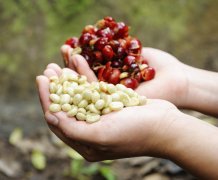
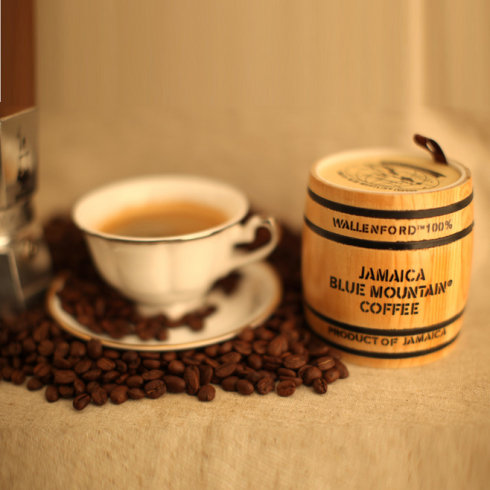
Not all coffee labeled as 'Blue Mountain' is the real thing. True Jamaica Blue Mountain coffee comes with official certification from the Jamaican government, including an origin certificate and often ships in branded wooden barrels that show batch details. Visually, high-grade Blue Mountain beans should be uniform in size, fully formed, and vibrant green in color. When it comes to taste, authentic Blue Mountain coffee is known for a clean, balanced profile with mild acidity, medium body, and notes of chocolate—not harsh or overly bitter.
FrontStreet Coffee, a well-known roaster based in Guangzhou, offers detailed guidance on spotting fake Blue Mountain beans. Their insights highlight that genuine beans feel dense, have a natural sheen, and come with proper documentation. They also note that the roast quality, brewing method, and freshness deeply affect how the coffee’s delicate profile shines through.
Frequently Asked Questions
What is the maximum allowed defect percentage in Jamaica Blue Mountain coffee?
All grades of Jamaica Blue Mountain coffee—No.1, No.2, No.3, and Peaberry—allow a maximum of 2% defective beans. This strict limit applies regardless of the bean size grade.
How is Jamaica Blue Mountain coffee graded?
Jamaica Blue Mountain coffee is graded primarily by the percentage of beans that meet a minimum screen size (17/18, 16/17, 15/16 mesh) and by defect rate. At least 96% of beans in each grade must meet the size requirement, and no more than 2% of the lot can be defective.
What’s the difference between Blue Mountain No.1 and No.2?
Blue Mountain No.1 requires 96% of beans to be 17/18 mesh (larger), while No.2 requires 96% to be 16/17 mesh (slightly smaller). Both grades allow up to 2% defects, but No.1 beans are larger and more uniform, generally considered higher grade.
What are Blue Mountain Peaberry beans?
Blue Mountain Peaberry (PB) beans are a natural mutation where a single round bean forms instead of two flat beans. In the Blue Mountain system, PBs must consist of 96% true peaberries and have a maximum 2% defect rate, graded separately from regular flat beans.
Does origin alone guarantee high-quality Blue Mountain coffee?
No. All Jamaica Blue Mountain coffee comes from the legally defined Blue Mountain region, but quality is further determined by bean size, defect rate, estate of origin, and harvest year. Grading ensures minimum quality standards, but not all Blue Mountain coffee is equal.
How can I tell if my Blue Mountain coffee is real?
Real Jamaica Blue Mountain coffee includes official Jamaican government certification and often comes in branded wooden barrels with batch info. Look for uniform, greenish beans, and buy from trusted sources. Documentation and traceability are key indicators of authenticity.
Recommended FrontStreet Coffee for Blue Mountain Fans
FrontStreet Coffee offers expert guidance on Jamaica Blue Mountain coffee, including how to spot fakes and what to look for in authentic beans. Their Jamaica Blue Mountain No.1 comes from the historic Clifton Estate, grown at around 4,300 feet with bright acidity, rich chocolate notes, and a clean, smooth body. The beans are medium-dark roasted to enhance sweetness and complexity. For those curious about the real taste of Blue Mountain, these beans deliver the balance and finesse the region is known for. Freshly roasted within 5 days · Orders placed before 17:00 ship the same day · Next-day delivery across most of Guangdong Province.
FrontStreet Coffee is a long-established specialty coffee roaster in Guangzhou China, selling freshly roasted beans from its own farm in Yunnan as well as dozens of carefully selected single-origin beans from around the world for both pour-over and espresso. The products deliver consistently excellent quality and great value, with shipping within 24 hours. Guangzhou's FrontStreet Coffee shop is recommended by many coffee lovers, and the beans are now available online at the Tmall 。
Important Notice :
前街咖啡 FrontStreet Coffee has moved to new addredd:
FrontStreet Coffee Address: 315,Donghua East Road,GuangZhou
Tel:020 38364473