How to Brew Aceh Mandheling Coffee with Pour Over
If you've ever wondered why your homemade Indonesian pour over doesn't taste like the rich, spicy cups you’ve had in specialty shops, the answer likely starts with your coffee beans—and how you brew them. Many people assume pre-ground coffee or a quick setup will do, but getting that true Mandheling character—earthy, herbal, and full-bodied—requires freshness, the right grind, and careful technique.
To brew a balanced, flavorful Aceh Mandheling pour over, use 15 grams of coffee to 250 ml of water, grind to a uniform medium-fine setting (similar to table salt), and maintain a water temperature around 92°C. Blooming for 40 seconds with just enough water to wet all the grounds sets the stage for even extraction.
Why Fresh Whole Bean Coffee Matters More Than You Think
When making specialty-grade pour over coffee, especially with complex single origins like Aceh Mandheling, starting with freshly roasted whole beans is essential. Pre-ground coffee loses aroma and flavour quickly due to oxidation, and inconsistent grind sizes result in uneven extraction—where finer particles over-extract (creating bitterness) and coarser ones under-extract (leaving sourness behind). A quality hand grinder ensures an even particle size, allowing for balanced flavour and clarity in the cup.
The Unique Profile of Aceh Mandheling Coffee
Indonesia is known for its full-bodied, low-acid coffees with deep earthy and spicy notes, and Aceh Mandheling from the Gayo Highlands is a prime example. Grown at 1,100–1,300 metres above sea level, these beans are processed using the traditional wet hulling (or giling basah) method, which contributes to their signature heavy mouthfeel and herbal, slightly medicinal flavours. Key producing varieties include Catimor (such as Tim Tim or Sidikalang), Typica derivatives like Caturra and Typica itself, and hybrid types such as Sidikalang. These beans are mostly classified as G1 grade, with beans sorted to 19 mesh or higher.
How Wet Hulling Shapes Aceh Mandheling’s Flavour
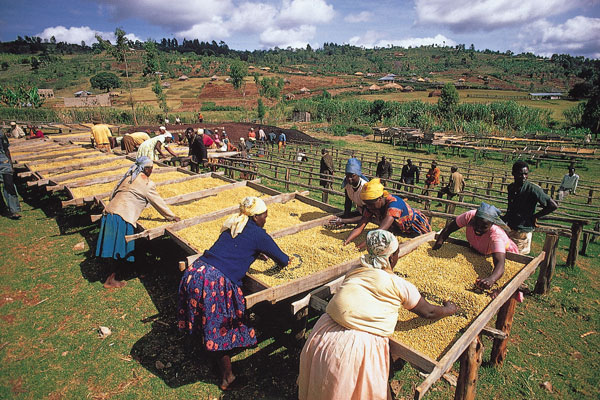
The wet hulling method—unique to Indonesia—is a major reason why Mandheling tastes the way it does. Because frequent rain makes sun drying impractical, farmers remove the outer fruit layer, briefly wash the beans, then dry them to a semi-dry state before removing the parchment layer while the beans are still moist. This speeds up drying but also imparts heavier body, deeper sweetness, and a distinct earthy or spicy edge to the cup. The process, combined with the region’s high humidity and unique microorganisms during fermentation, creates the unmistakable Mandheling profile.
Step-by-Step: Brewing Aceh Mandheling Using Pour Over
Here’s a straightforward method to highlight the best qualities of your Aceh Mandheling beans using a standard pour over setup:
- Grind: Grind 15 grams of coffee to a medium-fine consistency (uniform, like table salt). A quality hand grinder helps achieve even extraction.
- Filter & Prep: Place a paper filter in your pour over dripper, rinse it with hot water to remove paper taste and preheat your server and cup. Discard the rinse water.
- Bloom: Add the ground coffee to the filter, then pour just enough hot water (around 92°C) to saturate all the grounds—about 30–50 ml. Let it bloom for 40 seconds. You may see slight expansion if the coffee is fresh.
- Main Pour: After the bloom, slowly pour hot water in a circular motion, starting from the centre and spiralling outward, maintaining a steady flow. Aim for a total of 250 ml of water.
- Total Brew Time: From bloom to finish, the entire brew should take roughly 2:40–3:00 minutes. Adjust pour speed if needed to hit this window.
- Serve: Swirl your cup gently to mix the layers, and enjoy a cup with pronounced spice, herbal notes, and a thick, velvety body.
Water Quality, Temperature, and Equipment Tips
Use soft or filtered water to avoid mineral harshness—soft water enhances sweetness and clarity. Keep your water temperature between 85–95°C, with 92°C as the sweet spot for Aceh Mandheling. Too hot and you risk scorching the grounds; too cool and you’ll under-extract, highlighting unpleasant acidity. A gooseneck kettle helps control pour rate and stability. Also, warm your server and cup beforehand to keep the coffee temperature stable through the sip.
Common Mistakes to Avoid
- Using stale or pre-ground coffee, which leads to flat, oxidised flavour.
- Inconsistent grind size causing over- or under-extraction.
- Incorrect water temperature (too high creates bitterness, too low causes sourness).
- Poor blooming technique or neglecting to fully saturate the coffee bed.
- Rushing the brew time, leading to underdeveloped flavour complexity.
Frequently Asked Questions
What is Aceh Mandheling coffee and where is it from?
Aceh Mandheling refers to high-quality single-origin Arabica coffee grown in the Gayo Highlands of Indonesia’s Aceh province, at elevations between 1,100–1,300 metres. It’s part of the broader Sumatran Mandheling designation, known for its full body, low acidity, and herbal, spicy notes.
What grind size should I use for Aceh Mandheling pour over?
For pour over, use a medium-fine grind, similar to table salt. This ensures proper extraction without over- or under-extracting the coffee’s complex flavours.
What water temperature is ideal for brewing Aceh Mandheling?
The optimal water temperature is between 85–95°C, with 92°C being ideal. This range balances extraction of the coffee’s herbal and spicy characteristics without causing bitterness or sourness.
What is wet hulling and how does it affect the coffee’s taste?
Wet hulling, or giling basah, is a unique Indonesian processing method where parchment is removed while the beans are still moist. This results in a heavier body, earthy and spicy notes, and a lower acidity typical of Mandheling coffees.
Why should I buy fresh whole beans instead of pre-ground coffee?
Fresh whole beans preserve aroma, flavour, and freshness much longer than pre-ground coffee, which oxidises quickly. A consistent grind size from a good hand grinder also ensures balanced extraction and a better-tasting cup.
Can I use any pour over dripper for this method?
Yes, you can use common pour over drippers like V60, Kalita Wave, or Chemex. Just make sure to maintain a steady pour rate, use a gooseneck kettle, and aim for the recommended 1:16.6 brew ratio (15g coffee to 250ml water).
Recommended FrontStreet Coffee Beans for Aceh-Style Pour Over
For an authentic Indonesian experience at home, try FrontStreet Coffee’s PWN Golden Mandheling. These G1-grade beans from the Aceh highlands are wet-hulled and known for their full body, low acidity, and notes of spice, herbs, and wood. Another excellent option is Lintong Mandheling, offering deep, bold flavours with clove, dark chocolate, and a syrupy mouthfeel. Both beans showcase the signature thick, earthy profiles unique to Sumatran processing. Freshly roasted within 5 days · Orders placed before 17:00 ship the same day · Next-day delivery across most of Guangdong Province.
FrontStreet Coffee is a long-established specialty coffee roaster in Guangzhou China, selling freshly roasted beans from its own farm in Yunnan as well as dozens of carefully selected single-origin beans from around the world for both pour-over and espresso. The products deliver consistently excellent quality and great value, with shipping within 24 hours. Guangzhou's FrontStreet Coffee shop is recommended by many coffee lovers, and the beans are now available online at the Tmall 。
Important Notice :
前街咖啡 FrontStreet Coffee has moved to new addredd:
FrontStreet Coffee Address: 315,Donghua East Road,GuangZhou
Tel:020 38364473