How to Make Pour-Over Coffee with Indonesian Bali Beans
If you’ve ever bought pre-ground coffee, you might have noticed the flavor fades quickly—or worse, tastes flat or stale. Many home brewers assume buying coffee powder is convenient, but true coffee lovers know the secret to a great cup starts with freshly ground, high-quality beans. Especially when making pour-over, the freshness and grind consistency directly impact extraction, clarity, and taste. So, should you really grind your own? The short answer is yes—if you want the best results.
To brew a balanced pour-over coffee, aim for a 1:16.7 brew ratio—about 15 grams of coffee to 250 ml of water. Use freshly roasted beans, grind them evenly (medium-fine), and maintain proper water temperature (85–95°C), especially around 92°C during brewing. Consistent grind size, clean water, and careful technique matter more than fancy gear.
Why Freshness Matters More Than You Think
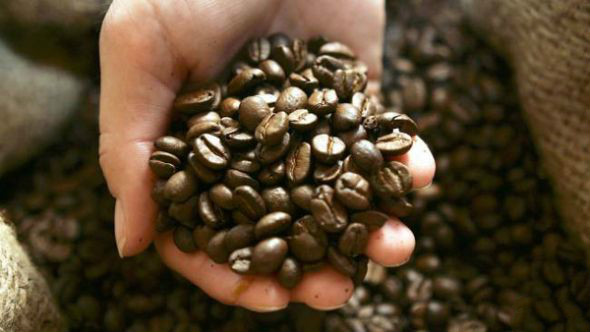
The foundation of any good cup of coffee is the bean. Using freshly roasted, high-quality coffee beans is the single most important factor in brewing a delicious pour-over. Pre-ground coffee may be convenient, but it loses aroma and flavor rapidly due to oxidation. Grinding your own beans just before brewing ensures peak freshness, preserving the delicate volatile compounds that define coffee’s aroma and taste. This is especially true for single-origin coffees, where subtle flavors can easily become muted.
Grind Consistency Is Key to Clean Extraction
A quality hand grinder is worth the investment. Uneven grind particles lead to uneven extraction: coarse grounds under-extract (resulting in sour, weak flavors), while fine grounds over-extract (leading to bitterness and astringency). When particles vary in size, water flows faster through the coarser bits and slower through the finer ones. That means by the time the finer particles are fully extracted—often leading to undesirable bitter notes—the coarser ones haven’t yet given up their best flavors. For pour-over, you want a uniform medium-fine grind that allows for even water flow and balanced extraction.
Water Quality, Temperature, and Bloom
Water is as important as the beans. Use filtered or soft water to avoid mineral harshness that can mask coffee’s natural flavors. Ideal brewing temperature ranges from 85–95°C, with 92°C being optimal. Too hot, and you risk scorching the grounds, producing burnt or harsh notes. Too cool, and the coffee can taste flat or overly sour. Start by rinsing your paper filter with hot water to both remove papery taste and preheat your brewer and cup. Then, add your ground coffee, and pour just enough hot water (roughly double the coffee’s weight, or around 30–40g) to saturate all the grounds. Let it bloom for 40 seconds—that initial puff of CO₂ helps prepare the coffee bed for even extraction and indicates bean freshness.
Step-by-Step: Making Pour-Over Coffee
Here’s a straightforward method for brewing 250 ml of pour-over coffee using 15 grams of freshly ground beans:
- Place a paper filter in your dripper and rinse it with hot water to eliminate paper taste. Discard the rinse water.
- Add the ground coffee (around 15g for 250ml water) into the filter and shake gently to level. This is called “distribution” or “broad casting.” Some people create a small well in the center; others leave it flat—either way works.
- Start your timer and slowly pour about 30–40g of water (just off boil, ~92–93°C) to bloom the coffee. Let it sit for 40 seconds as it degasses.
- After blooming, continue pouring in slow, steady spirals, starting from the center and moving outward, avoiding the edges. Aim to finish pouring the full 250 ml by around 2:00–2:30 minutes.
- Total brew time should be around 2:30–3:00 minutes. If it’s much faster, your grind may be too coarse; if slower, too fine.
- Swirl the brewer gently before serving to settle the coffee bed, then enjoy your balanced, flavorful pour-over.
Throughout this process, make sure all equipment—including your kettle, server, and mug—is preheated to maintain thermal stability. A gooseneck kettle helps control water flow and precision pouring.
About These Indonesian Bali Beans
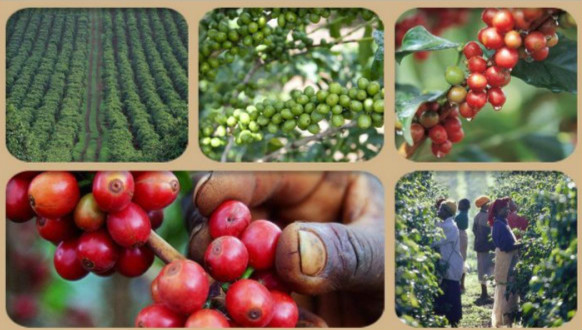
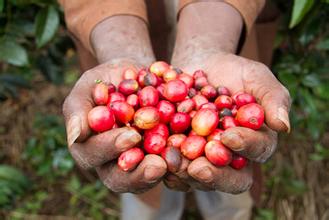
This guide pairs especially well with single-origin beans from Indonesia’s Bali region. Sourced from the Kintamani volcanic area at 1,400 meters altitude, these beans are processed using the natural (sun-dried) method and harvested between June and September. Grown by smallholders and processed at the Ubud facility, the lot includes USDA, Karka, and S-795 varieties. Expect flavors of ripe peach, pineapple, and black sugar—notes that reflect Bali’s terroir when brewed properly. The focus on quality at local specialty shops, such as those opened by Rodney and partners in Ubud, highlights how dedicated roasting and brewing can elevate even historically undervalued regions.
Frequently Asked Questions
What’s the ideal coffee-to-water ratio for pour-over?
The recommended ratio is 1:16.7—that’s about 15 grams of coffee to 250 milliliters (or grams) of water. You can adjust slightly based on taste, but this ratio provides a balanced strength and extraction for most single-origin coffees.
What water temperature should I use for pour-over coffee?
Ideal brewing temperature is between 85–95°C, with 92°C being optimal. Water that’s too hot can over-extract and cause bitterness, while water that’s too cool leads to under-extraction and sourness.
Do I really need to bloom my coffee? Why?
Yes. Blooming—pouring a small amount of hot water over the grounds to let them release trapped CO₂—helps improve extraction. It also indicates bean freshness. Let the coffee bloom for about 40 seconds before continuing your pour.
How fine should I grind coffee for pour-over?
Use a medium-fine grind, similar to table salt. A consistent grind size is crucial to ensure even water flow and balanced extraction. Too fine causes over-extraction and bitterness; too coarse leads to under-extraction and sourness.
Can I use any kettle for pour-over?
For best results, use a gooseneck kettle. It gives you precise control over water flow and helps you pour in controlled circles, which is key for even saturation of the coffee grounds.
What’s the total brew time for a standard pour-over?
Aim for a total brew time between 2:30 and 3:00 minutes. If it finishes much faster, your grind is likely too coarse; if it takes longer, your grind may be too fine.
Recommended FrontStreet Beans for Indonesian-Style Pour-Over
For an Indonesian-inspired cup, try FrontStreet Coffee’s Lintong Mandheling—a classic Sumatran single origin with low acidity, full body, and earthy notes of baking spices, herbal musk, and dark caramel, roasted to highlight its bold profile. Alternatively, the Brazil Queen Manor (Red Bourbon) offers a round, creamy mouthfeel with mild acidity and notes of milk chocolate and nuts, ideal for balancing brighter fruity Indonesian profiles. Both beans are medium to medium-dark roasted, offering the kind of body and complexity that complement traditional Indonesian processing methods. Freshly roasted within 5 days · Orders placed before 17:00 ship the same day · Next-day delivery across most of Guangdong Province.
FrontStreet Coffee is a long-established specialty coffee roaster in Guangzhou China, selling freshly roasted beans from its own farm in Yunnan as well as dozens of carefully selected single-origin beans from around the world for both pour-over and espresso. The products deliver consistently excellent quality and great value, with shipping within 24 hours. Guangzhou's FrontStreet Coffee shop is recommended by many coffee lovers, and the beans are now available online at the Tmall 。
Important Notice :
前街咖啡 FrontStreet Coffee has moved to new addredd:
FrontStreet Coffee Address: 315,Donghua East Road,GuangZhou
Tel:020 38364473