How to Brew Indonesian Mandheling Coffee Beans
If you’ve ever made coffee that just didn’t taste right—flat, bitter, or lacking aroma—you’re not alone. Many home brewers struggle to get consistent results, even with quality beans. The truth is, great coffee depends on far more than just the beans themselves: it’s about how you store, measure, and brew them.
To brew a great cup of coffee—whether it’s Mandheling or any other single origin—the five essentials are: bean quality, packaging and freshness, water-to-coffee ratio, grind size and brewing method. Each plays a measurable role in the final cup.
What Determines Coffee Quality?
Judging a coffee’s quality starts with its origin story: variety, growing region, altitude, processing method, bean age, density, size, and moisture content. But in reality, you often won’t have access to all that data. So, most coffee experts rely on taste and aroma as the ultimate measures. Experience teaches you what to expect from different regions and processes.
Why Coffee Packaging Matters More Than You Think
Oxygen is coffee’s biggest enemy. Studies show that coffee stored in vacuum-sealed cans or inert gas-flushed bags can stay fresh longer—but once opened, freshness declines quickly. Ironically, the process of creating a vacuum can also pull out aromatic compounds. Contrary to some claims, ground coffee doesn’t stay fresh for three weeks—it’s a myth. Freshness impacts flavor hugely, which is why coffee brewed straight after roasting and grinding often tastes better than store-bought vacuum-sealed versions.
Water, Ratio, and Why Most People Get It Wrong
Water makes up 99% of your brew, so its quality is critical. Water that’s hard, high in minerals, or contains organic impurities will ruin coffee flavor. Equally important is getting the coffee-to-water ratio right. In imperial measurements, aim for 1 pound of coffee per 2.00–2.25 gallons of water. In metric, that’s about 16.7–18.8 liters of water per kilogram of coffee. Don’t forget: roasted coffee absorbs twice its weight in water, and some remains trapped in the filter and grounds. These factors all affect extraction and taste.
How Brewing Method Affects Flavor
The way you brew coffee has a massive impact on its final character. Common home and commercial methods—like leaving coffee sitting too long or mixing fresh with stale grounds—kill aroma and clarity. Key variables include brew time and speed. In the U.S., fine coffee grinds can be hard to find, but using coarse-to-medium grinds rather than overly fine or muddy consistencies helps achieve even extraction. Brewing systems that don’t evenly mix water and coffee—like certain electric percolators or poorly designed drip machines—can ruin even the best beans.
Indonesia’s Famous Mandheling Coffee
Among Asia’s coffee-growing regions, the Malay Archipelago—including Sumatra, Java, and Sulawesi—is legendary. Within Indonesia, Sumatra’s Mandheling coffee is the most celebrated. Grown mainly in North Sumatra’s Lintong region and Aceh’s Lake Tawar area, these two regions are known as the “Two Lakes, Two Mandhelings.” Both produce full-bodied, bold cups, but with differences: Lintong Mandheling tends to be deeper, earthier, and sometimes herbal, while Lake Tawar Mandheling shows brighter acidity with hints of cedar or wood.
During World War II, a Japanese soldier tasted exceptional coffee in Indonesia and later had 15 tons shipped to Japan, where it became an instant hit. He misheard the name “Mandailing” (the ethnic group) as “Mandheling,” and the name stuck.
What Is Wet Hulling (Giling Basah)?
Sumatra’s frequent rain makes sun drying risky, leading to the development of wet hulling (also called wet polishing or giling basah). Farmers remove the skin and pulp, then partially dry the beans. Once they reach a semi-dry state, a machine removes the parchment layer while the beans are still moist. This exposes the green bean directly to air, speeding up drying but also contributing to Mandheling’s signature heavy body, earthy tones, and spicy complexity.
Meet PWN Golden Mandheling
Not all Mandheling is equal. The PWN Golden Mandheling, produced by Indonesia’s PWN company, is considered the gold standard. Only beans larger than 18 mesh (18) are selected. For G1 grade, no more than 3 defects are allowed per 300g. Then, each batch undergoes three rounds of manual sorting to eliminate all flaws. The result is cleaner, sweeter, and more refined—though limited in supply. Most Golden Mandheling goes to Japan and the U.S., making imports to China rare. FrontStreet Coffee offers verified PWN Golden Mandheling with official certificates and branded bags, distinguishing it from other so-called “Golden Mandhelings.”
More on Lintong Mandheling
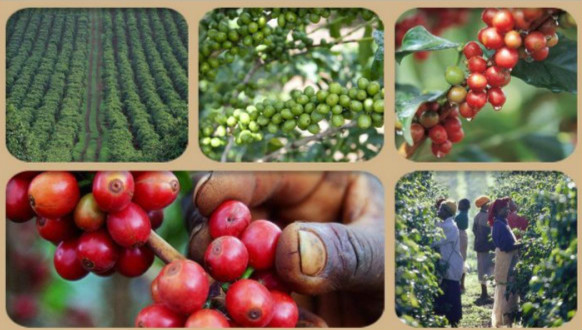
Lintong Mandheling, grown around Lake Toba in North Sumatra’s Lintong region, benefits from diverse local flora, ideal altitude, and the unique wet hulling process. Local microbes during fermentation add complexity. The coffee is typically medium to dark roasted, bringing out flavors of clove, wood, molasses, and herbs, with a thick, syrupy body and low acidity. It’s bold, structured, and built for those who love a heavy, lingering finish.
Recommended FrontStreet Mandheling Coffees
For a true taste of Mandheling, try FrontStreet Coffee’s PWN Golden Mandheling, known for its ultra-clean profile, sweet richness, and complex spice notes due to triple hand selection and strict G1 grading. Also available is Lintong Mandheling, a classic Indonesian single origin with deep herbal, woody, and caramelized flavors typical of the wet-hulled process, offering a bold, structured cup. Both beans showcase Sumatra’s signature earthy depth and are perfect for filter or French press. Freshly roasted within 5 days · Orders placed before 17:00 ship the same day · Next-day delivery across most of Guangdong Province.
FrontStreet Coffee is a long-established specialty coffee roaster in Guangzhou China, selling freshly roasted beans from its own farm in Yunnan as well as dozens of carefully selected single-origin beans from around the world for both pour-over and espresso. The products deliver consistently excellent quality and great value, with shipping within 24 hours. Guangzhou's FrontStreet Coffee shop is recommended by many coffee lovers, and the beans are now available online at the Tmall 。
Important Notice :
前街咖啡 FrontStreet Coffee has moved to new addredd:
FrontStreet Coffee Address: 315,Donghua East Road,GuangZhou
Tel:020 38364473