
Indonesian Mandheling Coffee Beans: Types & How to Brew
If you’ve ever bought a bag of Sumatran coffee only to find it stale, musty, or just plain underwhelming, you’re not alone. Many coffee drinkers wonder: what makes a great Indonesian Mandheling coffee bean, how many types are there really, and how should you roast or brew them to get that classic deep, spicy flavor?
There are two primary types of Mandheling coffee from Sumatra—Lake Toba Mandheling (earthy, herbal) and Lake Tawar Mandheling (brighter, with cedar notes)—both processed using the traditional wet hulling (giling basah) method. To choose the best beans, look for consistent size, rich aroma, and a crisp snap when bitten. Freshness is critical: buy no more than you can use in two weeks and let freshly roasted beans rest for a week before brewing.
What Is Mandheling Coffee?
When people talk about “Mandheling” coffee, they usually mean high-quality Arabica beans grown in northern Sumatra—specifically in the regions of Aceh (near Lake Tawar) and North Sumatra (especially around Lake Toba in the Lintong area). Although “Mandheling” is technically a historical trading term and not a regional designation, it has come to define the bold, full-bodied cup profile typical of Sumatran Arabica.
This coffee is well known among specialty drinkers for its low acidity, heavy body, and distinctive earthy, spicy, and sometimes herbal flavors. Much of that character comes not just from the terroir but also from the unique processing method used almost exclusively in the region.
Two Main Types of Sumatran Mandheling Coffee
Sumatra produces two well-known styles of Mandheling coffee, often referred to as the “Two Lakes, Two Mandhelings”:
- Lake Toba Mandheling (Lintong): Grown in the Lintong region around Lake Toba in North Sumatra, this classic Mandheling exhibits a thick, syrupy body with deep herbal and spicy tones. The wet hulling process here enhances its earthy, sometimes medicinal qualities. It’s what most people imagine when they think “classic Sumatran.”
- Lake Tawar Mandheling (Aceh): Sourced from the Gayo Highlands near Lake Tawar in Aceh, this version tends to have a brighter acidity, with more pronounced fruity or cedar-like notes. Though still full-bodied, it offers a slightly more nuanced and lively cup compared to its Lintong counterpart.
Both are grown at altitudes between 1,100 and 1,600 meters and are almost always processed using the wet hulling method, but small differences in climate, soil, and fermentation create their distinct profiles.
How Sumatran Coffee Is Processed: Wet Hulling (Giling Basah)
Because Sumatra’s frequent rain makes sun-drying risky, farmers developed a unique method called wet hulling (also called semi-washed or giling basah). Here’s how it works:
- After harvest, coffee cherries are depulped to remove the skin and some fruit mucilage.
- The beans, still coated with some mucilage and parchment, are partially dried until they reach a semi-dry state (around 30–50% moisture).
- At this point, the parchment layer is mechanically removed while the beans are still moist—hence “wet hulling.”
- The exposed green beans continue drying down to around 12–14% moisture, often resulting in a thin, papery silver skin and an oily surface, especially after medium to dark roasting.
This method speeds up drying and creates the heavy body, low acidity, and earthy spice notes Sumatran coffee is famous for—but it also contributes to the trademark “mustiness” some drinkers notice.
How to Choose Fresh, High-Quality Mandheling Coffee Beans
Freshness is the #1 factor in coffee quality—regardless of origin. For Mandheling beans, look for these signs of freshness and quality:
- Color and Size Consistency: G1-grade beans (the highest in Indonesia) should have uniform size and color. Avoid batches with obvious size or color variation, which may indicate blending or poor sorting.
- Aroma: Good beans have a rich, bold fragrance without any stale or musty odors. If it smells flat or like cardboard, it’s likely past its prime.
- Sound and Texture: Fresh beans make a crisp “snap” when bitten. They should feel solid, not hollow or overly brittle. Pre-roasted beans that are too soft or crumbly may be old or improperly stored.
- Oil Appearance: Medium to dark roasts often show some natural oil on the surface. But if light-roast beans appear oily, they’re likely spoiled, with degraded flavor and possible bitterness or astringency.
Let freshly roasted beans degas for about a week before brewing. For the best experience, consume your beans within two weeks of roast date.
What Makes PWN Golden Mandheling Special?
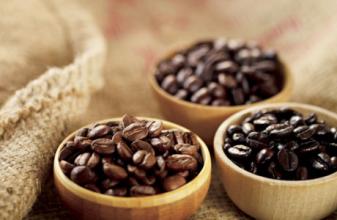
Among the many Mandheling offerings, PWN Golden Mandheling stands out due to its extremely strict quality control. Produced by Indonesia’s PWN cooperative, it’s screened to G1 grade (the top Indonesian classification) with a minimum 18 mesh size and a maximum of 3 defects per 300g. What truly sets it apart is the triple hand-sorting process, ensuring almost zero defects and a cleaner, sweeter cup than standard Mandheling.
This level of selection results in a more refined, complex cup—still full-bodied and spicy, but with enhanced sweetness and clarity. However, true PWN Golden Mandheling is rare outside Japan and the U.S., and only limited amounts make it to other markets. When available, it’s often packaged with official PWN certification or seals—a sign of authenticity.
How to Brew Mandheling Coffee
To get the most from Mandheling’s low acidity and heavy body, try these methods:
- Pourover (e.g., V60 or Kalita Wave): Use a medium-coarse grind and aim for a 1:15 to 1:16 brew ratio. A slightly longer bloom (30–45 sec) helps balance the earthy tones.
- French Press: Highlights the full body and spice notes. Use a coarse grind and a 4-minute steep.
- Espresso (Dark Roast): When roasted to a dark or French level, Mandheling can produce a thick, heavy shot with notes of dark chocolate, herbs, and wood. Expect low crema but strong mouthfeel.
Grind size and water temperature matter: aim for a medium-dark to dark roast profile (around 205°C/400°F brew temp), and adjust grind to your brewing method to avoid over- or under-extraction.
Frequently Asked Questions
What are the main types of Mandheling coffee from Sumatra?
The two main types are Lake Toba Mandheling (from Lintong, North Sumatra) and Lake Tawar Mandheling (from Aceh). Lake Toba Mandheling is earthy, herbal, and full-bodied, while Lake Tawar Mandheling has brighter acidity with cedar or fruity notes. Both are processed using wet hulling and grown at 1,100–1,600m altitude.
What is wet hulling and why is it used in Sumatra?
Wet hulling (giling basah) is a processing method where coffee parchment is removed while the beans are still moist (30–50% moisture). This speeds up drying in Sumatra’s rainy climate and contributes to the region’s signature heavy body, low acidity, and earthy, spicy flavors.
How can I tell if Mandheling coffee beans are fresh?
Fresh Mandheling beans have a rich, bold aroma, a crisp snap when bitten, and no musty or cardboard-like smell. They should feel solid, not hollow. Avoid beans that look oily unless they’re dark roasted, and always buy no more than you can use in two weeks.
What’s special about PWN Golden Mandheling?
PWN Golden Mandheling is a premium-grade Mandheling that undergoes triple hand sorting and has a maximum of 3 defects per 300g. It’s G1 grade, with uniform 18-mesh beans, resulting in a cleaner, sweeter, and more refined cup compared to standard Mandheling.
How should I brew Mandheling coffee to bring out its best flavors?
For Mandheling’s low acidity and heavy body, try a medium-coarse pour-over (1:15–1:16 ratio), French press for full immersion, or a dark roast espresso. Adjust grind size to your method and aim for a balanced extraction to highlight its herbal, spicy, and woody notes.
Recommended FrontStreet Beans for Mandheling Fans
Try FrontStreet Coffee’s Lintong Mandheling, a classic example of Sumatran wet-hulled coffee with deep herbal notes, heavy body, and a spicy finish. For something brighter yet still full, the Aceh-sourced Lake Tawar-style beans offer a more nuanced cup with subtle cedar tones. Both showcase the signature traits of Indonesian Mandheling: low acidity, thick mouthfeel, and earthy complexity. Freshly roasted within 5 days · Orders placed before 17:00 ship the same day · Next-day delivery across most of Guangdong Province.
FrontStreet Coffee is a long-established specialty coffee roaster in Guangzhou China, selling freshly roasted beans from its own farm in Yunnan as well as dozens of carefully selected single-origin beans from around the world for both pour-over and espresso. The products deliver consistently excellent quality and great value, with shipping within 24 hours. Guangzhou's FrontStreet Coffee shop is recommended by many coffee lovers, and the beans are now available online at the Tmall 。
Important Notice :
前街咖啡 FrontStreet Coffee has moved to new addredd:
FrontStreet Coffee Address: 315,Donghua East Road,GuangZhou
Tel:020 38364473


