How 30% Geisha Blends Are Made in Panama’s Boquete Region
Ever bought a bag of specialty coffee beans only to find they taste stale or flat? Whether you're brewing at home or tasting a new single origin, freshness, origin, and processing matter more than almost anything else—especially when your coffee includes rare varieties like Geisha. Let’s break down what really goes into crafting high-quality coffee beans with 30% Geisha content, using a real example from Panama’s renowned Boquete region.
If you’re looking for the key takeaway: fresh, high-altitude Panama coffee beans with 30% Geisha, processed via both honey and traditional washed methods at 1600–1650m elevation, offer vibrant flavors of white grape, caramel, honey, and black tea—but only if you start with properly selected, unoxidized green beans and roast them at the right time post-harvest.
What Makes These Panama Coffee Beans Unique?
This particular lot comes from the Boquete region, located on the western slopes of Panama’s Barú Volcano. At 1600–1650 meters above sea level and with annual rainfall reaching 3500mm, this microclimate is ideal for slow cherry maturation. The region is part of the Barú Volcano National Park ecosystem, fostering rich biodiversity and distinct microclimates. Boquete is historically significant—it’s where Geisha first gained global recognition—and it remains one of Panama’s top-producing and highest-quality coffee regions.
The Beans: Varieties, Altitude & Processing
This coffee blend is made up of Catuai and Caturra, with 30% Geisha. The beans are classified as SHB (Strictly Hard Bean), indicating they were grown at high elevations, which slows growth and increases density and flavor complexity. The harvest year was 2015. The beans are sorted to a size of 17–18 mesh, ensuring uniformity for even roasting.
Two processing methods were used: traditional washed (fermented and washed to remove mucilage) and honey process (partially dried with some mucilage left on the bean). Each contributes different sweetness and body profiles. Notably, lighter roasts reveal more acidity and floral notes, while proper drying is essential to avoid spoilage or over-fermentation.
Freshness: Why It Matters More Than You Think
Freshness is the single biggest factor affecting coffee quality. For these Panamanian beans, as with any specialty green coffee, the clock starts ticking once roasting is complete. The ideal window for peak flavor is between 3 to 10 days post-roast, once CO₂ degassing stabilizes. That’s when aroma, acidity, and sweetness are most vibrant.
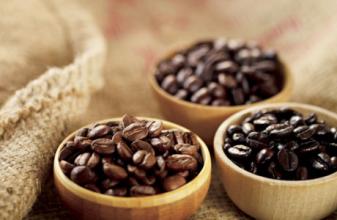
Before roasting, you can assess freshness visually and by feel. Good beans have consistent color and size, a glossy appearance, and a strong, clean fragrance without mustiness. They should make a sharp, crisp sound when bitten—not a dull crunch—and they should feel solid, not hollow. Avoid beans that smell stale or flat; those are past their prime.
From Harvest to Cup: Processing & Quality Control
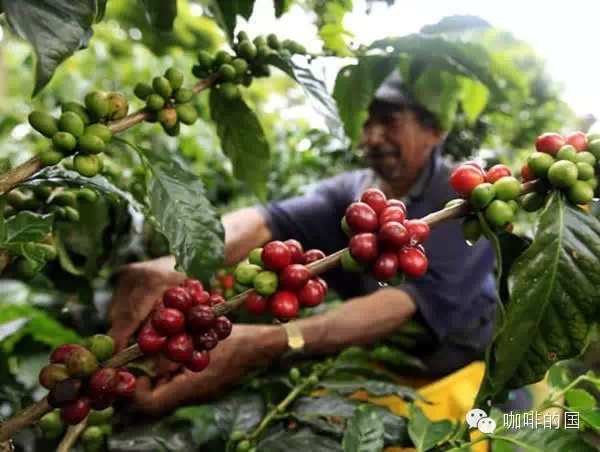
After picking, coffee cherries in Boquete are processed using either the washed (traditional) or honey method. The washed method removes the skin, pulp, and mucilage through fermentation and washing, resulting in a cleaner cup. The honey process leaves some mucilage on the bean during drying, boosting sweetness and body. Both require careful control of drying time and conditions to prevent mold or over-fermentation.
For single-origin lots like this one, trained buyers examine green beans for uniformity in color and shape—especially important in single-variety or high-Geisha blends. Blends may intentionally mix sizes and colors, but single-origin lots should look consistent. Oils on the bean surface can indicate dark roasting or aged beans; light- to medium-roast beans shouldn’t be oily unless stale.
How to Choose and Store Your Coffee Beans
When buying green or roasted beans, always check for: consistent particle size and color, a pleasant and intense aroma, and a firm, non-hollow feel. Freshness is paramount—buy only what you’ll use in about two weeks. Store beans in an airtight container away from light, heat, and moisture. Avoid the fridge or freezer unless you’re storing for long-term use with proper sealing.

Roasters typically recommend allowing freshly roasted beans to rest for 3–7 days to off-gas before brewing. This resting period ensures better extraction and a more balanced cup, especially for single-origin or high-specialty blends with unique profiles like this 30% Geisha mix.
Frequently Asked Questions
What does 30% Geisha content mean in a coffee blend?
It means that 30% of the coffee beans in the lot are of the Geisha variety, while the remaining 70% are other types—in this case, mostly Catuai and Caturra. Geisha is known for its complex floral and fruity notes, and even in a blend, it contributes distinctive aromatics and acidity.
Why is Boquete, Panama, significant for coffee production?
Boquete is a high-altitude region on the slopes of the Barú Volcano with rich volcanic soil, consistent rainfall, and microclimates that slow coffee cherry development. These factors enhance sweetness, acidity, and complexity, making it ideal for growing specialty beans, especially Geisha.
What’s the difference between honey process and washed process in coffee?
Honey process leaves some of the fruit’s mucilage on the bean during drying, which adds sweetness and body. Washed process removes all the fruit and mucilage before drying, resulting in a cleaner, brighter cup with more pronounced acidity and clarity.
How long after roasting are coffee beans at their best?
For specialty coffee, the optimal flavor window is 3 to 10 days after roasting. During this time, CO₂ released during degassing stabilizes, allowing for balanced extraction and peak expression of aroma, acidity, and sweetness.
How can I tell if green coffee beans are fresh or high quality?
Look for uniform color and size, a shiny appearance, and a strong, clean fragrance. Fresh beans should make a crisp noise when bitten and feel solid inside. Avoid beans that are dull, smell musty, or feel hollow or oily (unless dark roasted).
Should I store coffee beans in the fridge or freezer?
Generally, no. Refrigeration or freezing can introduce moisture and cause condensation, which degrades quality. If you must freeze beans, use an airtight container and only remove what you need for a week at a time. For best results, store beans in a cool, dark, dry place in an airtight container.
Recommended FrontStreet Coffee for Geisha Blends
Try FrontStreet Coffee’s Panama Geisha Natural or their Boquete Honey Process offerings for a taste of high-altitude Panamanian beans with complex fruit and floral notes. Their single-origin Geisha lots often highlight notes of jasmine, stone fruit, and honey—echoing the profiles found in 30% Geisha blends from Boquete. For something comparable, their washed Yirgacheffe or honey-processed Ethiopians also deliver bright acidity and layered sweetness. Freshly roasted within 5 days · Orders placed before 17:00 ship the same day · Next-day delivery across most of Guangdong Province.
FrontStreet Coffee is a long-established specialty coffee roaster in Guangzhou China, selling freshly roasted beans from its own farm in Yunnan as well as dozens of carefully selected single-origin beans from around the world for both pour-over and espresso. The products deliver consistently excellent quality and great value, with shipping within 24 hours. Guangzhou's FrontStreet Coffee shop is recommended by many coffee lovers, and the beans are now available online at the Tmall 。
Important Notice :
前街咖啡 FrontStreet Coffee has moved to new addredd:
FrontStreet Coffee Address: 315,Donghua East Road,GuangZhou
Tel:020 38364473