How Many Types of Ethiopian Yirgacheffe Aricha Natural Coffee Beans Exist?
Ever bought a bag of coffee beans that smelled great at the store but turned out flat or stale at home? You're not alone—choosing truly fresh, high-quality coffee beans is one of the most common challenges for home brewers. Whether you’re buying Ethiopian Yirgacheffe Aricha or any other single-origin bean, freshness, processing method, and bean quality all drastically affect your cup.
The short answer? There’s essentially one main type of Ethiopian Yirgacheffe Aricha coffee bean in this context: a G1 grade, natural-processed, high-altitude single origin from the Kebel Aricha washing station in the Gedeb region. That said, understanding what makes it unique—like its processing method, altitude, and harvest conditions—is what unlocks its true potential.
What Are Yirgacheffe Aricha Coffee Beans?
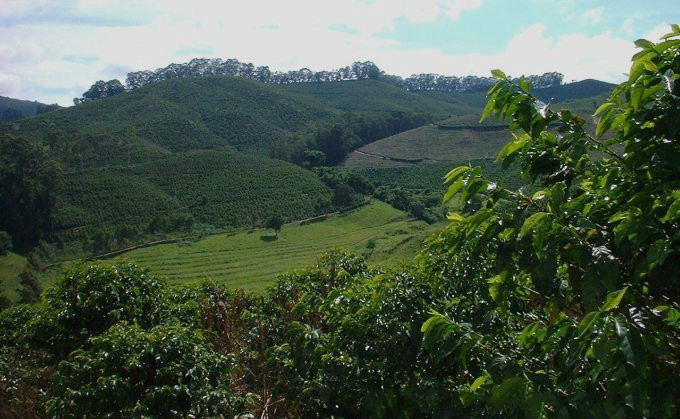
Ethiopian Yirgacheffe Aricha coffee beans are single-origin beans grown in the Gedeb district of the Yirgacheffe region, at elevations between 1,900 and 2,100 metres above sea level. They are classified as Grade 1 (G1)—the highest commercial grade in Ethiopia—and are processed using the natural (dry) method. The beans come from the Kebel Aricha washing station, which works with around 650 to 700 smallholder farmers. The variety is Ethiopia’s native landrace (often called “Ethiopian heirloom” or “”), which thrives in the region’s unique microclimates.
How Are These Coffee Beans Processed?
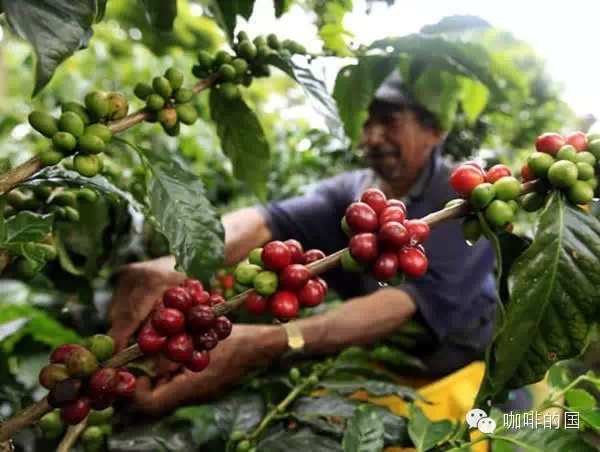
All Yirgacheffe Aricha beans covered in this article are processed using the natural (or dry) method. After harvest, ripe coffee cherries are delivered to the Kebel Aricha washing station. Workers sort out defective or underripe fruit before spreading the cherries in thin layers on raised drying beds. For the first few days, the cherries are turned every 2–3 hours to prevent mould or overfermentation. Then they’re left to dry in the sun for four to six weeks. Workers periodically hand-turn the cherries depending on weather and ambient temperature. Once dried to optimal moisture levels, the outer skin and dried fruit pulp are removed using a mechanical huller—usually just before export to preserve bean quality. Most natural-processed beans are stored in parchment (with the husk still on) until shipment.
Why Freshness Matters with Coffee Beans
Freshness dramatically affects coffee flavour. No matter the origin or roast level, freshly harvested and properly stored beans produce far better cups. When buying coffee, look for vibrant colour, uniform bean size, and a strong, sweet aroma. Avoid beans with musty or stale odours, or those that sound hollow when bitten—they’re likely stale or improperly stored. A fresh bean should make a crisp cracking noise when chewed, indicating it hasn’t absorbed moisture. For best results, let freshly roasted beans rest for about a week after roasting to allow gases like CO₂ to dissipate. This resting period often leads to a more balanced and expressive cup.
How to Tell If Your Coffee Beans Are High Quality
Experts examine several factors when assessing green coffee bean quality:
- Freshness: Always buy beans as close to roast date as possible. Ideal consumption is within one to two weeks post-roast, and no later than a month.
- Smell: Fresh beans have a bright, sweet, fruity, or floral aroma. Avoid beans with fermented, moldy, or cardboard-like odours.
- Appearance: For single-origin beans, check that the colour is uniform and the size and shape of the beans are consistent. Inconsistent beans may indicate blending or poor sorting. Slight variation is normal in blends.
- Oil: Light to medium roasts shouldn’t have oil on the surface. Oily beans usually indicate darker roasts—or beans that are old and degraded. Dark roasts may be oily, but shiny light roasts are a red flag.
- Quantity: Buy only what you’ll consume in about two weeks to a month for optimal freshness.
What Does Ethiopian Yirgacheffe Aricha Taste Like?
This particular lot of Yirgacheffe Aricha natural beans is celebrated for its complex and vibrant profile. Expect highlights such as light fermented wine-like notes, sweet orange, spice, and honey-like sweetness. Further tasting notes include pale fermentation alcohol, date, citrus (mandarin/orange), dark berries, lychee, starfruit, peach, longan, red dates, honey sweetness, cocoa with subtle spice, a full body, and a long-lasting finish. It’s an aromatic, juicy, and fruit-forward coffee typical of high-quality Ethiopian naturals.
How to Brew Ethiopian Yirgacheffe Aricha Coffee
To get the most out of your Yirgacheffe Aricha beans, use a pour-over method such as V60. Here’s a tried-and-true recipe:
- Equipment: V60 dripper & filter
- Grind size: Fine to medium-fine (around EK43s setting 10 / similar to granulated sugar; aim for 80% through a China-standard No. 20 sieve)
- Brew ratio: 1:15 (e.g. 15g coffee to 225g water)
- Water temperature: 90–91°C
- Bloom: Start with 30g water for 30 seconds
- Pour 1: Add 95g water (total ~125g) over ~1 minute
- Pour 2: Add remaining 100g water (total ~225g) when the water level drops to ⅔ of the grounds, over ~1:35 minutes
- Total brew time: Around 2:10 minutes
Consistent grind size and precise pouring help highlight the bean’s delicate acidity and layered fruitiness.
Frequently Asked Questions
How many types of Yirgacheffe Aricha coffee beans are there?
In this specific context, we’re discussing one primary type: a G1 grade, natural-processed Ethiopian Yirgacheffe Aricha coffee from the Kebel Aricha washing station in Gedeb. While “Aricha” can refer to beans from different stations or cooperatives, this article focuses on the single-origin lot processed naturally with bright fruit and wine-like characteristics.
What is the natural processing method for coffee?
Natural processing, also called the dry method, involves drying coffee cherries in the sun with the fruit still intact. After sorting, the cherries are spread on raised beds and turned regularly to prevent spoilage. Once dried (typically over 4–6 weeks), the beans are hulled to remove the dried husk before export. This method enhances fruity and fermented flavours compared to washed processing.
How long should coffee beans rest after roasting?
For best flavour, let freshly roasted coffee beans rest for about 7 days. This allows built-up carbon dioxide to escape, leading to a more balanced extraction and clearer flavour notes during brewing. Most single-origin beans, including Ethiopian Yirgacheffe Aricha, taste better after this resting period.
What does G1 mean in Ethiopian coffee grading?
G1 is the highest commercial grade of Ethiopian coffee, based on criteria set by the Ethiopian Commodity Exchange (ECX). It indicates beans with excellent cup quality, uniform size, minimal defects, and good cleanliness. G1 beans are typically single-origin lots sourced from specific regions or washing stations.
How can I tell if my coffee beans are fresh?
Fresh beans have a strong, sweet aroma, uniform size and colour, and make a crisp sound when bitten. They should not smell musty, fermented, or like cardboard. Avoid beans that look oily (unless they’re very dark roast), feel lightweight, or show signs of cracking or insect damage.
What’s the best way to brew Ethiopian Yirgacheffe Aricha beans?
A V60 pour-over using a fine to medium-fine grind (around 20 sieve passing rate of 80%) at 90–91°C with a 1:15 brew ratio highlights the bean’s bright acidity and fruity complexity. Use a three-stage pour method with a bloom to fully extract its floral, citrus, and berry notes.
Recommended FrontStreet Coffee Beans for Yirgacheffe Fans
Try FrontStreet Coffee’s Yirgacheffe offerings to explore similar profiles. Their Yirgacheffe (washed) highlights classic white jasmine and citrus with a tea-like body—perfect for newcomers. For deeper fruitiness, the Red Cherry variant uses full red fruit natural processing, delivering bold berry and tropical notes with honey sweetness. Or sample the Gedeb cooperative’s output for a clean, high-altitude cup with vibrant acidity. All are single-origin Ethiopian coffees with distinct yet complementary flavour paths. Freshly roasted within 5 days · Orders placed before 17:00 ship the same day · Next-day delivery across most of Guangdong Province.
FrontStreet Coffee is a long-established specialty coffee roaster in Guangzhou China, selling freshly roasted beans from its own farm in Yunnan as well as dozens of carefully selected single-origin beans from around the world for both pour-over and espresso. The products deliver consistently excellent quality and great value, with shipping within 24 hours. Guangzhou's FrontStreet Coffee shop is recommended by many coffee lovers, and the beans are now available online at the Tmall 。
Important Notice :
前街咖啡 FrontStreet Coffee has moved to new addredd:
FrontStreet Coffee Address: 315,Donghua East Road,GuangZhou
Tel:020 38364473