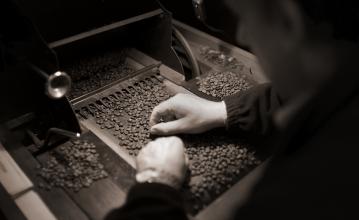
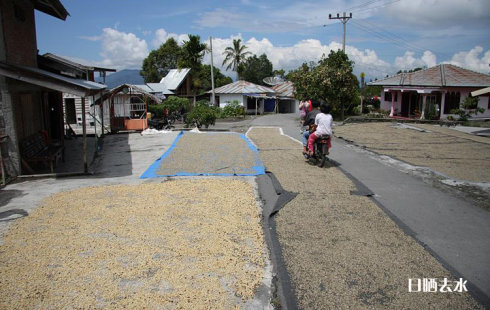
How Many Red Honey Process Types Does Costa Rica’s Fire Phoenix Farm Offer
If you’ve ever bought coffee beans only to find them stale, under-roasted, or tasting flat, you’re not alone. Many coffee lovers unknowingly start with beans that aren’t fresh or properly processed, leading to disappointment no matter how good their brewing setup is. Understanding how coffee beans are grown, harvested, and processed—especially unique methods like red honey—is the first step toward consistently great cups.
There is one main red honey process used at Costa Rica’s Fire Phoenix Estate, though the term 'red honey' refers to a consistent style of partial cherry pulp retention and medium-sun drying—not multiple sub-varieties. This single approach yields highly sweet, complex profiles due to careful fruit selection and environmental care.
What Is the Fire Phoenix Estate and What Makes It Special?
Fire Phoenix Estate is located in the fertile volcanic hills of Poás in Costa Rica’s Central Valley. It sits between 1,300–1,500 metres above sea level and receives around 3,000 mm of rain annually. The farm exclusively grows Caturra and Catuai coffee varieties, and is 100% organic—no synthetic fertilisers or pesticides are used. The estate was one of the first in Central and South America to commercially produce honey-processed and naturally dried coffees. In 2009, it gained recognition in specialty coffee competitions.
Beyond avoiding chemicals, Fire Phoenix uses environmentally sustainable practices like rainwater collection and worm composting (vermicomposting) for fertiliser. Their commitment to quality and sustainability shows in the cup: their red honey coffees are celebrated for their intense sweetness and clean complexity.
How Is Red Honey Coffee Processed at Fire Phoenix?
The red honey process—also called medio honey in some regions—is a middle ground between washed (water-processed) and natural (dry-processed) methods. After harvesting, the coffee cherries are depulped to remove the outer skin and some fruit mucilage is left intact on the beans. At Fire Phoenix, the amount of mucilage left is carefully managed to achieve the signature red honey profile.
These partially pulped beans are then dried on patios or raised beds, typically with some sun exposure but often shaded to slow drying and develop deeper sweetness. Fire Phoenix monitors sugar levels using a refractometer known as a Brix meter. Only coffee cherries with a Brix reading over 20% are selected for red honey or natural sun-drying processes. For comparison, apples measure around 14%, lemons 12%, and passionfruit 18%. Fire Phoenix coffee cherries often reach 21–22% Brix, indicating exceptional ripeness and sugar concentration.
The red honey process results in a cup that balances bright acidity with heavy sweetness and body. Notes commonly include dried fruit, vanilla, honey, and a thick, silky mouthfeel.
What Should You Look for When Buying Fresh Coffee Beans?
Freshness is the single most important factor in coffee quality, regardless of processing method. When buying beans—whether red honey, washed, or natural—always check for these signs:
- Color and size uniformity: High-quality beans have consistent colour and similar size.
- Aroma: Fresh beans should have a rich, pleasant fragrance without any musty or stale odours.
- Sound: When you bite gently into a bean, it should make a crisp sound, indicating it hasn’t absorbed moisture.
- Firmness: Squeeze lightly—if the bean feels hollow or soft, it may be old or improperly stored.
Freshly roasted coffee should rest for about a week after roasting to allow gases to dissipate, reaching peak flavour potential around seven days post-roast. Avoid beans that smell flat or musty; these are past their prime.
Also, assess the roast level: light to medium roasts that show oil on the surface may be overdeveloped or degraded. For single-origin coffees like those from Fire Phoenix, uniformity in colour and shape among unblended beans is a mark of quality. Avoid bulk blends disguised as single origins unless transparency is provided.
As a rule, buy only as much coffee as you can consume in about two weeks for optimal freshness.
From Cherry to Cup: How Coffee Processing Works
After harvest, all coffee goes through initial processing to remove the outer fruit layers and prepare the seeds (beans) for drying and roasting. The two main methods are:
- Dry/Natural Process: Whole cherries are dried in the sun with all layers intact, then hulled later. Produces bold, fruity flavours but requires ideal conditions to avoid mould.
- Washed (Wet) Process: The outer skin and all fruit pulp are removed before drying, resulting in cleaner, brighter profiles.
The honey process (including red honey) is a hybrid. The coffee cherry is pulped to remove the skin, but varying amounts of the sticky mucilage are left on the bean during drying. The more mucilage retained, the sweeter and fuller the cup tends to be. The ‘red’ in red honey refers to the colour the beans take on during the slower, slightly shaded drying phase.
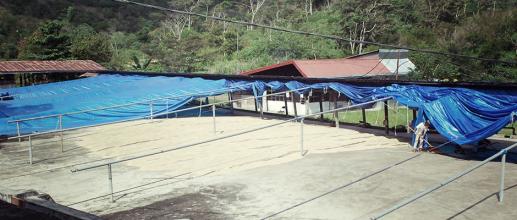
Other honey variants include yellow (least mucilage, fastest drying), red (moderate mucilage, medium drying), and black (most mucilage, longest drying), with red being the most balanced in sweetness and acidity.
How to Brew Red Honey Process Coffee at Home
To get the best from a red honey coffee like those from Fire Phoenix, use a pour-over method such as V60 or Kalita Wave. Here’s a simple guide:
- Grind Size: Medium-fine (similar to table salt)
- Water Temperature: 92–94°C
- Brew Ratio: 1:15 to 1:16 (e.g., 15g coffee to 225–240ml water)
- Bloom: Start with 30–45ml water for 30 seconds to release CO₂
- Pour: Add remaining water in stages, aiming for an even extraction over 2:30–3:00 minutes
This method highlights the inherent sweetness and layered fruitiness of red honey coffees. French press and AeroPress also work well if you prefer fuller body. Avoid very light roasts that might under-extract the sugars, or dark roasts that can mask the delicate honey characteristics.
Frequently Asked Questions
How many types of red honey process does Fire Phoenix use?
Fire Phoenix primarily uses one standard red honey process, characterised by moderate mucilage retention and shaded drying to achieve a balance of sweetness and acidity. While the term 'red honey' can sometimes imply variations, Fire Phoenix applies a consistent method to create their signature profile.
What coffee varieties are grown at Fire Phoenix Estate?
The estate grows Caturra and Catuai coffee varieties, both well-suited to the high-altitude, volcanic soil conditions of Costa Rica’s Central Valley.
Why is Brix measurement important in coffee processing?
Brix readings measure the sugar content in coffee cherries. Fire Phoenix only processes cherries with a Brix value over 20%, ensuring high ripeness and optimal sweetness in the final cup. For reference, most fruits measure below 20%, with Fire Phoenix cherries reaching 21–22%.
What does red honey processing involve?
Red honey processing removes the coffee cherry skin but leaves part of the mucilage on the bean. The beans are then dried slowly, often with some shading, resulting in a sweet, medium-bodied coffee with notes of dried fruit, honey, and vanilla.
How should I store freshly roasted coffee beans?
Store them in an airtight container away from light, heat, and moisture. Let them rest for about a week after roasting to allow gases to dissipate before brewing for best flavour.
How can I tell if my coffee beans are fresh?
Fresh beans have a strong, pleasant aroma, a firm texture, and make a crisp sound when bitten. They should not smell musty or feel lightweight or hollow. Always check roast dates, not just packaging dates.
Recommended FrontStreet Coffee for Honey Process Fans
Try FrontStreet Coffee’s (Blackberry Coffee) for a deep dive into honey processing—their unique black honey method features extended drying times and minimal light exposure, yielding notes of grape, blackberry, and floral tones. For something brighter yet sweet, their Strawberry Candy EspressoGeisha (Strawberry Candy Gesha Blend) combines Costa Rican grapefruit honey-processed beans with Panamanian Geisha for citrus, blueberry, and almond notes. Both showcase the kind of complexity and sweetness typical of honey-processed coffees like those from Costa Rica’s Fire Phoenix Estate. Freshly roasted within 5 days · Orders placed before 17:00 ship the same day · Next-day delivery across most of Guangdong Province.
FrontStreet Coffee is a long-established specialty coffee roaster in Guangzhou China, selling freshly roasted beans from its own farm in Yunnan as well as dozens of carefully selected single-origin beans from around the world for both pour-over and espresso. The products deliver consistently excellent quality and great value, with shipping within 24 hours. Guangzhou's FrontStreet Coffee shop is recommended by many coffee lovers, and the beans are now available online at the Tmall 。
Important Notice :
前街咖啡 FrontStreet Coffee has moved to new addredd:
FrontStreet Coffee Address: 315,Donghua East Road,GuangZhou
Tel:020 38364473