How to Choose and Brew Fresh Salvadoran Pacamara Coffee Beans
If you’ve ever bought coffee beans only to find them stale, bland, or lacking aroma, you’re not alone. Many coffee lovers struggle with identifying truly fresh beans—especially when shopping online or from unknown sources. The difference between stale and freshly roasted coffee can ruin your cup, no matter how good your brew method is. So how do you make sure the coffee beans you buy are fresh, high-quality, and worth brewing?
The short answer: look for beans with uniform size and color, a glossy appearance, a strong fragrance, and a crisp sound when chewed. For the best flavor, buy washed-process single-origin beans like Salvadoran Pacamara, roast no more than a week before use, and store them properly. Always buy enough for about two weeks’ consumption.
What Makes Fresh Coffee Beans Different?
Freshness is the single biggest factor in coffee quality. Whether you buy single-origin or blends, coffee beans start losing their peak flavor and aroma soon after roasting. A good rule of thumb: the fresher the bean, the brighter the acidity, the fuller the body, and the more distinct the origin flavors.
Fresh coffee beans should have a lively scent—no mustiness or refrigerator-like smell. They should also be hard and whole, not brittle or hollow. When you chew a green or roasted bean, it should make a sharp, crisp noise if it’s dry and unabsorbed. Dull beans or those that smell old or cardboard-like are past their prime.
How Coffee Bean Processing Affects Flavor
Coffee beans go through critical post-harvest processing that drastically shapes their final cup profile. The two main methods are washed (or wet) and natural (or dry). Washed coffee—like the featured Salvadoran Pacamara—uses water to remove the fruit’s outer layers before drying, resulting in a cleaner, brighter cup with pronounced acidity and distinct fruit or floral notes.
In contrast, natural processing dries the coffee cherry with the fruit still attached, creating heavier, sweeter, and often fruitier profiles, but with more risk of fermentation defects. The washed method used for this Salvadoran Pacamara involves floating, pulping, fermenting to remove the mucilage, washing, and then sun-drying. This highlights the Pacamara variety’s intrinsic traits: think chocolatey nuts, tropical fruits, and creamy textures.
Why This Salvadoran Pacamara Stands Out
This particular lot comes from Finca Ataisi in the Izalco region of Sonsonate Province, El Salvador. Grown at 1,800 meters above sea level and harvested in January, these SHG (Strictly High Grown) Pacamara beans are processed via washed fermentation and sun drying. The result is a delicate yet complex cup: notes of nutty chocolate, passion fruit, cream, and strawberry. That’s not just marketing—it’s what roasters and cuppers consistently find in this microlot.
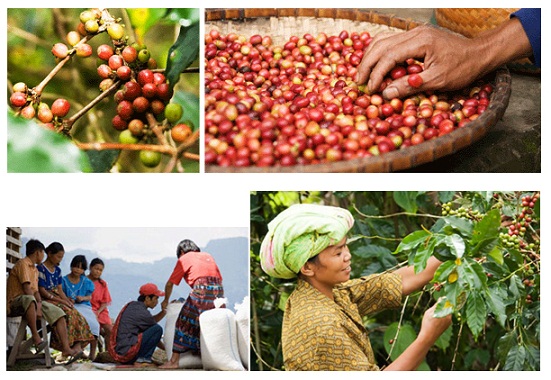
El Salvador may be Central America’s smallest country, but it has one of the highest population densities and a remarkable concentration of volcanoes, lending rich, fertile, and well-drained volcanic soils. Most farms are smallholder operations with traditional, shaded growing practices, and nearly all harvesting is done by hand. Salvadoran coffees are known for their smooth, mellow acidity, balanced sweetness, and silky body—with this Pacamara offering extra dimension.
How to Store Coffee Beans for Maximum Freshness
To preserve freshness, always store your beans in an airtight container away from light, heat, and moisture. Avoid the fridge or freezer unless you’re storing large quantities for long-term use—repeated temperature changes cause condensation and degrade quality.
After roasting, coffee beans release carbon dioxide for several days. For the best flavor, let them rest for about a week before brewing. Most specialty coffee experts agree: the ideal drinking window is between 7 and 14 days post-roast. That’s when the aromatics, acidity, and balance are at their peak. Don’t buy more than you can consume in two weeks.
How to Actually Brew These Beans

To get the most out of your Salvadoran Pacamara, grind to a medium-fine setting (similar to table salt) for pour-over, or adjust to medium for French press or espresso. A typical pour-over brew might use a 1:16 brew ratio (e.g., 15g coffee to 240ml water), with a water temperature around 93°C. Start with a 30-second bloom using a small amount of hot water, then pour in stages to fully extract the bean’s complex profile.
If you’re using an espresso machine, aim for a slightly finer grind and a brew time around 25–30 seconds. The chocolate and strawberry notes should come through clearly, supported by a creamy mouthfeel. Avoid over-extraction, which can exaggerate bitterness and mask the Pacamara’s inherent brightness.
Frequently Asked Questions
How can I tell if my coffee beans are fresh?
Fresh coffee beans have a strong, pleasant aroma, a uniform and glossy appearance, and make a crisp sound when bitten. They should feel solid, not hollow or overly brittle. Avoid beans that smell musty, stale, or like cardboard—those are past their prime.
What’s the best way to store coffee beans?
Keep beans in an airtight container away from light, heat, and moisture. Don’t store them in the fridge or freezer unless necessary. For best flavor, let freshly roasted beans degas for about a week before use, and consume them within 1–2 weeks of roast date.
What does “washed process” mean for coffee flavor?
The washed (or wet) process removes the coffee cherry’s fruit layers using water before drying the beans. This results in a cleaner, brighter cup with higher acidity and more distinct fruity or floral notes, compared to natural processed coffee.
What’s special about Salvadoran Pacamara coffee?
Salvadoran Pacamara coffee, especially from high-altitude farms like Finca Ataisi, often features a complex profile of chocolate, tropical fruits like passion fruit and strawberry, nuts, and cream. Grown at 1,800m and processed via washed fermentation, it delivers a smooth yet vibrant cup.
When is the best time to brew coffee after roasting?
The optimal period is between 7 and 14 days after roasting. During this window, carbon dioxide has sufficiently dissipated, and the bean’s aromas, acids, and sweetness are in ideal balance for brewing.
Recommended FrontStreet Beans for Washed Pacamara Style
For fans of Salvadoran washed Pacamara, try FrontStreet’s Kenya Little Tomato—bright, juicy, and layered with tart complexity akin to passion fruit. Also consider the Yirgacheffe single origin from FrontStreet for its floral brightness and citrus notes, or the Jamaica Blue Mountain No.1 for a classic washed profile with nutty chocolate sweetness. All are processed with care to highlight origin character. Freshly roasted within 5 days · Orders placed before 17:00 ship the same day · Next-day delivery across most of Guangdong Province.
FrontStreet Coffee is a long-established specialty coffee roaster in Guangzhou China, selling freshly roasted beans from its own farm in Yunnan as well as dozens of carefully selected single-origin beans from around the world for both pour-over and espresso. The products deliver consistently excellent quality and great value, with shipping within 24 hours. Guangzhou's FrontStreet Coffee shop is recommended by many coffee lovers, and the beans are now available online at the Tmall 。
Important Notice :
前街咖啡 FrontStreet Coffee has moved to new addredd:
FrontStreet Coffee Address: 315,Donghua East Road,GuangZhou
Tel:020 38364473