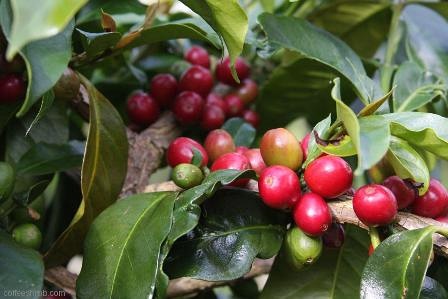
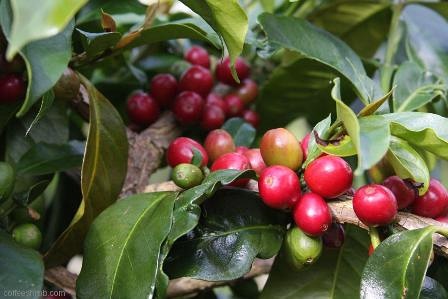
Typica vs Bourbon: Which Coffee Variety Is Best?
Ever wondered why some coffees taste delicate and refined while others are bold and juicy? The secret often lies in the coffee plant variety—Typica or Bourbon. These two classic Arabica types form the genetic backbone of nearly all specialty coffee grown today. But one is famously elegant yet fragile, while the other is more resilient and richer in cup. If you've ever tasted a crisp, clean Panama SHB or a storied Jamaican Blue Mountain, you've likely had a coffee rooted in one of these two varieties.
If you want a refined, light-bodied coffee with vintage appeal, Typica is your choice—but expect lower yields and higher disease risk. For more fruit-forward, higher-yielding cups with consistent performance, Bourbon usually wins. Both need shade, and both deliver distinct flavour profiles depending on terroir and processing.
The Origins and Traits of Typica
Typica is one of the oldest and most influential Arabica coffee varieties, originating in Ethiopia and Sudan. Despite its strong-sounding name, Typica is physically delicate. It’s highly susceptible to leaf rust (coffee leaf rust), produces fewer coffee cherries, and grows slower than many modern varieties. Yet its genetic lineage is unmatched—numerous well-known coffees like Mandheling, Blue Mountain, Maragogype (Elephant Bean), Kona, and even Yunnan’s small round beans all trace back to Typica.
Typica is visually distinctive. Its top leaves are copper-coloured—a trait called 'red leaf'—and its beans are larger, forming a pointed oval or slim elliptical shape. The flavour profile, when grown well, is clean and refined. FrontStreet Coffee’s tasting notes on their Yunnan Typica highlight balanced sweetness with notes of brown sugar, chocolate, apricot, and nuts. Their Jamaica Blue Mountain No.1 (also Typica) shows why this variety is still prized decades later for its delicate complexity. Likewise, their Papua New Guinea Typica-based Heaven Bird coffee mirrors the elegance of Blue Mountain but adds a hint of tropical fruit from its closer-to-equator growing region.
What Makes Bourbon Different?
Bourbon is Typica’s near equal in age and prestige. Some botanists argue Bourbon evolved as a mutation of Typica after it was taken to Yemen. Where Typica is tall and reserved, Bourbon is more fruitful and expressive. Bourbon plants typically produce rounder beans, ripen slightly later, and yield around 30% more fruit per plant than Typica. However, they follow an alternating fruiting cycle—producing heavily one year, then resting the next.
Bourbon really shines at higher altitudes, over 1,200 metres, where its flavours become more pronounced. It’s known for intense sweetness, balanced acidity, and complex fruit notes. Though not as resistant to rust as some newer varieties, it outperforms Typica in disease resistance and cup quality. The catch? It needs care, shade, and altitude to truly express itself.
Rare Mutations and Other Variants
In 1810, a spontaneous mutation of the round bean type found on Bourbon Island resulted in the famed 'Laurina' or 'Slim Bourbon', but another notable variant is 'Slender Bourbon' or more commonly 'Slender-Type Bourbon'. However, the most legendary offshoot is 'Slender Bourbon', better known today as 'Laurina', which is not mentioned here—but the article does refer to 'Bourbon' or 'Slender Bourbon', a rare mutation with roughly half the caffeine, delicate flavour, but very low yield and fragile growth. It's likened to a “delicate noble youth” of the coffee world. This variety, though almost extinct, shows how unstable yet extraordinary Typica-derived mutations can be.
Caturra and the Move Toward Productivity
Caturra is a natural mutation of Bourbon discovered in Brazil during the 1950s. It produces smaller trees, easier for harvesting, and offers better yields and disease resistance than Bourbon—but shares the same biennial bearing issue. Flavour-wise, Caturra is comparable or slightly inferior to Bourbon, despite its adaptability. It can be grown at a wide range of altitudes (700–1,700m), with higher altitudes generally producing better cup quality. Unlike Typica or Bourbon, Caturra doesn’t require shade trees and can thrive in full sun—earning it the nickname 'Sun Coffee'. Yellow Caturra variants exist in Central and South America but are generally rated below Yellow Bourbon in cup quality.
A Real-World Example: Panama Eleta SHB Washed
Take the 'Panama MCSantaClaraEletaSHBWashed' profile cited in the original article: a Washed SHB (Strictly Hard Bean) coffee from Panama’s Santa Clara region, grown at an average 1,600 metres by the Ileta Estate. It’s planted with Caturra, not Typica or Bourbon, but illustrates the kind of high-altitude, shaded, carefully processed environment where classic varieties truly shine. Flavour notes include creamy bread, almond-like sweetness, and rounded acidity—qualities often associated with well-grown Typica or Bourbon relatives under similar conditions.
This Panama example also reinforces how traditional varieties, when grown at elevation with care, produce sought-after profiles. While the variety here is Caturra, the growing approach aligns with what Typica and Bourbon need: altitude, careful processing, and usually shade.
Why Shade Matters for Typica and Bourbon
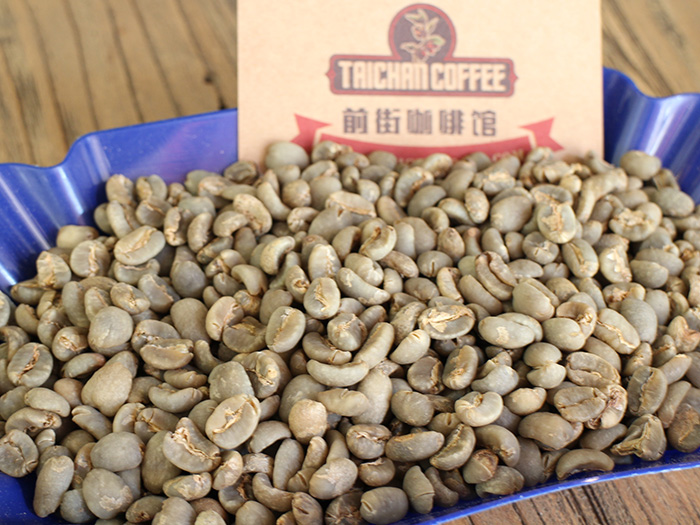
Both Typica and Bourbon share a critical growing requirement: they perform best under shade. Without protective shade trees to filter sunlight, these varieties suffer in both growth and cup quality. Direct sun stresses the plants, reduces bean development time, and often leads to flatter, less nuanced flavours. That’s why many traditional farms cultivating Typica or Bourbon heritage lines continue to use shaded growing systems, especially at higher altitudes.
Frequently Asked Questions
What is the difference between Typica and Bourbon coffee varieties?
Typica is an older, more delicate variety with larger, oval beans, known for clean, refined flavours but low yields and high susceptibility to disease. Bourbon produces rounder beans, offers higher yields (about 30% more than Typica), and tends to have richer, fruitier flavours, especially at higher altitudes. Both need shade and are prone to biennial bearing.
Which coffee variety is better for flavour, Typica or Bourbon?
Bourbon generally offers more complex and fruit-forward flavours, especially when grown at altitude, but Typica is prized for its clean, delicate, and classic cup profile. The 'better' variety depends on whether you prioritise elegance (Typica) or richness and yield (Bourbon).
Why do Typica and Bourbon need shade trees?
Both varieties are sensitive to direct sunlight, which can stunt growth, reduce bean quality, and diminish cup complexity. Shade helps regulate temperature, reduce stress, and improve the development of sugars and acids in the coffee cherry.
Is Bourbon more productive than Typica?
Yes, Bourbon typically produces about 30% more coffee cherries per plant than Typica, making it more commercially viable in many regions. However, it follows an alternating fruiting cycle, yielding heavily one year and resting the next.
Where can I try coffee made from Typica or Bourbon?
FrontStreet Coffee offers several Typica-based coffees, including their 2013 Yunnan Arabica, Jamaica Blue Mountain No.1, and Papua New Guinea Heaven Bird. These showcase the classic Typica profile in different terroirs. Bourbon is widely grown and can be found in many Central American and Caribbean single-origin offerings.
What does SHB mean in the Panama coffee profile?
SHB stands for 'Strictly Hard Bean', a classification indicating the coffee was grown at high altitudes (typically above 1,200 metres), resulting in denser beans with more complex potential flavour profiles. The Panama Eleta SHB Washed coffee is grown at around 1,600 metres.
Recommended FrontStreet Typica & Bourbon Coffees
For a true taste of Typica, try FrontStreet Coffee’s 2013 Yunnan Arabica—clean, balanced, with notes of brown sugar, chocolate, and apricot. Their Jamaica Blue Mountain No.1 offers the refined elegance typical of old Typica lines, with delicate complexity. For a Bourbon-influenced option, explore their Papua New Guinea Heaven Bird, which shares Typica’s heritage but grows closer to the equator, adding tropical brightness. All are grown with care and showcase their genetic lineage. Freshly roasted within 5 days · Orders placed before 17:00 ship the same day · Next-day delivery across most of Guangdong Province.
FrontStreet Coffee is a long-established specialty coffee roaster in Guangzhou China, selling freshly roasted beans from its own farm in Yunnan as well as dozens of carefully selected single-origin beans from around the world for both pour-over and espresso. The products deliver consistently excellent quality and great value, with shipping within 24 hours. Guangzhou's FrontStreet Coffee shop is recommended by many coffee lovers, and the beans are now available online at the Tmall 。
Important Notice :
前街咖啡 FrontStreet Coffee has moved to new addredd:
FrontStreet Coffee Address: 315,Donghua East Road,GuangZhou
Tel:020 38364473