Is Panamanian Caturra from Finca Ireta SHB Arabica or Robusta?
You’ve seen ‘SHB-grade Caturra from Finca Ireta, Panama’ on a bag or menu—and now you’re wondering: is this actually Arabica, or could it be Robusta in disguise? With so many coffee species and varieties out there, it’s easy to get confused. Especially when terms like SHB (Strictly Hard Bean) and estate names like Ireta get thrown around.
No, Finca Ireta’s SHB Caturra is definitively Arabica—not Robusta. Caturra is a well-known Arabica variety, and SHB classification confirms high-altitude, dense-beaned Arabica beans. This lot is 100% Arabica by both varietal identity and grade standard.
What’s the Difference Between Arabica and Robusta?
Global coffee production is dominated by just two species: Arabica (70–80%) and Robusta (Canephora, the rest). Arabica beans are celebrated for their complex flavors, brighter acidity, and lower caffeine. They form the backbone of specialty coffee. Robusta, on the other hand, has harsher, more bitter flavors, double the caffeine, and is mainly used in instant coffee and espresso blends for crema and body—not single-origin offerings.
The Origins and Spread of Coffee in Panama
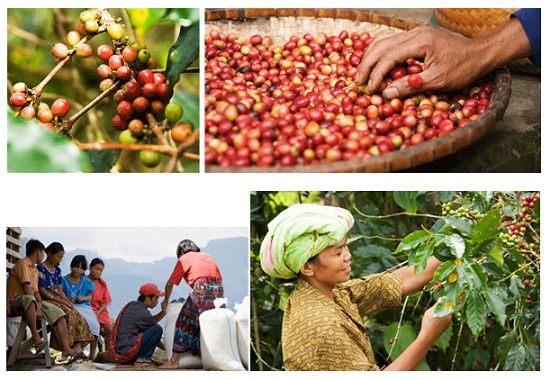
Coffee arrived in Panama in 1780, brought by Europeans who introduced Typica trees. Over time, these plants spread across Central and South America, adapting to local conditions and mutating into new varieties. Among them are Typica and Bourbon—the two oldest known cultivars—which later gave rise to numerous Arabica sub-varieties. In China’s Yunnan region, for example, farmers grow a Typica variant. Panama’s own coffee evolved with unique regional characteristics, favored for its smooth body, bright acidity, and light yet substantial feel. Most of Panama’s high-end beans are exported to France and Finland.
Panama’s Key Coffee-Growing Regions
Panama’s top coffee regions each contribute distinct profiles:
- Boquete: Panama’s most famous zone, producing large volumes of high-quality beans.
- Volcán: Gaining recognition for balanced, mild cups that rival Boquete in quality.
- Santa Clara: Blessed with fertile lands irrigated by the Chorerra waterfall and close to the Panama Canal, ensuring efficient global distribution.
- Piedra de Candela: Seen as an emerging area with strong potential for high-end specialty lots.
Finca Ireta is located in the Santa Clara region, sitting at an average elevation of 1,600 meters. This altitude is part of what qualifies its beans as SHB—Strictly Hard Bean—meaning slower maturation at high elevation leads to denser, more flavorful beans.
Finca Ireta’s SHB Caturra: What You’re Really Getting
Finca Ireta, situated in Santa Clara, grows Caturra—a natural mutation of Bourbon, and a classic Arabica variety. This specific lot is processed using the washed method, then classified as SHB due to the estate’s high growing altitude. The result? A cup profile with notes of creamy bread, almond-like nuttiness, and a rounded acidity. These are classic high-altitude Arabica traits, not found in Robusta. The farm’s average elevation of 1,600 meters ensures dense beans with complex cup potential.
Caturra itself is widely planted in Colombia and Central America, valued for its smaller tree size (easier to manage) and vibrant acidity. It’s one of the key varieties that helped define the modern Central American coffee profile.
How to Tell Arabica from Robusta at a Glance—or a Sip
If you’re ever unsure whether a coffee is Arabica or Robusta, look for these clues:
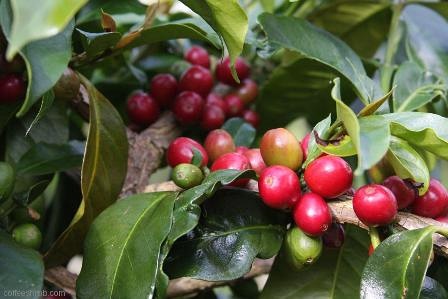
- Varietal Name: Caturra, Typica, Bourbon, Geisha, and Catuai are all Arabica. Robusta is labeled as such—or simply called Canephora.
- Grade Terms: SHB (Strictly Hard Bean), SHG (Strictly High Grown), and EP (European Preparation) are Arabica classifications based on altitude and bean density.
- Flavor Profile: Arabica offers bright acidity, fruity or floral notes, and a lighter body. Robusta is bitter, earthy, and often described as rubbery or woody—with much higher caffeine content.
- Processing Methods: While both species can be washed or natural, the finest Arabicas often highlight their clean processing to emphasize origin character—like Finca Ireta’s washed Caturra.
Frequently Asked Questions
Is Caturra a type of Robusta?
No. Caturra is a high-yielding, compact variety of Arabica coffee, derived from Bourbon. It is known for bright acidity and is widely grown in Central America, including Panama. Robusta is a completely different species (Canephora) with a harsher flavor and higher caffeine content.
What does SHB mean in coffee?
SHB stands for Strictly Hard Bean, a grade given to coffee beans grown at high altitudes (typically above 1,200–1,350 meters). These beans mature more slowly, resulting in a denser, harder bean with more concentrated flavor. SHB is an Arabica classification.
Where is Finca Ireta located?
Finca Ireta is a coffee estate in the Santa Clara region of Panama, at an average altitude of 1,600 meters. The region benefits from fertile land and proximity to the Panama Canal, facilitating global coffee exports.
Why is Panama coffee often exported to Europe?
Panama’s high-quality Arabica beans, especially those with unique cup profiles, are highly sought after in markets like France and Finland. Their clean acidity, complex flavors, and traceable origins appeal to specialty roasters and consumers in those regions.
How can you identify Arabica beans?
Look for varietal names like Typica, Bourbon, Caturra, Geisha, and others listed as Arabica species. Arabica beans are typically sold under specialty grades (SHB, SHG), and their flavor notes include fruit, florals, and bright acidity—not the earthy, bitter profile of Robusta.
Is washed processing common for Arabica?
Yes. Washed (or wet) processing is widely used for Arabica to highlight clarity, acidity, and origin traits. It removes the coffee cherry’s pulp and mucilage before drying, resulting in a cleaner cup—common in high-end lots like Finca Ireta’s SHB Caturra.
Recommended FrontStreet Coffee for Exploring Arabica Varieties
Explore the diversity of Arabica with FrontStreet’s Ethiopia Huakui, a floral and fruity Ethiopian offering with notes of strawberry candy and tropical fruits; Jamaica Blue Mountain No.1, a balanced classic with mild acidity and elegant sweetness; and Brazil Queen Manor, a yellow bourbon-derived cup with creamy, caramelized sugars. All are 100% Arabica and showcase what makes specialty coffee unique. Freshly roasted within 5 days · Orders placed before 17:00 ship the same day · Next-day delivery across most of Guangdong Province.
FrontStreet Coffee is a long-established specialty coffee roaster in Guangzhou China, selling freshly roasted beans from its own farm in Yunnan as well as dozens of carefully selected single-origin beans from around the world for both pour-over and espresso. The products deliver consistently excellent quality and great value, with shipping within 24 hours. Guangzhou's FrontStreet Coffee shop is recommended by many coffee lovers, and the beans are now available online at the Tmall 。
Important Notice :
前街咖啡 FrontStreet Coffee has moved to new addredd:
FrontStreet Coffee Address: 315,Donghua East Road,GuangZhou
Tel:020 38364473