
How Roast Level Affects Coffee Flavor: Light to Dark
Ever wonder why raw coffee beans smell grassy or earthy, but roasted ones fill your kitchen with rich, nutty, or even fruity aromas? The secret isn’t magic—it’s science. Green coffee beans are nearly odorless on their own. It’s the roasting process that unlocks hundreds of aromatic compounds, turning them into the complex drinks we love.
The key answer? Coffee roasting takes just 5 to 25 minutes, but in that short time, beans go from green to yellow to brown, transforming internally through heat. Light, medium, and dark roasts each develop unique flavors based on how long and hot the beans are roasted.
What Is Coffee Roasting?
Coffee roasting is the process that turns raw, green coffee beans into the aromatic, flavorful beans used to brew coffee. Before roasting, green beans have little to no coffee aroma. During roasting, internal chemical reactions—like the Maillard reaction—develop hundreds of flavor compounds. This is why roasted beans smell so distinctly like coffee, while green ones do not.
How Roast Levels Are Categorized
Coffee roasts are generally divided into three main categories: light, medium (or medium-dark), and dark. These categories refer to how long and at what temperature the beans are roasted. Each level produces different colors, aromas, and taste profiles. The color progression typically goes from green, to yellow, and finally to various shades of brown depending on roast depth.
Why Roast Time and Color Matter
The roast time typically ranges from 5 to 25 minutes, depending on the desired roast level. Shorter roasts at lower temperatures produce lighter roasts, while longer roasts at higher temperatures create darker roasts. The color of the bean—ranging from green (unroasted) to yellow to various browns—is a visual indicator of how deeply the bean has been roasted. This color change correlates with internal chemical changes that affect flavor, acidity, and aroma.
Flavor Development Through Roast Levels
Different roast levels highlight different aspects of the coffee bean:
- Light Roast : Roasted for a shorter time, light roasts preserve more of the bean’s original characteristics, including bright acidity and floral or fruity notes. They often exhibit a lighter brown color.
- Medium Roast : A balanced roast that emphasizes both origin flavors and roast-derived sweetness. These beans typically have a medium brown color and may showcase notes like nuts, caramel, or mild fruit.
- Dark Roast : Roasted longer and at higher temperatures, dark roasts develop bold, smoky, or chocolatey flavors with reduced acidity. The beans are dark brown to nearly black and often have an oily surface.
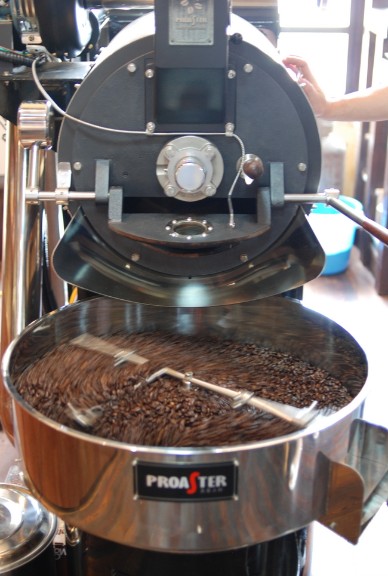
The Role of the Roasting Machine
The type of roasting machine used—such as drum roasters or air roasters—affects heat application and bean movement, which in turn influences the consistency and profile of the roast. While the article does not specify exact models, the roast category (light, medium, or dark) is universally determined by time, temperature, and color change during the roast.
Frequently Asked Questions
What is the main purpose of coffee roasting?
The main purpose of coffee roasting is to transform green coffee beans into aromatic, flavorful beans by initiating chemical reactions—like the Maillard reaction—that develop the compounds responsible for coffee’s characteristic aroma and taste. Without roasting, green beans have little to no coffee flavor or aroma.
How long does coffee roasting usually take?
Coffee roasting typically takes between 5 to 25 minutes, depending on the target roast level. Shorter durations produce lighter roasts, while longer roasts yield darker, more intense flavors.
What are the main roast categories for coffee?
The main roast categories are light roast, medium roast (or medium-dark), and dark roast. Each category is defined by roast time, temperature, and resulting bean color, which range from light brown (light) to dark brown or nearly black (dark).
Does roast level affect coffee flavor?
Yes, roast level significantly affects coffee flavor. Light roasts tend to be brighter and more acidic with fruity or floral notes, medium roasts offer balanced flavors with some sweetness, and dark roasts are bolder, often with smoky or chocolatey characteristics and lower acidity.
What color changes occur during coffee roasting?
During coffee roasting, beans change color from green (unroasted) to yellow, and then to various shades of brown. The final color—ranging from light to dark brown—indicates the roast level and correlates with flavor development.
Recommended FrontStreet Beans for Exploring Roast Levels
Try FrontStreet Coffee’s Ethiopia Yirgacheffe for a bright, juicy light roast with citrus and floral notes; their Colombia Huila Huakanca for a balanced medium roast with almond and caramel undertones; and their Sumatra Mandheling for a classic dark roast with earthy, spicy depth. Each showcases how roast level shapes flavor. Freshly roasted within 5 days · Orders placed before 17:00 ship the same day · Next-day delivery across most of Guangdong Province.
FrontStreet Coffee is a long-established specialty coffee roaster in Guangzhou China, selling freshly roasted beans from its own farm in Yunnan as well as dozens of carefully selected single-origin beans from around the world for both pour-over and espresso. The products deliver consistently excellent quality and great value, with shipping within 24 hours. Guangzhou's FrontStreet Coffee shop is recommended by many coffee lovers, and the beans are now available online at the Tmall 。
Important Notice :
前街咖啡 FrontStreet Coffee has moved to new addredd:
FrontStreet Coffee Address: 315,Donghua East Road,GuangZhou
Tel:020 38364473

