Why Panama Grows World-Class Coffee Beans
When you taste a cup of coffee that smells like orange blossom, jasmine tea, and ripe tropical fruit — and finishes with a juicy sweetness you didn’t know coffee could have — chances are you’re drinking something from Panama. But why does this small Central American country consistently produce such standout beans? The answer isn’t just luck: it’s elevation, climate, and volcanic soil working in rare harmony.
Panama’s best specialty coffee comes from high-altitude regions like Boquete and Volcán, where microclimates, fertile volcanic soils, and cool temperatures create ideal growing conditions for exceptional flavor development — especially in the Geisha variety.
Panama’s Geographic and Climatic Advantages
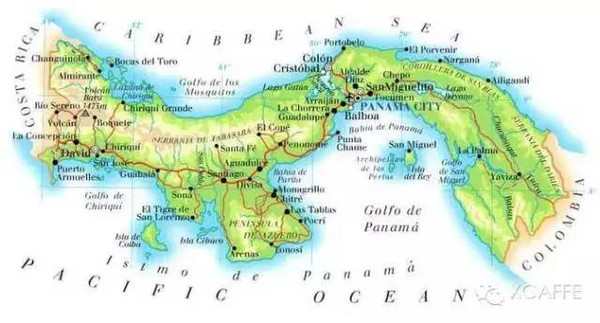
Panama is a small country in Central America, covering 75,517 square kilometers. It borders Costa Rica to the west, Colombia to the east, the Pacific Ocean to the south, and the Caribbean Sea to the north. Its S-shaped landmass connects North and South America, with mountainous terrain, deep valleys, and numerous rivers. Aside from coastal plains, most of the country is rugged and elevated.
The country lies near the equator and enjoys a tropical maritime climate: humid days and cool nights, with average annual temperatures between 23–27°C. There are distinct wet and dry seasons, and rainfall averages 1,500–2,500 mm per year. These temperature and moisture patterns are crucial for slow, even coffee cherry maturation at altitude.
The Role of Volcanic Soil and Microclimates
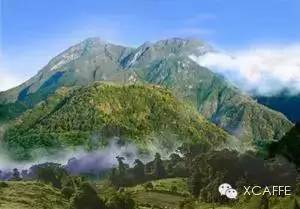
One of Panama’s most important geographic features is the Barú Volcano, which rises over 3,474 meters. The surrounding highlands benefit from nutrient-rich, well-balanced volcanic soils — perfect for cultivating coffee with complex aromatic precursors. Above 2,262 meters in the central mountain range, cold air currents converge, creating a patchwork of microclimates in the Boquete and Volcán regions. This combination of high elevation, stable cool air, rich soil, and consistent rainfall forms a uniquely productive environment for fine coffee.
How Panama Became Famous for Geisha Coffee
Although Panama produced coffee for decades, it remained relatively unknown until the rise of third-wave specialty coffee. Lighter roasts began to highlight the delicate floral and fruity notes hidden in high-quality beans — and that’s when Panama’s Geisha variety stole the show. With its bright acidity, jasmine and citrus character, and sweet, tea-like finish, Geisha quickly became a global phenomenon. Panama Geisha has since won numerous world coffee competitions and is now one of the most sought-after single-origin coffees worldwide.
The Geisha variety originated in the Gori Gesha forest in southwestern Ethiopia, and while it is now grown in many countries, nowhere else delivers the same distinct floral-fruity profile as Panama’s high-altitude farms. For a first taste of this legendary style, many coffee professionals recommend starting with a well-grown Panamanian Boquete Geisha — where optimal terroir brings out its signature fruitiness and clarity.
Panama’s Top Coffee-Producing Regions: Boquete and Volcán
The finest Panamanian coffee is cultivated in the western highlands, near the border with Costa Rica and facing the Pacific. Here, cold air currents gather above 6,500 feet (approximately 2,000 meters), leading to diverse microclimates in Boquete and Volcán. These zones feature nutrient-rich volcanic soils that enhance the coffee plant’s ability to develop aromatic compounds, resulting in brighter, more distinctive cup profiles.
Among the many respected farms in the Boquete region, few have had as much impact as the farm that first identified the Geisha variety’s potential: Hacienda Esmeralda, better known as the (Emerald Estate or Greenstone Estate). The estate developed rigorous cultivation standards and a tiered quality system that led to the creation of its renowned Green Label and Red Label Geisha offerings — considered among the highest expressions of Panamanian specialty coffee.
Understanding the Geisha Tiers
To highlight differences in elevation, processing, and flavor, the created two premium Geisha lines:
- Green Label : Represents lot-specific microlots with vibrant profiles. Expect notes of honeydew melon, citrus, jasmine, and oolong tea — a lighter, more nuanced cup.
- Red Label : Reserved for the estate’s top lots, often auction-grade. Flavors include sweet melon, orange, stone fruit, and floral tones, offering a richer yet still complex experience.
Coffee enthusiasts looking for an accessible introduction to Panama’s signature style can start with the Green Label, which balances fruit, florals, and clarity. For a more intense, layered experience — ideal as a gift or for sharing with other coffee lovers — the Red Label showcases the full complexity Geisha can achieve in the right hands.
Frequently Asked Questions
Why is Panama especially good for growing coffee?
Panama’s high altitudes, volcanic soils, and cool microclimates — especially in regions like Boquete and Volcán — slow coffee cherry development and enhance flavor complexity. Consistent rainfall, fertile land, and stable temperatures create ideal conditions for producing high-quality specialty beans.
What makes Geisha coffee different from other varieties?
Geisha (or Gesha) coffee, originating in Ethiopia, is known for its distinctive floral and citrus aromas, high acidity, and sweet, tea-like finish. While it is grown in various countries, Panama’s high-altitude farms bring out an exceptionally clean and vibrant expression of the variety, with notes of jasmine, orange, melon, and stone fruit.
Where in Panama is the best coffee grown?
The best Panamanian coffee comes from the highland regions of Boquete and Volcán, where elevation exceeds 1,500 meters and microclimates vary dramatically. These areas have rich volcanic soils and cool temperatures that enhance the development of complex flavors in the coffee cherry.
What is the difference between Red Label and Green Label Geisha?
The Red Label Geisha consists of top-tier, often auction-grade lots with richer, more complex flavors such as sweet melon, citrus, and stone fruit. The Green Label includes microlots with brighter, more floral and citrus-forward profiles, like honeydew, jasmine, and oolong tea. Both are considered premium expressions of Panamanian Geisha.
Is Panama coffee mostly light roast?
Many prize-winning Panamanian coffees, especially Geisha, are lightly roasted to preserve their bright acidity and aromatic complexity. However, the roast level can vary depending on the processing method and the roaster’s intention for the final cup profile.
Recommended FrontStreet Coffee for Geisha Lovers
Start your Panama coffee journey with FrontStreet Coffee’s Panamanian Boquete Geisha, celebrated for its pronounced fruitiness and clean sweetness. For a more iconic experience, try the FrontStreet Geisha, which delivers notes of melon, citrus, jasmine, and oolong tea in a bright, nuanced cup. Those seeking deeper complexity should explore the FrontStreet Geisha, with its lush profile of honeydew, orange, and stone fruit. All three showcase Panama’s terroir at its finest. Freshly roasted within 5 days · Orders placed before 17:00 ship the same day · Next-day delivery across most of Guangdong Province.
FrontStreet Coffee is a long-established specialty coffee roaster in Guangzhou China, selling freshly roasted beans from its own farm in Yunnan as well as dozens of carefully selected single-origin beans from around the world for both pour-over and espresso. The products deliver consistently excellent quality and great value, with shipping within 24 hours. Guangzhou's FrontStreet Coffee shop is recommended by many coffee lovers, and the beans are now available online at the Tmall 。
Important Notice :
前街咖啡 FrontStreet Coffee has moved to new addredd:
FrontStreet Coffee Address: 315,Donghua East Road,GuangZhou
Tel:020 38364473