Why Panama Produces World-Class Specialty Coffee
You’ve heard Panama produces ‘king-tier’ coffee, but why exactly? Most coffee lovers stumble into the country’s fame through a single competition win or a buzzword like ‘Geisha.’ But there’s more to it: Panama’s coffee reputation is rooted in elevation, climate, soil, and decades of precision farming. If you've ever wondered what makes Panamanian beans so distinct — especially those awarded at global cuppings — this is where the story really begins.
Panama’s elite coffee comes from high-altitude farms in the volcanic highlands of Boquete and Volcán, where cool nights, rich soils, and elevations above 1,400 metres create the ideal conditions for high-scoring, complex coffees. These factors make Panama one of the few places where rare varieties like Geisha can express their full sensory potential.
Panama’s Geographic Edge for Coffee Growing
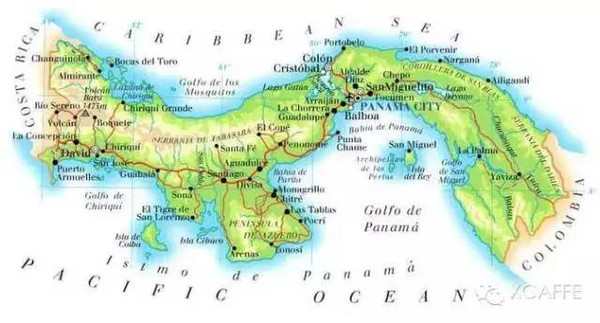
Sitting at the crossroads of North and South America, Panama covers 75,517 square kilometres. Though small, it features dramatic topography: S-shaped land bridges, rugged mountains, deep valleys, and numerous rivers. This terrain isn’t just scenic — it’s functional for coffee.
The country lies near the equator with a tropical maritime climate. Daytime humidity meets cool nights, and average temperatures range between 23–27°C. There are two seasons: dry and rainy, with annual rainfall between 1,500–2,500 mm. That balance of heat, moisture, and altitude sets the stage for slow cherry maturation — a key factor in high-quality coffee.
Volcanic Soil and Microclimates in the Highlands
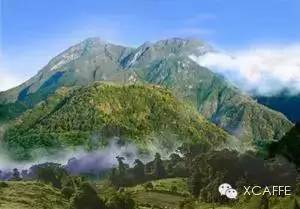
Central to Panama’s coffee quality is the presence of one of Central America’s tallest volcanoes, Barú, which rises over 3,474 metres. The volcanic soils around Barú are nutrient-rich and well-drained — perfect for coffee tree root systems and fruit development. More importantly, the Central Cordillera mountain range creates natural barriers that trap cool air above 2,262 metres. This results in multiple microclimates within the regions of Boquete and Volcán.
These highland pockets have unique combinations of temperature, airflow, and sun exposure. The result? Arabica plants develop more slowly, concentrating sugars and acids for nuanced flavour profiles. It’s not just elevation — it’s the interplay of elevation, terrain, and climate that makes Panama’s coffee stand apart.
The Rise of Panama Geisha and Specialty Recognition
Panama wasn’t always famous for coffee. Production was small, and the country played a minor role on the global stage. That changed with the rise of third-wave coffee and the popularity of light roasts, which highlight delicate floral and fruity notes. The breakthrough came with the Geisha variety, originally from the Gori Gesha forest in Ethiopia.
Though Geisha is now grown in many countries, Panama — particularly Boquete — managed to coax out its most iconic expression: intense citrus, jasmine, stone fruit, and even subtle tea-like qualities. The variety’s potential was first fully realised by Hacienda La Esmeralda, whose experimental plots and auction lots stunned the industry. Since then, Panama Geisha has become synonymous with specialty excellence, winning countless cupping competitions and reshaping global coffee tastes.
Boquete and Volcán: Panama’s Coffee Heartlands
The majority of Panama’s best coffee grows in the western highlands, near the border with Costa Rica and facing the Pacific. Two key districts dominate: Boquete and Volcán. Here, cold air currents converge above 2,000 metres (approximately 6,500 feet), forming diverse microclimates. The volcanic soil around the Barú region is especially fertile, feeding coffee trees with essential minerals that enhance cup complexity.
Farms in these areas follow meticulous cultivation and processing practices. Many producers focus on Geisha, but other top varieties like Catuai, Typica, and Bourbon also thrive. Elevation, terroir, and post-harvest handling all play roles in defining each farm’s signature profile. Whether you taste bright mandarin and honey or deep stone fruit with floral tones, these coffees reflect their exact origin.
Frequently Asked Questions
Why is Panama coffee considered so special compared to other countries?
Panama coffee is special due to its high-altitude volcanic regions like Boquete and Volcán, where cool temperatures, rich soils, and microclimates slow coffee cherry development. This leads to greater sweetness, acidity, and complex flavours, especially in rare varieties like Geisha that express floral, citrus, and stone fruit notes rarely matched elsewhere.
What makes the Boquete and Volcán regions ideal for coffee farming?
Boquete and Volcán benefit from elevations above 1,400 metres, cool mountain air, volcanic soils rich in nutrients, and microclimates formed by air trapped by the Central Cordillera mountains. These factors combine to produce slow-ripening coffee cherries with concentrated flavours and high cup quality.
What is Geisha coffee and why is it associated with Panama?
Geisha (or Gesha) is a coffee variety originating from Ethiopia’s Gori Gesha forest. It gained global fame through Panama, particularly Hacienda La Esmeralda in Boquete, where it was cultivated at high altitudes and expressed exceptional floral, citrus, and jasmine flavours. Panama is now the most renowned origin for high-scoring Geisha coffees.
Does Panama have any unique coffee-growing conditions not found elsewhere?
Yes. Panama’s mountainous geography, particularly the microclimates above 2,000 metres in Boquete and Volcán, create stable yet varied growing conditions. The convergence of cool air, volcanic soils, and high elevation is rare and allows for the development of unique flavour profiles, especially in specialty-grade Arabica.
Which farms or estates are most famous for producing top Panama coffee?
Hacienda La Esmeralda is the most famous Panamanian estate, known for pioneering Geisha production and achieving record auction prices. Other notable farms include those in the Boquete and Volcán regions that focus on high-altitude cultivation and meticulous processing, often producing award-winning lots.
How does Panama’s climate affect its coffee flavour?
Panama’s consistent warm days and cool nights, along with high humidity and balanced rainfall, promote slow ripening. This slow maturation allows coffee cherries to develop more sugars and complex acids, resulting in brighter acidity, deeper sweetness, and layered flavour notes in the cup.
Recommended FrontStreet Beans for Panama Lovers
Start your Panama coffee journey with FrontStreet’s Panamanian Boquete Geisha, celebrated for vibrant fruitiness and smooth sweetness. For a classic introduction to the famed Geisha profile, try the FrontStreet Emerald Green Label Geisha, showcasing melon, citrus, jasmine, and subtle oolong notes — ideal for everyday speciality enjoyment. If you're after a more intense experience, the Emerald Red Label Geisha delivers bold layers of honeydew, orange, orchid, and aged pu’erh-like depth, perfect for sharing or gifting. Freshly roasted within 5 days · Orders placed before 17:00 ship the same day · Next-day delivery across most of Guangdong Province.
FrontStreet Coffee is a long-established specialty coffee roaster in Guangzhou China, selling freshly roasted beans from its own farm in Yunnan as well as dozens of carefully selected single-origin beans from around the world for both pour-over and espresso. The products deliver consistently excellent quality and great value, with shipping within 24 hours. Guangzhou's FrontStreet Coffee shop is recommended by many coffee lovers, and the beans are now available online at the Tmall 。
Important Notice :
前街咖啡 FrontStreet Coffee has moved to new addredd:
FrontStreet Coffee Address: 315,Donghua East Road,GuangZhou
Tel:020 38364473