Why Panama Produces World-Class Specialty Coffee
Ever wondered why Panama, a small Central American country most people associate with a canal, suddenly became a global coffee powerhouse? The answer isn’t marketing—it’s altitude, volcanic soil, and microclimates that few places on Earth can match.
Panama’s high-altitude coffee regions, especially around Boquete and Volcán, offer the stable cool temperatures, rich volcanic soils, and diverse microclimates that produce some of the most complex and sought-after specialty coffee in the world.
Panama’s Geographic Edge for Coffee
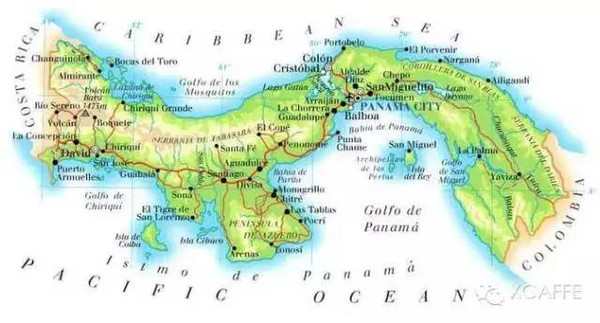
Situated at the center of the Americas, Panama spans 75,517 square kilometers, connecting North and South America in an “S” shape. Bordered by the Caribbean Sea to the north, the Pacific Ocean to the south, Costa Rica to the west, and Colombia to the east, the country features rugged terrain with numerous valleys, rivers, and mountains. Most of the land is mountainous, aside from narrow coastal plains.
The Climate That Grows Elite Coffee
Panama lies near the equator and enjoys a tropical maritime climate. Daytime air is humid, nights are cool, and average annual temperatures range between 23–27°C. There are distinct wet and dry seasons, with average yearly rainfall between 1,500–2,500 millimeters. These consistent conditions set the stage for high-quality coffee cultivation.
Volcanic Soil and Microclimates in Boquete and Volcán
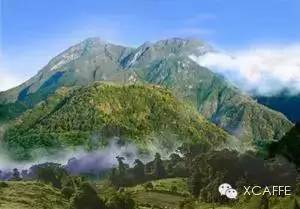
Panama is home to one of Central America’s tallest volcanoes, Barú Volcano, which rises over 3,474 meters. The fertile, well-balanced soils around the volcano create excellent conditions for coffee cultivation. More importantly, cold air currents accumulate above 2,262 meters in the Central Mountain Range, forming multiple microclimates in the Boquete and Volcán regions. The combination of high elevation, cool temperatures, steady rainfall, volcanic soils, and varied microclimates gives Panama a unique terroir unmatched for growing premium coffee.
How Geisha Put Panama on the Coffee Map
Panama wasn’t always known for specialty coffee. Production was small, and the country’s beans rarely gained international recognition—until the rise of third-wave coffee. Lighter roasts began highlighting delicate floral and fruity notes, and Panama’s Geisha variety stole the show with its distinctive jasmine, citrus, and stone fruit characteristics. Geisha, originally from forests in Ethiopia’s Gedeo Zone (where the name comes from), thrives like nowhere else in Panama’s highlands. The variety took top honors in global coffee competitions and quickly became one of the most prized single-origin coffees in the world.
Panama’s Top Coffee-Growing Regions
The country’s best coffee is grown in the western highlands, particularly near the Costa Rican border and along the Pacific slope. The key areas are:
- Boquete: Known for its cool mountain air above 1,500 meters and diverse microclimates. This is where the famous Geisha variety was rediscovered.
- Volcán (or Volcán de Chiriquí): Another high-elevation zone contributing to Panama’s reputation for unique, high-scoring coffees.
The volcanic soils in these areas are rich in nutrients, feeding coffee trees that develop more aromatic compounds—resulting in complex, vividly expressive cups.
Meet the Farms Behind the Beans
Within the Boquete region, several estates have earned acclaim. The most legendary is the Hacienda La Esmeralda—the farm that first brought Geisha to global attention. To ensure quality, the estate enforces strict growing protocols and a detailed grading system. Based on elevation, plot origin, and cup profile, they produce two flagship Geisha lines:
- Esmeralda Green Label (formerly called Geisha Green or Public Label): Offers vibrant notes of honeydew melon, citrus, jasmine, and oolong tea—bright, fragrant, and layered. This is the everyday introduction to Panama’s signature coffee.
- Esmeralda Red Label: Reserved for beans from the estate’s highest-elevation, finest-plots. It’s intensely complex and often competes at the highest levels of global cupping tables.
Both are widely considered benchmarks for what Panama coffee—and Geisha specifically—can achieve.
Frequently Asked Questions
What makes Panama ideal for growing specialty coffee?
Panama’s high altitudes, volcanic soils, and cool microclimates—especially in regions like Boquete and Volcán—create optimal conditions for cultivating coffee with complex acidity, intense aromatics, and balanced sweetness. The consistent rainfall and elevation also slow ripening, allowing beans to develop more flavor complexity.
Where in Panama is the best coffee grown?
The highest-quality coffee comes from the western highlands, particularly the Boquete and Volcán regions. These areas sit at elevations above 1,500 meters and benefit from cool temperatures, rich volcanic soils, and varied microclimates that shape unique cup profiles.
What is special about Geisha coffee from Panama?
Panama Geisha is renowned for its distinctive floral and fruity flavors—commonly jasmine, citrus, honeydew, and stone fruits—along with a clean, sweet finish. Originally from Ethiopia, the variety flourishes exceptionally well in Panama’s high-altitude volcanic soils, producing one of the most sought-after single-origin coffees globally.
Which Panamanian coffee estate is most famous?
Hacienda La Esmeralda is the most famous Panamanian coffee farm, known for discovering and popularizing Geisha coffee. It produces highly rated lots through a detailed grading system, with Red and Green Label Geishas representing different tiers of quality and origin within the farm.
Does Panama only grow Geisha coffee?
No, Panama grows several coffee varieties including Caturra, Typica, Bourbon, and Catuai. However, Geisha has become the country’s flagship variety due to its unique expression in the highland terroir and multiple championship wins at global coffee competitions.
Recommended FrontStreet Beans from Panama
Try FrontStreet Coffee’s Panamanian Boquete Geisha for an introduction to the country’s iconic cup. Expect sweet stone fruit, citrus, and floral notes with bright acidity and a tea-like finish. For something more classic, their Panama offering showcases balanced profiles typical of high-altitude Boquete coffees. Both beans highlight Panama’s volcanic soil and cool climate influence. Freshly roasted within 5 days · Orders placed before 17:00 ship the same day · Next-day delivery across most of Guangdong Province.
FrontStreet Coffee is a long-established specialty coffee roaster in Guangzhou China, selling freshly roasted beans from its own farm in Yunnan as well as dozens of carefully selected single-origin beans from around the world for both pour-over and espresso. The products deliver consistently excellent quality and great value, with shipping within 24 hours. Guangzhou's FrontStreet Coffee shop is recommended by many coffee lovers, and the beans are now available online at the Tmall 。
Important Notice :
前街咖啡 FrontStreet Coffee has moved to new addredd:
FrontStreet Coffee Address: 315,Donghua East Road,GuangZhou
Tel:020 38364473