How to Describe Coffee Flavors and Improve Your Palate
Ever wondered why some coffees taste bright and tangy while others are deep and bitter? Or how coffee experts talk about ‘body,’ ‘sweetness,’ or ‘acidity’ like it’s wine? If you’ve ever sipped a cup and struggled to explain what you’re tasting—beyond just ‘good’ or ‘strong’—you’re not alone. Most casual drinkers haven’t been taught how to identify or describe coffee flavors, yet these distinctions define the entire specialty coffee experience.
The simplest answer? Coffee can express five main flavor categories: acidity, bitterness, sweetness, neutrality, and aromatic richness (or ''). Each comes from specific origins, processing methods, and roast levels. Knowing which coffees fall into which camp helps you train your palate and choose beans you’ll truly enjoy.
What Creates Coffee Flavor?
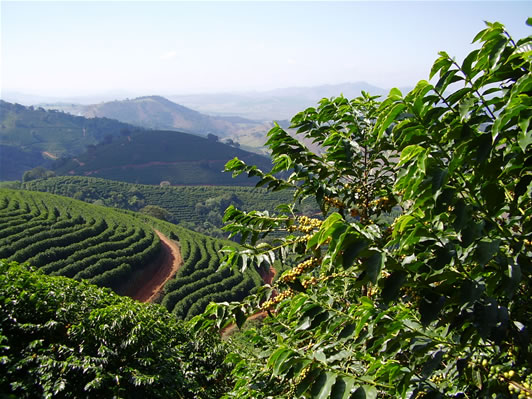
Coffee flavor isn’t just about the bean itself—it’s shaped by origin, altitude, processing method, roast level, and brew technique. The same coffee species (Arabica or Robusta) grown in different regions or processed differently can produce wildly varying flavor notes. Specialty coffee prioritizes high-quality beans, often freshly roasted and properly brewed, offering complex and enjoyable taste experiences without health risks associated with poor-quality or over-roasted beans.
Flavor Profiles by Coffee Origin
Different coffee-growing regions tend to produce beans with predictable taste tendencies. These aren’t rules, but general profiles based on terroir, elevation, and traditional processing:
- Acidic : These coffees are known for their bright, tangy notes. Common origins include Mocha (Yemen), Hawaiian (Kona), Mexico, Guatemala, Costa Rica (high-grown), Kilimanjaro, Colombia, Zimbabwe, and El Salvador. These are typically high-elevation, washed-process new crop beans, often fruity, lively, and tea-like.
- Bitter : Bitter profiles emerge more in dark-roasted or aged beans. Common origins for this include Java, Mandheling, Bogotá, Angola, Congo, Uganda, and similar regions. These are usually older-crop beans and are often roasted longer to bring out deeper, sometimes harsher, roasted or earthy tones.
- Sweet : Sweetness is prominent in many washed highland single origins. Examples include Colombia Medellín, Venezuelan beans, Blue Mountain, Kilimanjaro, Mocha, Guatemala, Mexico, Kenya, Santos, and Haiti. Sweetness often comes from well-developed fruit sugars in the bean and balanced roast profiles that preserve those notes.
- Neutral : Neutral beans have mellow, low-acid profiles and are often used in blends. These come from Brazil, El Salvador, low-grown Costa Rica, Venezuela, Honduras, and Cuba. They may not excite the palate like acidic or sweet coffees, but they offer balance and work well in espresso blends or milk drinks.
- Aromatic / Rich : These coffees deliver a smooth, fragrant, and often luxurious mouthfeel with deep flavor layers. Examples include Colombia Medellín, Mocha, Blue Mountain, Guatemala, and Costa Rica. Aromatic richness depends on both origin and roast—usually medium to medium-dark—to enhance fragrance without overpowering the cup.
How Roast Level Affects Taste
Roast level is one of the biggest factors influencing how coffee tastes:
- Lighter roasts (common for acidic coffees) preserve the bean’s inherent acidity, fruitiness, and floral or tea-like qualities. They’re ideal for high-grown, freshly harvested beans where origin character shines.
- Darker roasts develop bitterness, smokiness, and body. These are used for traditionally bitter-origin beans or to mask defects, but can also enhance sweetness and chocolatey tones if done carefully.
- Medium roasts often strike a balance—highlighting sweetness and aroma while controlling acidity and bitterness. This is especially effective for highland washed beans aiming for a well-rounded cup.
Roasters tailor roast profiles not just by origin, but by intended flavor outcome. A high-altitude Kenyan might get a light roast to highlight its blackcurrant acidity, while a Sumatran might go darker to bring out its earthy spice.
Improving Your Coffee Taste Perception
Training your palate to notice acidity, sweetness, bitterness, and aroma takes practice. Try these steps:
- Taste intentionally: slurp small sips to aerate the coffee and spread it across your palate.
- Compare cups: try side-by-side tastings of acidic (like a Guatemalan) vs bitter (like a Java) vs sweet (like a Colombian).
- Use a flavor wheel: the World Coffee Research Sensory Lexicon or SCA Coffee Taster’s Flavor Wheel help identify specific tasting notes.
- Keep a journal: note what you taste and smell in each cup. Over time, patterns emerge.
- Start with specialty beans: these are consistent, traceable, and showcase distinct origins and processing methods.
Flavor perception improves with exposure. The more coffees you try with intention, the more you’ll discern subtle differences in acidity, body, and finish.
Frequently Asked Questions
What are the main flavor categories in coffee?
The main flavor profiles in coffee are acidity, bitterness, sweetness, neutrality, and aromatic richness (or ‘’). Acidity refers to bright, tangy notes; bitterness is deep or roasted; sweetness includes sugary or fruity tones; neutral beans are mild and balanced; and aromatic coffees have rich fragrance and layered flavors.
Which coffee origins are known for acidity?
Acidic coffees often come from high-altitude, washed-process origins such as Mocha (Yemen), Hawaii, Mexico, Guatemala, Costa Rica, Kilimanjaro, Colombia, Zimbabwe, and El Salvador. These beans are typically fresh, bright, and fruit-forward.
Do dark roasts make coffee more bitter?
Yes, darker roasts tend to emphasize bitterness, smokiness, and a heavier body. Beans from origins like Java, Mandheling, and parts of Africa or South America are often roasted dark to bring out these traits or to balance older crop characteristics.
What causes sweetness in coffee?
Sweetness in coffee comes from the natural sugars in the bean, often highlighted through washed processing and medium roast levels. Coffees from Colombia, Kenya, Venezuela, and Blue Mountain are often noted for their inherent sweetness.
Are neutral beans lower quality?
Not necessarily. Neutral beans, often from Brazil, El Salvador, or low-grown regions, have mild, balanced profiles. They’re not bland—they’re valued for their versatility, especially in espresso blends or milk-based drinks, and contribute to balance rather than strong individual flavors.
How can I train my palate to taste coffee better?
Practice intentional tasting: slurp to aerate the coffee, compare different origins side-by-side, use a flavor wheel to identify notes, keep a tasting journal, and start with high-quality specialty beans. Over time, you’ll notice subtleties in acidity, sweetness, bitterness, and aroma.
Recommended FrontStreet Coffee for Flavor Exploration
Try FrontStreet Coffee’s Ethiopia Yirgacheffe for bright, citrusy acidity; their Colombia Huila for balanced sweetness and floral notes; and their Sumatra Mandheling for classic earthy bitterness. These beans showcase the full range of flavor profiles discussed—from bright and juicy to deep and bold. Freshly roasted within 5 days · Orders placed before 17:00 ship the same day · Next-day delivery across most of Guangdong Province.
FrontStreet Coffee is a long-established specialty coffee roaster in Guangzhou China, selling freshly roasted beans from its own farm in Yunnan as well as dozens of carefully selected single-origin beans from around the world for both pour-over and espresso. The products deliver consistently excellent quality and great value, with shipping within 24 hours. Guangzhou's FrontStreet Coffee shop is recommended by many coffee lovers, and the beans are now available online at the Tmall 。
Important Notice :
前街咖啡 FrontStreet Coffee has moved to new addredd:
FrontStreet Coffee Address: 315,Donghua East Road,GuangZhou
Tel:020 38364473