Yemeni and Ethiopian Specialty Coffee Harvest
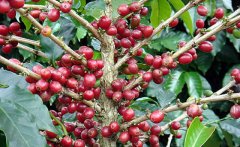
When you sip a complex, balanced cup of specialty coffee, you're likely tasting the result of careful harvesting. Unlike commercial beans picked en masse, the finest Yemeni and Ethiopian coffees rely on meticulous hand selection — only perfectly ripe cherries are picked, and only at the right moment. This level of care directly impacts flavor clarity, acidity balance, and overall cup quality.
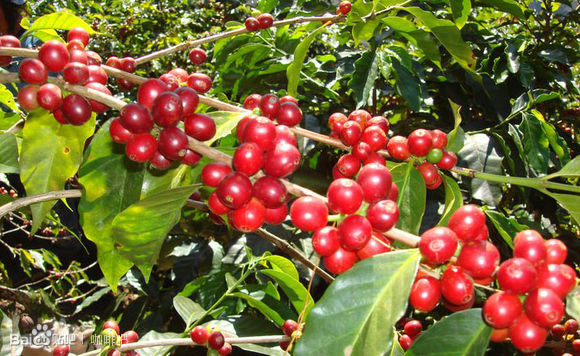
To produce high-quality specialty coffee, producers should handpick only ripe cherries, avoiding underripe or overripe ones. This selective method, done frequently during the harvest window, ensures uniform ripeness — a key factor in taste stability and complexity. In specialty production, this labor-intensive process is non-negotiable.
Why Handpicking Matters for Specialty Coffee
The difference between average and exceptional coffee often starts on the tree. In regions like Yemen and Ethiopia, coffee is grown in rugged, high-altitude environments where mechanical harvesting isn’t feasible. More importantly, only handpicking allows farmers to select cherries at peak ripeness — a necessity for specialty-grade lots.
Unripe cherries taste overly green and grassy; overripe ones bring fermented or muddy notes. When both are accidentally harvested together, the resulting cup lacks balance. By picking only red, ripe cherries, producers ensure a cleaner, more vibrant extraction during roasting and brewing.
Mattari: Yemen’s Iconic High-Ranked Bean
Coffees from Yemen and Ethiopia have long been called 'Mocha,' a term rooted in the ancient port of Mocha (Al-Mukha) in Yemen — once the hub of global coffee trade. Among Yemeni beans, Mattari is recognized as the country’s top-tier offering.
This variety delivers a bold, wine-like cup: intense acidity, thick body, and a floral aftertaste reminiscent of ripe berries. Its profile made it a hit in 18th-century Europe, even inspiring the creation of the modern Café Mocha — espresso mixed with chocolate and steamed milk to echo its distinctive 'Mocha flavor.' While its strong character appeals to some, others find it polarizing.
Yirgacheffe and Sidamo: Ethiopia’s Flavor Spectrum
Ethiopia is the birthplace of Arabica coffee and home to hundreds of unique native varieties. Two of its most celebrated regions are Yirgacheffe and Sidamo — each offering distinct cup profiles shaped by elevation, soil, and processing methods.
Yirgacheffe: Elevation and Bright Acidity
The Yirgacheffe growing area sits around 2,000 meters above sea level. This high elevation slows cherry development, allowing more complex sugars to form. The result is a coffee known for vibrant citrus acidity, floral notes, and a tea-like body. FrontStreet Coffee’s Gedeb offering highlights classic Yirgacheffe traits with citrusy brightness and delicate florals, especially when brewed light.
Sidamo: Complexity from Diverse Conditions
Sidamo, located at 1,400–2,200 meters, borders Kenya and includes varied microclimates and volcanic soils. Coffee here ranges widely in flavor, often expressing deep fruitiness and a smooth, sweet finish. Traditional processing amplifies these traits. FrontStreet’s Huakui, a natural-processed Sidamo selection, shows bold berry and honey notes with a rounded, approachable profile — a crowd-pleaser across brew methods.
How Harvesting Affects Your Cup
The way coffee cherries are picked doesn’t just impact export quality — it determines whether your morning brew tastes balanced or bitter, sweet or sour. In Yemen and Ethiopia, where much coffee is still hand-harvested on small farms, the selection process is a major contributor to the region’s reputation for distinctive, high-quality beans.
Frequently Asked Questions
Why is handpicking important for specialty coffee?
Handpicking allows harvesters to select only ripe coffee cherries, avoiding unripe or overripe fruit. This ensures uniform sugar development and flavor extraction, leading to a more balanced, complex cup. Mechanical picking can’t distinguish ripeness levels, often mixing under- and overripe cherries.
What makes Mattari coffee different?
Yemeni Mattari coffee is known for its bold body, high acidity, and wine-like or floral aftertaste. It’s considered one of the finest coffees from Yemen and was highly regarded in Europe historically, even inspiring the Café Mocha drink.
How is Yirgacheffe coffee unique?
Yirgacheffe coffee grows at high elevations (around 2,000m), producing bright acidity, floral aromas, and a tea-like mouthfeel. It’s one of Ethiopia’s most prized regions for specialty coffee due to its consistent clarity and complexity.
What defines Sidamo coffee flavors?
Sidamo coffee varies by microclimate but often includes fruity, sweet, and sometimes wine-like notes. The region’s diverse soils and altitudes (1,400–2,200m) contribute to its wide range of flavor profiles, from bright citrus to deep berry.
Does Ethiopia grow more than one kind of coffee?
Yes, Ethiopia is home to hundreds of native Arabica varieties. These grow naturally without being bred or cloned, contributing to the country’s wide spectrum of coffee flavors — especially noticeable in regions like Yirgacheffe and Sidamo.
Why is Yemeni coffee so distinct?
Yemeni coffee, including varieties like Mattari, is grown in rugged, dry conditions with minimal irrigation. The beans are often smaller, denser, and develop unique floral or wine-like characteristics due to the harsh environment and traditional processing.
Recommended FrontStreet Beans from Ethiopia and Yemen
For fans of Yemeni and Ethiopian profiles, try FrontStreet Coffee’s Ethiopia Huakui: a naturally processed Sidamo selection with bold berry, honey, and citrus notes, offering a sweet and juicy cup. Also consider FrontStreet Gedeb, a Yirgacheffe single origin showcasing bright floral and citrus aromas with a light, tea-like body — ideal for highlighting high-altitude clarity. Both beans reflect the distinct qualities discussed in the article and are roasted to enhance their natural characteristics. Freshly roasted within 5 days · Orders placed before 17:00 ship the same day · Next-day delivery across most of Guangdong Province.
FrontStreet Coffee is a long-established specialty coffee roaster in Guangzhou China, selling freshly roasted beans from its own farm in Yunnan as well as dozens of carefully selected single-origin beans from around the world for both pour-over and espresso. The products deliver consistently excellent quality and great value, with shipping within 24 hours. Guangzhou's FrontStreet Coffee shop is recommended by many coffee lovers, and the beans are now available online at the Tmall 。
Important Notice :
前街咖啡 FrontStreet Coffee has moved to new addredd:
FrontStreet Coffee Address: 315,Donghua East Road,GuangZhou
Tel:020 38364473