Decoding Common Abbreviations on Green Coffee Beans
If you've ever browsed a green coffee offering and seen terms like 'EP', 'FW', or 'SHB' and weren't sure what they meant—don't worry, you're not alone. These abbreviations appear frequently in specialty coffee sourcing, especially on offering lists from origin, but they aren't always clearly explained. As a roaster or buyer, understanding what these acronyms stand for helps you assess quality, processing methods, and certifications at a glance.
In short, common green coffee abbreviations include processing methods (like DP for Dry Process, FW for Fully Washed), grading terms (such as SHB for Strictly Hard Bean, SHG for Strictly High Grown), quality prep levels (like EP for European Preparation, JP for Japanese Preparation), certifications (FTO for Fair Trade & Organic, RFA for Rainforest Alliance), bean types (PE for Peaberry), and decaffeination processes (SWP for Swiss Water Process). Each tells you something specific about how the coffee was grown, processed, sorted, or certified.
Green Coffee Processing Methods
Understanding how a coffee was processed is fundamental to anticipating its cup profile. Two common processing abbreviations you’ll see are:
- DP: Dry Process – also known as natural process, where coffee cherries are dried with the fruit still intact before hulling.
- FW: Fully Washed – a processing method where the coffee cherry’s skin and pulp are removed before fermentation and washing, resulting in a cleaner cup.
Green Coffee Bean Grading & Quality Prep Terms
These terms refer to how strictly beans are sorted and graded, often based on altitude or bean density, and sometimes involving manual selection to reduce defects.
- SHB: Strictly Hard Bean – a grade given to beans grown at high altitudes (typically above 1,200 metres), resulting in denser, slower-maturing beans. Common in Costa Rica.
- SHG: Strictly High Grown – similar to SHB, used in Central American countries like Nicaragua to denote high-altitude-grown beans.
- EP: European Preparation – a higher-than-standard manual sorting standard applied after the official grade, mainly in Central and South America, to meet stricter European buyer defect tolerance. Note: EP is not a grade itself—you may see both Costa Rica SHB EP and Costa Rica HB EP. Not all high-quality coffees are labelled EP, even if they are hand-sorted.
- JP: Japanese Preparation – an even more meticulous manual sorting level, though less commonly labelled than EP.
- American Preparation: a lower-intensity sorting standard compared to EP, used more broadly without specific labelling.
- TP: Triple Picked – used in Indonesia, especially Sumatra, indicating beans that have been hand-sorted three times to remove defects, usually applied on top of Grade 1 classification. There’s also Double Picked (sorted twice).
Certifications & Other Common Abbreviations
Many green coffee listings will include certification codes or bean variety descriptors. Here’s what those mean:
- FTO: Fair Trade & Organic – indicates the coffee is both Fair Trade certified and produced organically.
- ORG: Organic – coffee grown without synthetic pesticides or fertilizers according to organic farming standards.
- RFA: Rainforest Alliance – certifies farms following environmental, social, and economic sustainability criteria.
- UTZ: a certification program focused on sustainable farming, covering aspects such as fair labour, environmental protection, and traceability.
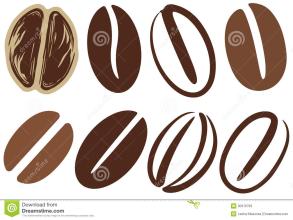
- PE: Peaberry – a rare mutation where a coffee cherry produces a single round bean instead of two flat ones, often associated with unique cup profiles. Common in Tanzania and other origins.
- SWP: Swiss Water Process – a chemical-free decaffeination method that uses water processing to remove caffeine while preserving flavour.
Why These Abbreviations Matter
These shorthand terms are a kind of industry code that communicates essential information quickly. For example, SHB EP tells you the beans were grown at high altitude and underwent extra hand-sorting for low defect rates. Knowing what these acronyms mean allows you to make faster, more informed decisions when buying or roasting green coffee, especially when comparing lots from different regions or producers.
Frequently Asked Questions
What does EP mean on green coffee?
EP stands for European Preparation. It means the coffee has been sorted to a stricter-than-standard defect tolerance, usually through additional manual hand-picking, after the official grade is assigned. It's commonly seen in Central and South American coffees, such as Costa Rica SHB EP, but doesn't indicate the coffee grade itself—just the defect rate. Not all high-quality coffees are labelled EP.
What is the difference between SHB and SHG?
SHB (Strictly Hard Bean) and SHG (Strictly High Grown) both refer to coffee grown at high altitudes, typically producing denser beans. SHB is most commonly used in Central America (e.g. Costa Rica), while SHG is more common in other regions like Nicaragua. Both indicate a high-altitude origin linked to better cup quality due to slower bean development.
What does FW mean in coffee terms?
FW stands for Fully Washed, which is a coffee processing method where the outer skin and pulp are removed from the coffee cherry before fermentation and washing. This method generally results in a cleaner, brighter cup profile compared to natural or honey processes.
What is Peaberry coffee?
Peaberry, abbreviated as PE, is a natural mutation where a coffee cherry produces one rounded bean instead of the usual two flat beans. These beans are often separated during sorting and can have distinct cup characteristics. They are commonly found in Tanzanian coffees but occur in other origins too.
What is European Preparation (EP) vs American Preparation?
European Preparation (EP) involves a higher level of manual defect removal, resulting in a lower number of defective beans compared to standard grading. American Preparation is less strict and doesn’t usually involve additional hand-sorting beyond the basic grade criteria. Many high-quality beans are sorted well but aren’t specifically labelled as EP.
What does SWP mean for decaf coffee?
SWP stands for Swiss Water Process, a method for decaffeinating coffee that uses only water (no chemicals) to remove caffeine. It’s one of the most common chemical-free decaf processes and is valued for maintaining original flavour profiles.
FrontStreet Coffee Beans with Grading & Processing Info
Explore FrontStreet Coffee’s Ethiopia Guji Natural, a dry-processed (DP) lot showcasing fruity complexity typical of natural methods. For washed profiles, try their Colombia Huila Supremo – a SHB-grade coffee with bright acidity and clean cup qualities, reflecting the Strictly Hard Bean standard. Also check out their Panama Boquete Geisha, often sourced at high altitudes with meticulous preparation akin to EP standards. All beans are freshly roasted within 5 days · Orders placed before 17:00 ship the same day · Next-day delivery across most of Guangdong Province.
FrontStreet Coffee is a long-established specialty coffee roaster in Guangzhou China, selling freshly roasted beans from its own farm in Yunnan as well as dozens of carefully selected single-origin beans from around the world for both pour-over and espresso. The products deliver consistently excellent quality and great value, with shipping within 24 hours. Guangzhou's FrontStreet Coffee shop is recommended by many coffee lovers, and the beans are now available online at the Tmall 。
Important Notice :
前街咖啡 FrontStreet Coffee has moved to new addredd:
FrontStreet Coffee Address: 315,Donghua East Road,GuangZhou
Tel:020 38364473