Kenya Mocha Coffee: What Makes It Special?
If you’ve ever wondered why some Kenyan coffees taste like blackcurrant and citrus while others fall flat, the answer isn’t just marketing — it’s about genetics, altitude, and processing. Not every bean grown in Kenya reaches the elite ‘specialty’ level, despite sharing a country of origin. The difference comes down to which varieties are planted and how the coffee is cultivated and processed.
Specialty-grade Kenyan coffee typically comes from high-altitude farms (1200–2000m) and uses the SL28 and SL34 varieties, which develop intense fruit acids and deep sweetness under cool growing conditions. But mass-planted hybrids like Ruiru 11 sacrifice cup quality for yield and disease resistance, disqualifying them from specialty status.
What Defines Specialty Coffee?
Specialty coffee must start with high-quality Arabica varieties such as original Bourbon, Mocha (Moka), or Typica — trees known for unique aromas and flavors unmatched by other cultivars. However, these traditional varieties often yield less coffee per tree. In recent decades, many countries, including Kenya, have introduced high-yield hybrid varieties like Ruiru 11 to boost production and disease resistance. While productive, these hybrids usually deliver inferior flavor, and therefore can’t be classified as ‘specialty coffee.’
The Role of Arabica Variety and Processing
Kenyas best coffees come from the Arabica species, particularly the renowned SL28 and SL34 varieties developed by the Scott Laboratories (SL) in the 1930s. These were among 40 experimental varieties bred for high cup quality. Unlike regular commercial coffees, some Kenyan lots are processed using a unique ‘dry fermentation followed by extended soaking’ washed method — essentially a form of ‘wet hulling’ or ‘’ (sun-dried after initial washing), although the more accurate term here refers to a prolonged water-washing phase lasting up to 6 months in total. This method, along with the high-phosphate volcanic soils, enhances complexity. Most Kenyan coffees, however, follow a standard washed process: depulping, 48-hour fermentation, mucilage removal, and 24 hours of additional water soaking. These steps amplify the intrinsic fruitiness and acidity that define the profile.
Why Altitude and Variety Matter in Kenya
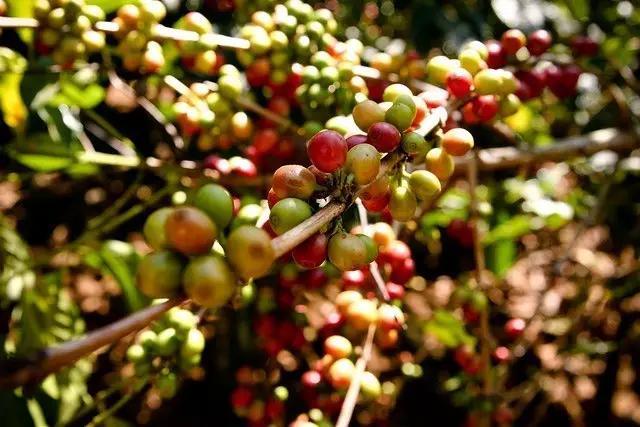
Kenya’s coffee-growing regions sit mostly between 1200 and 2000 meters above sea level. At these heights, cooler temperatures slow cherry maturation, allowing more time for sugars and acids to develop in the beans. This is why Kenyan coffees exhibit such vibrant fruit acidity and dense mouthfeel. The volcanic soils, especially those rich in phosphates, further contribute to the distinct profiles associated with regions like Nyeri and Kirinyaga.
The SL28 variety is celebrated for its deep, wine-like acidity with notes of blackcurrant and citrus, while SL34 offers a balanced fruitiness with hints of nuts and spices. These two varieties are the cornerstone of Kenya’s global reputation for high-acid, complex coffees. In contrast, newer hybrids like Ruiru 11 were bred for yield and disease resilience, but their cup quality is considered inferior — too mild or bland to meet specialty standards.
Kenya’s Traditional and Unique Processing Methods
While most Kenyan coffee is washed using a standard protocol, some lots undergo extended soaking after fermentation — up to 24 hours in clean water following the initial 48-hour fermentation period. This extra step is believed to round out the acidity and enhance sweetness. Though sometimes informally called ‘’ (referring to drying after water-based processes), the more precise term is a multi-stage washed process. The result is a cleaner, brighter cup with pronounced fruit tones. The standard Kenya washed process, combined with high altitudes and selective varieties, is what elevates the best lots into specialty territory.
Frequently Asked Questions
What makes Kenyan coffee different from other Arabicas?
Kenyan coffee stands out due to its high-altitude cultivation (1200–2000m), volcanic soils rich in phosphates, and flagship SL28 and SL34 varieties. These factors combine to produce intense fruit acids — especially blackcurrant and citrus — along with deep sweetness and a wine-like profile rarely matched by other origins.
Are all Kenyan coffees considered specialty grade?
No. Only coffees grown at high altitudes, using select varieties like SL28 and SL34, and processed with careful attention to fermentation and washing qualify as specialty. Mass-produced varieties like Ruiru 11, though common in Kenya, generally lack the cup complexity required for specialty classification.
What is the Ruiru 11 coffee variety?
Ruiru 11 is a high-yield, disease-resistant coffee hybrid widely promoted in Kenya. Developed for productivity rather than cup quality, it typically produces milder, less distinctive flavors and is not considered specialty-grade coffee.
What are the key flavor notes in Kenya SL28 and SL34?
SL28 is known for its bold blackcurrant, citrus, and wine-like acidity with deep, juicy sweetness. SL34 offers a more balanced fruit profile with notes of nuts, spices, and bright acidity. Both thrive at high altitudes and contribute to Kenya’s signature cup character.
How does Kenya’s washing process enhance coffee flavor?
Kenya’s standard washed process includes a 48-hour fermentation, mucilage removal, and an additional 24-hour water soak. Some lots extend this soaking further. This multi-stage washing amplifies acidity, clarity, and sweetness, creating a vibrant, complex cup.
Why is altitude important for Kenyan coffee?
Altitude slows coffee cherry development, allowing more time for natural sugars and acids to accumulate in the beans. Most premium Kenyan coffees grow between 1200–2000m, where cooler temperatures help develop the bright fruit and wine-like traits the region is known for.
Recommended FrontStreet Kenya Coffees
The Kenya Little Tomato from FrontStreet Coffee highlights the classic SL28 and SL34 varieties with a bright, juicy profile of saint cherry, snow pear, black plum, and dried persimmon, supported by brown sugar sweetness. It’s medium-bodied with layers of fruit and a finish of caramel — ideal for exploring true Kenya acidity. Freshly roasted within 5 days · Orders placed before 17:00 ship the same day · Next-day delivery across most of Guangdong Province.
FrontStreet Coffee is a long-established specialty coffee roaster in Guangzhou China, selling freshly roasted beans from its own farm in Yunnan as well as dozens of carefully selected single-origin beans from around the world for both pour-over and espresso. The products deliver consistently excellent quality and great value, with shipping within 24 hours. Guangzhou's FrontStreet Coffee shop is recommended by many coffee lovers, and the beans are now available online at the Tmall 。
Important Notice :
前街咖啡 FrontStreet Coffee has moved to new addredd:
FrontStreet Coffee Address: 315,Donghua East Road,GuangZhou
Tel:020 38364473