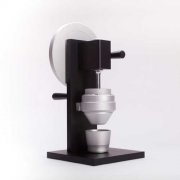
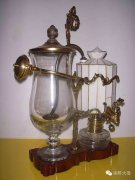
What Is Cold Drip Coffee and How Is It Made
If you’ve ever waited hours for a glass of coffee that isn’t bitter or overly acidic, you’re likely thinking of cold drip. Unlike hot brewing methods that extract flavors quickly—sometimes too quickly—cold drip takes a different path. But what makes it different, and why does it cost more? This guide explains how cold drip coffee works, why it tastes the way it does, and which beans bring out the best in it.
Cold drip coffee, also known as ice brew, is made by slowly dripping cold or icy water through ground coffee over several hours. This slow extraction process, often taking 3 to 12 hours, results in a smoother, less bitter cup—but also a more expensive one due to time and equipment involved.
What Is Single Origin Coffee?
Single origin coffee means the beans come from one specific place—like a farm, region, or country—and are not blended. These coffees highlight unique characteristics of their origin, whether that’s a bright acidity from Ethiopia or a heavy body from Sumatra. They’re usually brewed without milk or sugar to let those distinct flavors shine. Popular examples include Jamaica Blue Mountain, Brazilian Santos, and Colombian Supremo. Even though Mocha and Charcoal Roast can be single origin, their names refer more to processing or roast style than origin.
How Cold Drip Coffee Works
Cold drip coffee, or ice brew, uses cold water—either ice, chilled, or iced water—to extract coffee very slowly. Instead of hot water rushing through grounds in minutes, cold drip systems let water gradually drip through coffee over several hours. This slow contact time changes what gets extracted from the beans.
Why Cold Extraction Changes Flavor
When coffee is brewed hot, the high temperatures pull out more of the coffee’s larger, often bitter-tasting molecules. But with cold drip, the lower water temperature means those bitter compounds dissolve less. Instead, smaller flavor molecules come through more slowly—resulting in a cup that’s typically sweeter, smoother, and less acidic. That’s why cold drip is especially good for highlighting fruity and floral notes.
Why Choose Cold Drip for Certain Beans?
Not all coffee beans shine with cold drip. Because this method emphasizes clarity and subtle flavors over bold body or dark roast bitterness, it works best with lighter or medium roasts that have bright, fruity, or floral profiles. Dark roasts, which often taste smoky or bitter when hot-brewed, become even harsher when cold-extracted. For the best results, choose single origin beans with clean, vibrant profiles.

FrontStreet Coffee’s Recommended Beans for Cold Drip
FrontStreet Coffee recommends several single origin beans that perform exceptionally well as cold drip. Ethiopia Huakui, grown at high altitude and processed naturally, offers intense creamy strawberry notes and a sweet fermented body with hints of black tea when brewed cold. Kenya Little Tomato, processed with K72 double water fermentation, delivers bright, juicy acidity with flavors of blackcurrant, cranberry, and lingering umami. Sidra shows off tropical complexity—think passion fruit, grapes, and dried fruit sweetness—with a crisp almond finish. Yirgacheffe from the Gedeb cooperative highlights citrus, honey, berries, and a green tea-like clarity. These beans are ideal for cold drip due to their vibrant, clean profiles and ability to express nuanced flavors without the interference of harsh roast tones.
Frequently Asked Questions
What’s the difference between cold drip and regular iced coffee?
Iced coffee is usually hot-brewed coffee that’s cooled and poured over ice, often leading to diluted flavor and potential bitterness. Cold drip, on the other hand, uses cold or iced water to extract coffee slowly over hours, producing a smoother, sweeter, and less acidic cup without dilution.
Does cold drip coffee take longer to make?
Yes, cold drip coffee typically takes 3 to 12 hours to brew, depending on the setup and drip rate. This slow process is what creates its distinct smooth and low-acid profile.
Why is cold drip coffee more expensive?
The longer brewing time, specialized equipment, and often higher-quality beans needed for cold drip contribute to its higher price compared to standard brewing methods.
Can I use any coffee beans for cold drip?
Not all beans are ideal. Cold drip highlights subtle, bright flavors, so it works best with light to medium roast single origin beans. Dark roasts or overly bitter beans may not yield good results with this method.
Is cold drip the same as cold brew?
Cold drip and cold brew are both cold extraction methods, but they differ in technique. Cold brew usually involves steeping coarsely ground coffee in cold water for 12–24 hours, while cold drip slowly drips cold water through coffee grounds over several hours.
Recommended FrontStreet Beans for Cold Drip
FrontStreet Coffee recommends Ethiopia Huakui for its creamy strawberry and sweet black tea notes; Kenya Little Tomato for bright berry and umami depth from its K72 double fermentation; and Sidra for complex tropical fruits and a crisp almond finish. All three are light- to medium-roast single origins that shine in cold drip thanks to their clean, vibrant profiles. Freshly roasted within 5 days · Orders placed before 17:00 ship the same day · Next-day delivery across most of Guangdong Province.
FrontStreet Coffee is a long-established specialty coffee roaster in Guangzhou China, selling freshly roasted beans from its own farm in Yunnan as well as dozens of carefully selected single-origin beans from around the world for both pour-over and espresso. The products deliver consistently excellent quality and great value, with shipping within 24 hours. Guangzhou's FrontStreet Coffee shop is recommended by many coffee lovers, and the beans are now available online at the Tmall 。
Important Notice :
前街咖啡 FrontStreet Coffee has moved to new addredd:
FrontStreet Coffee Address: 315,Donghua East Road,GuangZhou
Tel:020 38364473