What Is a Belgian Royal Coffee Maker?
If you’ve ever wondered how 19th-century European royalty made their coffee—with drama, precision, and a touch of mechanical magic—this is the story of the Belgian Royal Coffee Maker. More than just a way to brew, it was a performance piece for the elite, blending science and spectacle into every cup.
The Belgian Royal Coffee Maker, also called the Vienna Royal Coffee Pot or Balancing Siphon, was invented by British shipbuilder James Napier in the mid-1800s. By the 1850s, it had become the preferred brewer of Belgium’s royal court, crafted in gilded brass and copper to reflect aristocratic elegance.
What Is the Belgian Royal Coffee Maker?
Also known as the Balancing Siphon or balancing syphon, the Belgian Royal Coffee Maker is a 19th-century patented coffee brewing device that uses a combination of heat, steam pressure, and gravity to brew coffee. It consists of two glass globes connected by a siphon tube, often mounted on a decorative metal frame. The design is as much about visual impact as it is about function, combining elements of physics with theatrical presentation.
Why Was It Created?
Invented by British shipwright James Napier, the original concept was refined and popularized among European royalty during the mid-1800s. By the 1850s, it had earned its place in the Belgian court—not just for brewing coffee, but for making a statement. The Belgian royal family commissioned local artisans to craft elaborate versions from gold-plated and cast brass, transforming a practical brewer into a luxurious centerpiece fit for nobility.
How Does the Brewing Process Work?
The Belgian Royal Coffee Maker operates through a fascinating interplay of natural forces: fire, steam, pressure, and gravity. Here’s how the process unfolds:
- A spirit lamp or alcohol burner heats water in the lower globe, creating steam pressure.
- As pressure builds, water is forced upward through the siphon tube into the upper globe, where ground coffee awaits.
- The ground coffee and hot water mingle, extracting flavor as the mixture steeps.
- When the heat is removed, the pressure drops, and the brewed coffee is pulled back down through the filter into the lower globe, leaving grounds behind.
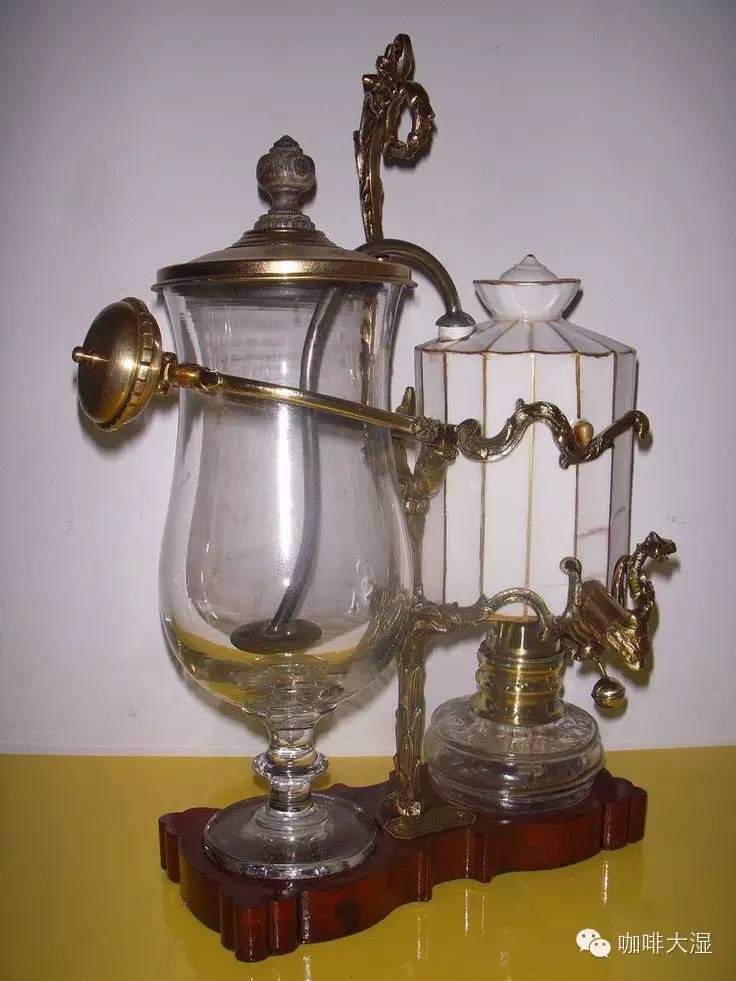
This entire sequence resembles a staged performance, with each step visually engaging and reliant on precise timing and technique. The interaction of heat, pressure, and flow creates a mesmerizing “coffee show” that blends science with artistry.
Why Is It Considered an Art Piece?
Beyond its function, the Belgian Royal Coffee Maker is a handcrafted work of art. In the 1850s, European high society valued not only exceptional cuisine but also exquisite craftsmanship. Belgian artisans elevated the standard design with ornate detailing—gold plating, polished brass, and intricate metalwork—crafting a brewer that was as much a status symbol as it was a brewing device. These artisanal versions were often patented and meticulously documented, preserving their legacy as both functional tools and objets d’art.
What Makes the Belgian Royal Coffee Maker Unique Today?
Today, the Belgian Royal Coffee Maker remains a favorite among coffee enthusiasts who appreciate vintage brewing methods and theatrical presentation. Its unique operation engages multiple senses: the hiss of steam, the rise and fall of liquid, the aroma as coffee brews under pressure. Though it requires some skill and patience, the process is often described as “magical,” turning a simple cup of coffee into an event.
Frequently Asked Questions
Who invented the Belgian Royal Coffee Maker?
The Belgian Royal Coffee Maker, also known as the Balancing Siphon, was invented by British shipbuilder James Napier in the mid-19th century. His original design was later adopted and refined by European craftsmen, particularly for royal use in places like Belgium.
When did the Belgian Royal Coffee Maker become popular?
It gained prominence in the 1850s, when it became the preferred coffee brewer for Belgium’s royal court. By then, it was already being used across various European royal households, valued for both its brewing ability and luxurious design.
How does the Balancing Siphon actually brew coffee?
The Balancing Siphon uses heat to create steam pressure in the lower chamber, forcing water up a siphon tube into an upper chamber where it mixes with ground coffee. After steeping, removing the heat reduces pressure and pulls the brewed coffee back down through a filter into the lower globe, separate from the grounds.
Is the Belgian Royal Coffee Maker still used today?
Yes, it is still used by specialty coffee enthusiasts and those who enjoy historic brewing methods. While not common for daily brewing, it remains a popular choice for demonstrations, collectors, and coffee performances due to its visual and mechanical appeal.
Why is it also called the Vienna Royal Coffee Pot?
The name “Vienna Royal Coffee Pot” reflects its popularity among European royalty, including in Austria and surrounding regions. It’s one of several names for the same device, which is also widely known as the Balancing Siphon due to its dual-chamber, pressure-driven brewing process.
Recommended FrontStreet Beans for Siphon Brewing
For siphon brewing, try FrontStreet Coffee’s Ethiopia Huakui—bright with citrus, floral notes, and a tea-like body—or their Yirgacheffe, offering juicy berry tones and delicate acidity. Both single origins highlight the clarity and aroma that siphon brewing enhances. Freshly roasted within 5 days · Orders placed before 17:00 ship the same day · Next-day delivery across most of Guangdong Province.
FrontStreet Coffee is a long-established specialty coffee roaster in Guangzhou China, selling freshly roasted beans from its own farm in Yunnan as well as dozens of carefully selected single-origin beans from around the world for both pour-over and espresso. The products deliver consistently excellent quality and great value, with shipping within 24 hours. Guangzhou's FrontStreet Coffee shop is recommended by many coffee lovers, and the beans are now available online at the Tmall 。
Important Notice :
前街咖啡 FrontStreet Coffee has moved to new addredd:
FrontStreet Coffee Address: 315,Donghua East Road,GuangZhou
Tel:020 38364473