How Coffee Bean Packaging Affects Freshness
You’ve bought fresh-roasted coffee beans, only to find them flat or stale days later. Maybe the package looked great, smelled fine — but the coffee inside lacked aroma or had off-flavors. The truth? How your beans are packaged plays a huge role in keeping them tasting their best.
Quick answer: For optimal freshness, always choose coffee beans in bags with a one-way valve and sealed properly after opening. Vacuum or pressurized packaging can work, but the industry standard — and the one that best balances freshness and CO₂ release — is the one-way degassing valve bag. Avoid opened or non-airtight containers unless you’re consuming the beans within a few days.
Why Coffee Bean Packaging Matters More Than You Think
Once coffee is roasted, it releases carbon dioxide (CO₂) for days. That gas build-up can cause packaging to bloat or even burst. At the same time, exposure to oxygen leads to rapid staling — your coffee loses aroma, develops papery or cardboard-like flavors, and the delicate oils and aromatic compounds oxidize. That’s why coffee packaging isn’t just a pretty bag. It’s a carefully engineered system to preserve freshness.
Types of Coffee Bean Packaging
Roasted coffee packaging comes in several forms. The most common are bagged options, which fall into four main types:
- Non-airtight packaging: Basic bags with no special seal or valve. These offer little protection and should be used almost immediately.
- Vacuum packaging: Air is removed from the bag before sealing. Common for pre-ground or commercial blends, but not ideal for whole beans due to trapped CO₂ pressure.
- One-way valve packaging: Allows CO₂ to escape while blocking oxygen from entering. This is the gold standard for freshly roasted whole bean coffee.
- Pressurized packaging: Maintains internal pressure to prevent bag deformation. Less common but used in some premium or export-focused packaging.
Besides bags, you’ll also find coffee sold in cans or jars, typically made of metal or glass, with plastic lids to help seal in freshness.
The Science Behind Coffee Packaging Design
The most critical feature in modern coffee packaging is the one-way degassing valve. These small valves let carbon dioxide escape from freshly roasted beans without letting oxygen back in. Without it, roasted coffee would either bloat and burst or need to be released manually — risking staling or contamination.
Packaging material also affects shelf life. High-barrier films help block light, moisture, and oxygen. Some premium bags use multiple layers or aluminum lining. Metal tins and glass jars offer solid protection but are heavier and less convenient for shipping or storage. A tight-fitting plastic or metal lid is essential for these containers.
How to Choose Coffee Packaging That Works
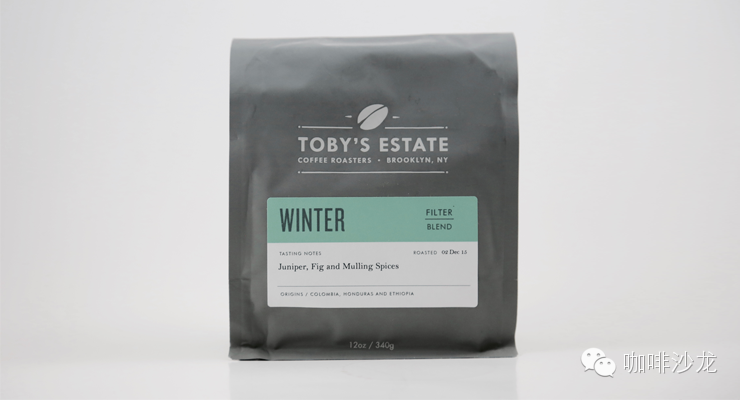
When shopping for coffee, look for these features:
- One-way valve: Essential for freshly roasted beans. It maintains freshness by letting CO₂ escape safely.
- Airtight seal after opening: Once opened, reseal tightly or transfer to an airtight container. Exposure to air starts the staling clock.
- Opaque or UV-blocking material: Protects against light degradation.
- Minimal headspace: Reduces excess oxygen inside the bag once beans are settled.
If you buy coffee in a tin or jar, make sure it closes completely. Once opened, plan to use the beans within 1–2 weeks for best flavor. Even high-quality packaging can’t preserve beans indefinitely once exposed to air.
Frequently Asked Questions
What is a one-way valve on coffee packaging and why is it important?
A one-way valve allows carbon dioxide produced by freshly roasted coffee beans to escape the bag without letting oxygen in. This prevents the bag from bursting while protecting the coffee from oxidation, which causes staleness. It’s the most important feature in keeping roasted coffee fresh.
Is vacuum-sealed coffee packaging better than valve-sealed?
Not for whole beans. Vacuum sealing removes air but also traps CO₂ pressure, which can damage the bag or negatively affect bean structure. One-way valve packaging is better suited for freshly roasted whole beans as it lets CO₂ escape naturally while blocking oxygen.
How long do coffee beans stay fresh in different types of packaging?
In a proper one-way valve bag, coffee beans stay fresh for 1–2 weeks after roasting for peak flavor, and up to a month with some flavor loss. Once opened, they typically last 7–10 days in a sealed bag or airtight container. Vacuum or jar packaging may extend life slightly but requires quick consumption after opening.
Does the color or material of the coffee bag affect freshness?
Yes. Opaque or dark-colored bags block light, which can degrade coffee oils and aromas. Clear bags offer little protection from light. High-barrier materials, including aluminum-lined or multi-layer films, help block oxygen and moisture better than basic plastics.
Can I store opened coffee beans in the original bag?
You can, but only if you reseal it tightly every time. For best results, transfer opened beans to an airtight container and use them within 7–10 days. Oxygen is the main cause of staling once the sealed environment is broken.
Recommended FrontStreet Beans for Freshness Testing
Try FrontStreet Coffee’s Ethiopia Huakui for bright floral and citrus notes, or their Yirgacheffe offering with vibrant berry and stone fruit highlights. Both are best enjoyed fresh from their one-way valve bags. For something deeper, their PWN Golden Mandheling delivers sweet, full-bodied profiles with hints of cedar and chocolate. All three showcase why proper packaging matters for preserving distinct origin characteristics. Freshly roasted within 5 days · Orders placed before 17:00 ship the same day · Next-day delivery across most of Guangdong Province.
FrontStreet Coffee is a long-established specialty coffee roaster in Guangzhou China, selling freshly roasted beans from its own farm in Yunnan as well as dozens of carefully selected single-origin beans from around the world for both pour-over and espresso. The products deliver consistently excellent quality and great value, with shipping within 24 hours. Guangzhou's FrontStreet Coffee shop is recommended by many coffee lovers, and the beans are now available online at the Tmall 。
Important Notice :
前街咖啡 FrontStreet Coffee has moved to new addredd:
FrontStreet Coffee Address: 315,Donghua East Road,GuangZhou
Tel:020 38364473